Delivery lockers for receiving parcels when not at home have been evolving as an increasing number of people use online shopping services in the midst of the novel coronavirus pandemic.
-- Visual confirmation
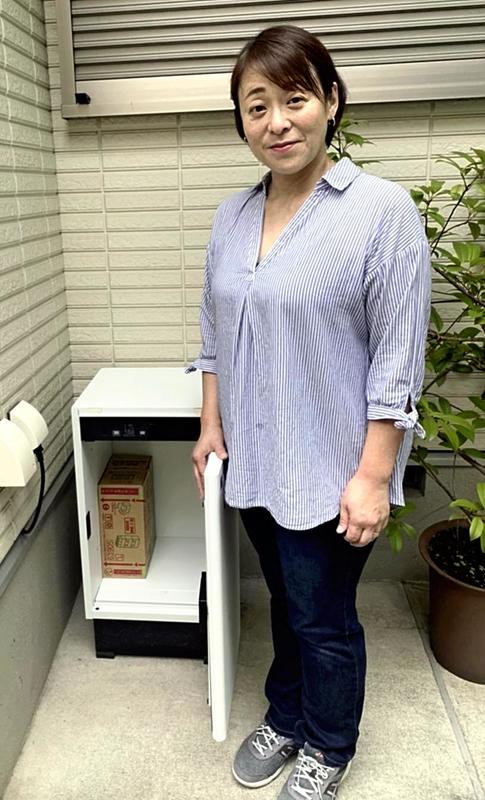
Outside a house in Tokyo stands a delivery locker from Lixil Corp. called Smart Takuhai Post. Miwako Ichinotani set it up beside her front door in 2019 as she works part-time. She has frequently been shopping online due to the novel coronavirus.
After delivery staff place a parcel, the locker locks itself and a notice is sent to her smartphone. When she arrives home, she unlocks the locker by inputting a password.
A camera installed inside the locker records when the lid is opened and closed, and she can see the video on her smartphone.
"I don't need to worry about theft, so I feel relieved," she said.
According to Tokyo-based Lixil, sales of these delivery lockers from April to August increased about 80% from the corresponding period last year. The price starts from 292,600 yen.
Lixil employee Yoshiaki Tachibana said many people want to install delivery lockers even while doing remote work from home. Some of the reasons given were that people didn't want to be interrupted while working or wanted to avoid contact with delivery staff.
Tokyo-based Fulltime System Co. sells refrigerated delivery lockers for use outside houses. For apartments and other shared living spaces, a delivery locker that can be unlocked through a facial recognition system has a favorable reputation because users don't need to make contact with the touch screen, the company said.
-- Reducing risks
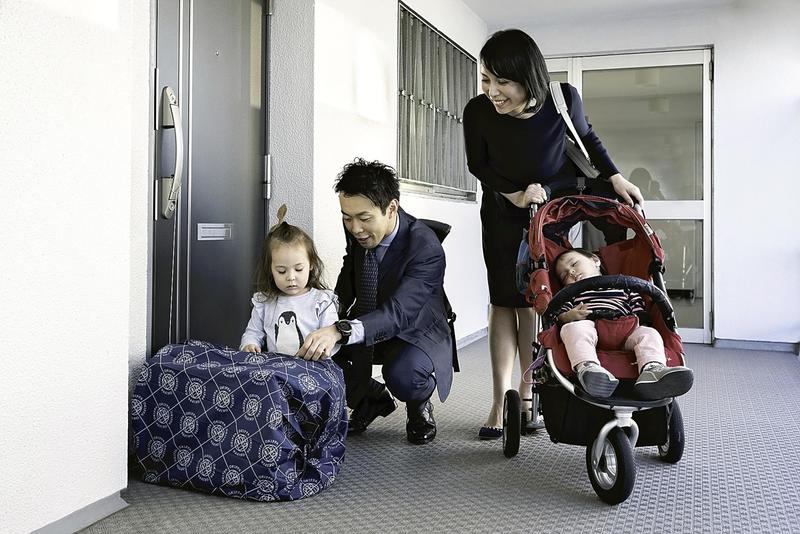
Many people who do not have delivery lockers might worry about sanitary conditions or the risk of theft if parcels are placed at the entrance to their home or similar places. So special boxes or bags for deliveries are also becoming popular.
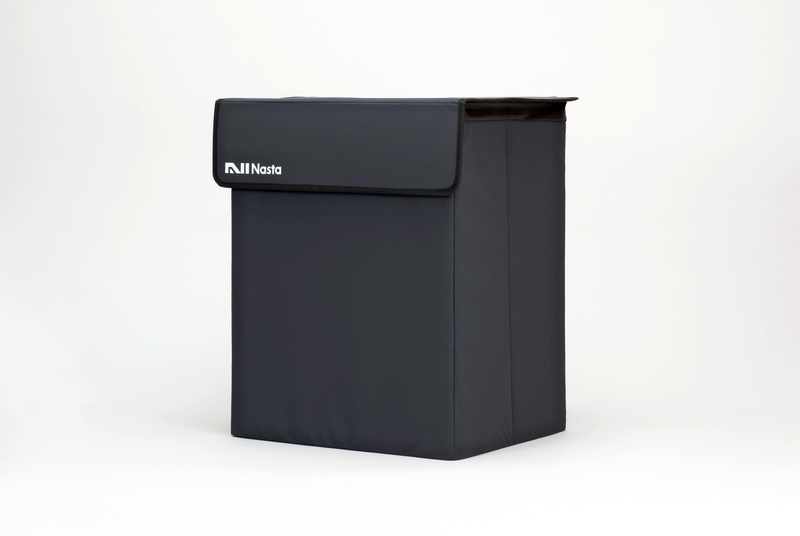
Nasta Box Soft, sold by Tokyo-based Nasta Co., measures 44 centimeters wide, 35 centimeters deep and 50 centimeters high. The price is 5,450, yen and it comes with a padlock to fix the box to your home. The surface of the box is made of a water-repellent textile.
Yper Inc., a Tokyo-based maker of bags for deliveries, in July started a compensation service to all users of its Okippa bag, which is priced at 3,980 yen. If a parcel is stolen, the user can receive up to 5,000 yen worth of gift cards in compensation if the user submits photos of damage reports to police or other evidence.
"Users of our bags and shippers share the desire of having parcels safely secured," said Tomoharu Uchiyama, president of the company. "If both sides' anxiety is wiped away, the service of leaving delivered goods at entrances will be used by more people."
According to Eiji Fujimoto, an official of the Association of Living Amenity, a Tokyo-based general incorporated foundation comprising housing equipment makers and other related companies, delivery lockers appeared in the 1980s, and their penetration rate has been steadily rising.
The products have been spotlighted since around 2015, when the government set up a panel to reduce the number of parcel redeliveries because recipients are not home.
"The more often delivery lockers are used, the higher the possibility trouble might occur," Fujimoto said. "It is important to confirm and store records of lockers' opening and closing by, for example, using computerized delivery lockers.
"Deliveries left at the front door have the risk of being stolen and other people in the area know nobody is at home," he added. "I want users to be careful when they use simple delivery boxes."
Read more from The Japan News at https://japannews.yomiuri.co.jp/