Introduction to Home Battery Backup
Nobody thinks about electricity till it is long gone.
And then suddenly it's all you consider the refrigerator buzzing down, the router blinking off, the children asking why the TV stopped. I've been there.Most people have. And the frustrating part is that outages don't warn you. They just happen.
That's the whole reason home battery backup systems exist. You store power when you have it, and use it when you don't. Simple idea. But the difference it makes during an actual blackout? Significant.
More people are installing these systems now than ever before. Partly because prices have dropped. Partly because outages have gotten more frequent. And partly because once you've sat through a 12-hour blackout, you start thinking differently about being prepared.
How a Home Battery Backup System Works
Think of it like a very massive, very successful power financial institution, the identical idea as what you use in your smartphone, just scaled up dramatically.
When strength is flowing usually, the battery prices. Grid power, sun panels, would not matter; it takes what is to be had and shops it. Then while the power cuts out, the gadget kicks in and starts off, imparting your house from what it saved.
The part people do not expect is how automatic it is. There's no transfer to flip, no button to press. The machine notices the outage generally within a fragment of a 2d and takes over. Your pc keeps walking. The router remains related. The fridge doesn't skip a beat.
That automated changeover is certainly astounding the first time you spot it. Most human beings do not even recognise the energy went out until they take a look at their cellphone and note they're no longer on grid electricity.
Key Benefits of Installing a Home Battery Backup
Let's be sincere about what simply matters right here.
The first thing is just not being stuck. No candles, no scrambling for flashlights, no watching food slowly go bad. During an outage, your home keeps functioning. That alone is worth a lot to most people.
Beyond emergencies though battery systems change how you use energy day to day. You stop pulling from the grid during peak hours when rates are highest. If you have solar, you stop selling back cheap and buying back expensive. You store what you generate and use it on your own terms.Electricity bills come down. Not always dramatically, but consistently. Over several years, that adds up to real money.
And yes there's an environmental angle too. Less grid dependence means less reliance on whatever the grid happens to be running on. For households with solar panels especially, a battery system turns intermittent renewable energy into something you can actually count on.
Types of Home Battery Backup Systems
Three types worth knowing about and I'll be direct about which one most people should probably choose.
Lithium-ion batteries are the current standard for residential use. They're compact, they last a long time, they charge fast, and they've been refined enough over the past decade that the reliability is genuinely good. Most of the famous structures on the market use lithium-ion for a cause.
Lead-acid batteries are older generation. Cheaper upfront, however heavier, bulkier, and they need extra maintenance.Shorter lifespan too. There are situations where they make sense, tight budget, specific installation requirements but for most homeowners, the trade-offs aren't worth it.
Saltwater batteries are newer and interesting. No toxic materials, better environmental profile, safer to dispose of. Still not widely available and more expensive than lithium. Worth watching as the technology matures.
Straightforward recommendation: lithium-ion for most people, most situations.
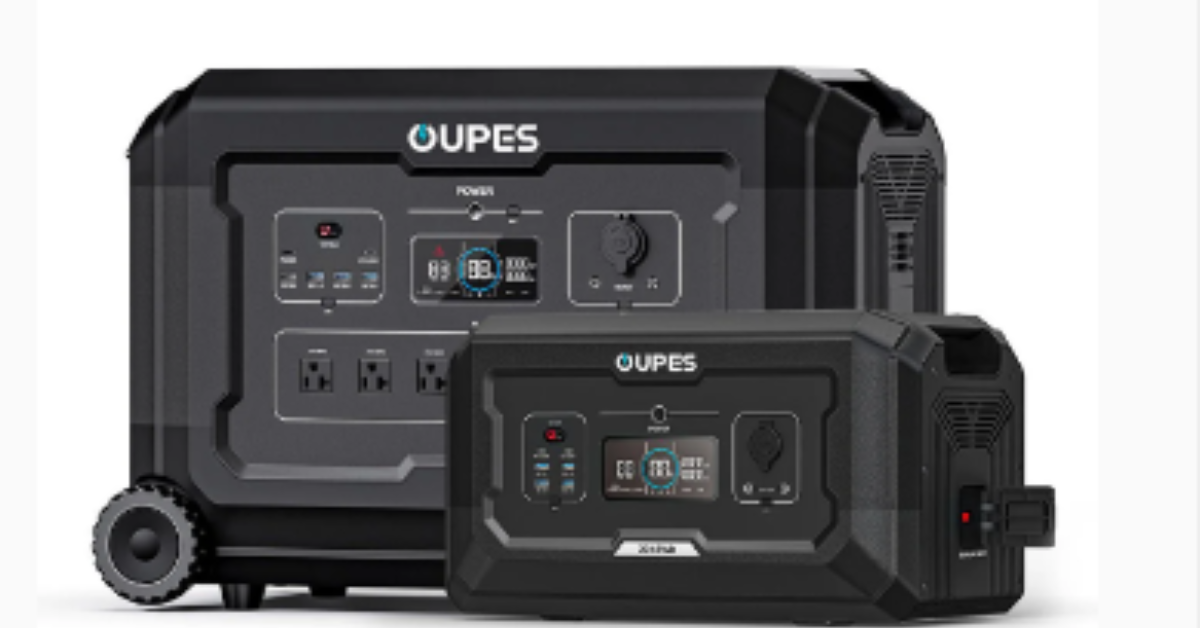
If you're not ready to commit to a full home installation just yet, a portable power station is honestly a decent place to start. I've seen people use them for camping trips, garage setups, even just keeping a lamp and phone charger running during a short outage and they hold up surprisingly well for the price. It's not a permanent fix, but as a first step toward understanding how battery backup actually works in real life, a portable power station gives you that hands-on experience without the upfront cost of a whole-home system.
Choosing the Right Home Battery Backup
A few things actually matter when you're comparing systems and a few things that sound important actually aren't.
Capacity is real This is measured in kilowatt-hours and tells you how much electricity the battery holds.More capacity means longer runtime at some point of an outage. Figure out which home equipment you need jogging and for a way lengthy that math will inform you roughly what length you need.
Power output is separate from capacity. Capacity is the tank size. Power output is how fast you can draw from it. A battery might store plenty of energy but struggle to run multiple heavy appliances simultaneously if the output rating is too low.
Solar compatibility if there's any chance you'll add panels within the next five years, buy a system that supports solar integration now. Adding it later costs more and sometimes isn't even possible with certain systems.
Warranty tells you something about how much the manufacturer trusts their own product. Ten years is reasonable for lithium-ion. Less than that, ask questions.
Maintenance and Lifespan of Home Battery Systems
These systems are genuinely low maintenance which is part of why they've become popular.
Most come with apps. You open it, take a look at the charge level, see the usage history, get alerts if whatever desires interest. That's about as worried as it gets for maximum owners on an everyday foundation.Lithium-ion batteries usually hold up properly for 10 to 15 years. Not because those systems fail regularly, but due to the fact catching something small early is a lot better than handling it all through an actual outage.
Future of Home Battery Backup Technology
The direction this technology is heading is genuinely exciting.
Costs keep dropping. Capacity keeps improving. And the smart features getting built into newer systems are starting to change what "battery backup" even means.
Future systems won't just sit waiting for outages. They'll track electricity prices in real time, pre-charge when rates are low, hold back when rates spike, and adjust automatically based on weather forecasts. If a storm is coming, the system charges fully in advance. If tomorrow will be sunny and your solar will generate plenty, it holds off and saves the overnight rate instead.
That kind of intelligent energy management turns a backup system into something more like an active financial tool. The technology to do this already exists in premium systems. It'll be standard within a few years.