Starting a home-based laser engraving business is an appealing idea. With relatively compact machines, powerful design software, and a growing demand for personalized products, it feels more achievable than ever. But while some home workshops turn into reliable income streams, others stall quickly due to avoidable mistakes. The difference usually isn’t talent—it’s understanding what actually works in a home production environment and what doesn’t. Here’s a realistic breakdown to help you build a laser engraving business that’s sustainable, safe, and profitable.
What Works in Home-Based Laser Engraving Businesses?
Choosing the Right Laser Equipment
One of the smartest early decisions is selecting equipment that matches your space, materials, and goals.
For most home-based businesses, CO₂ laser machines are the most practical starting point. They handle popular materials like wood, acrylic, leather, rubber, and coated metals while remaining affordable and relatively easy to maintain. Fibre laser, while extremely powerful for metal marking, often requires higher upfront investment and is best suited to niche metal-focused operations.
What works best is choosing a laser engraver that:
- Fits your workspace without compromising ventilation or safety
- Is compatible with commonly used design software
- Has accessible support, documentation, and replacement parts
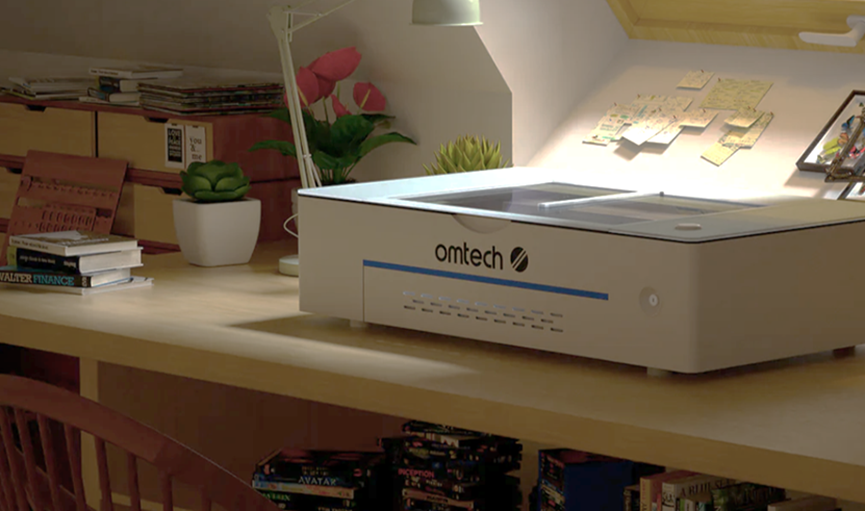
Overbuying can strain your budget, while underbuying often leads to limitations that slow growth. This is why many home-based businesses look for a balanced, reliable option—such as OMTech laser machines—which offer practical power, solid build quality, and room to grow without the cost or complexity of oversized industrial systems.
Focusing on Profitable, Practical Niches
Home-based laser businesses succeed when they lean into customization and short-run production. Products that perform well include:
- Personalized gifts and keepsakes
- Small business signage and branding items
- Home décor with custom text or graphics
- Educational tools, craft kits, and workshop supplies
Trying to compete with mass-produced items rarely works. Instead, businesses that offer fast turnaround, personal touches, and flexible customization build stronger margins and customer loyalty.
Optimizing a Home Workshop Setup
A well-organized workspace dramatically improves efficiency and safety. Successful home setups prioritize:
- Proper ventilation and fume extraction
- Adequate power supply and surge protection
- Fire prevention tools and clear material storage
- Logical workflow from design to finishing
Even small garages or spare rooms can work well when everything has a defined place. Clean layouts reduce setup time, minimize errors, and make daily production more enjoyable.
Pricing for Sustainability
One of the biggest factors separating successful businesses from struggling ones is pricing discipline.
What works is pricing that accounts for:
- Materials and consumables
- Machine time and electricity
- Design, setup, and finishing labor
- Maintenance and long-term wear
Custom laser engraving isn’t just about machine time—it’s about expertise. Businesses that price based on value rather than speed alone tend to last longer and attract better clients.
Smart Marketing Strategies
Effective marketing doesn’t require a massive budget. What works especially well for home-based laser businesses includes:
- Selling on platforms like Etsy or a small Shopify store
- Showing behind-the-scenes process on social media
- Posting real examples of customization and testing
- Collecting reviews and repeat customers
Customers love seeing how products are made. Demonstrating craftsmanship builds trust faster than polished ads alone.
What Doesn’t Work: Common Mistakes to Avoid
Trying to Compete on Price Alone
Low pricing may attract attention, but it rarely leads to long-term success. Hidden costs—time, revisions, machine wear—quickly eat into margins. Businesses that race to the bottom often burn out before they scale.
Ignoring Material Testing and Quality Control
Inconsistent engraving results damage credibility fast. Skipping test cuts, switching suppliers without testing, or rushing jobs leads to avoidable mistakes. Reliable businesses treat testing as part of the process, not an inconvenience.
Underestimating Time and Labor
Laser engraving involves far more than pressing “start.” Design changes, customer communication, setup, cleanup, and finishing all add up. Businesses that don’t account for this time often feel overwhelmed, especially with fully custom orders.
Poor Safety and Compliance Practices
Inadequate ventilation, cluttered workspaces, or ignoring local regulations can shut a business down quickly. What doesn’t work is assuming a home setup doesn’t need professional safety standards—it absolutely does.
Relying on a Single Sales Channel
Depending entirely on one platform leaves businesses vulnerable to fee changes, policy updates, or algorithm shifts. The most stable operations diversify through direct sales, local partnerships, or repeat clients.
Scaling: What Works When You’re Ready to Grow
Growth doesn’t always mean more machines. Many businesses scale successfully by:
- Streamlining their most popular products
- Creating templates and jigs for repeat jobs
- Outsourcing overflow work during peak seasons
When volume consistently exceeds capacity, upgrading equipment or moving into a dedicated workspace becomes a strategic—not rushed—decision.
Tools, Materials, and Processes That Make Life Easier
Consistency is key. Reliable software, proven materials, and repeatable processes reduce stress and waste. Businesses that invest in templates, batching techniques, and standardized settings spend less time troubleshooting and more time producing.
Realistic Expectations: What Success Actually Looks Like
Most home-based laser engraving businesses start as side hustles. Profit grows gradually as skills, reputation, and efficiency improve. The most successful operators treat their shop like a business—not just a hobby—while keeping expectations grounded and goals flexible.
Conclusion: Building a Home Laser Engraving Business That Lasts
A home-based laser engraving business can absolutely work—but only when built on realistic planning, consistent quality, and smart decision-making. Choosing the right equipment, focusing on the right products, pricing fairly, and avoiding common pitfalls makes all the difference. With patience and intention, a home workshop can become more than just a creative outlet—it can grow into a reliable, rewarding business.