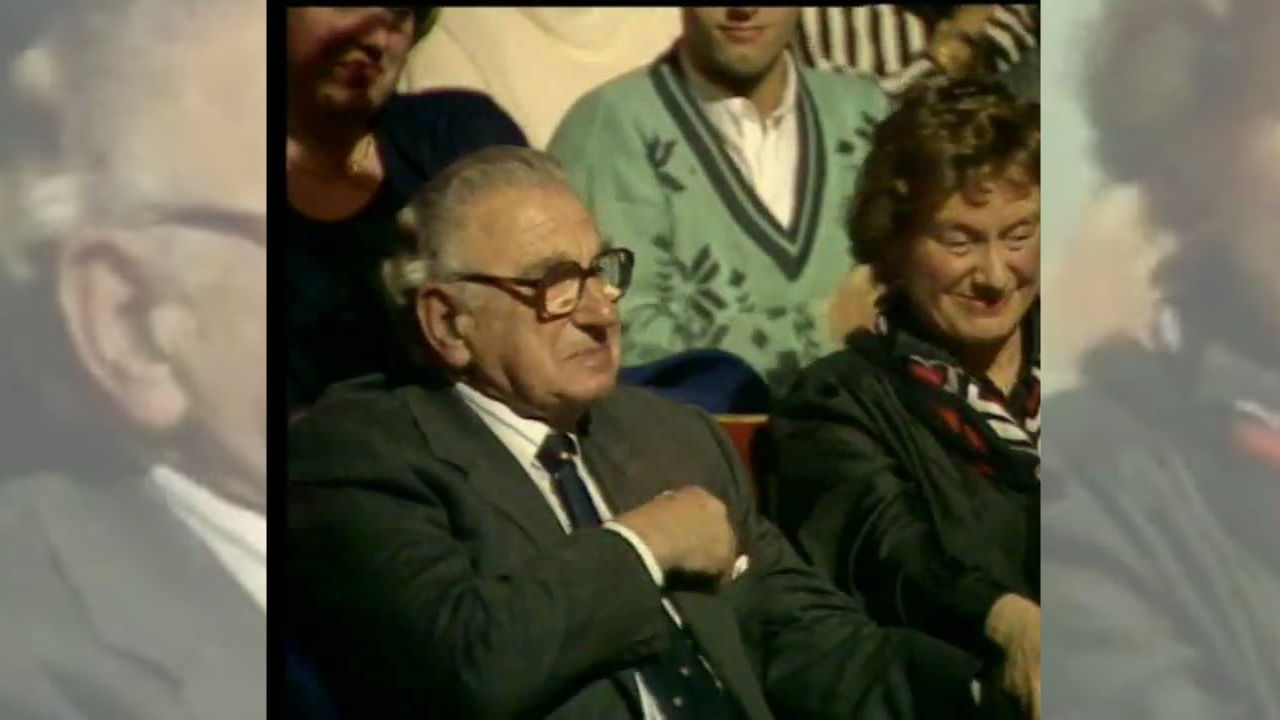
British humanitarian Nicholas Winton's decades-old television clip continues to resurface online, drawing widespread emotional responses across generations. The footage, originally broadcast on the BBC programme That’s Life! in 1988, captures the moment Winton realises that several members of the studio audience were among the 669 Jewish children he helped rescue from Nazi-occupied Czechoslovakia before the Second World War.
The clip regularly circulates on social media, particularly around Holocaust Remembrance Day or during renewed global debates on refugees and migration. Despite its age and low visual quality, the video continues to attract millions of views, comments and shares each time it reappears online.
The rescues took place against the backdrop of the Holocaust, during which Nazi Germany systematically persecuted and murdered six million Jews across Europe. In the late 1930s, Jewish families in Central and Eastern Europe faced escalating violence, discriminatory laws and mass deportations, leaving thousands of children at immediate risk as borders closed and international responses remained limited.
Historians note that Winton’s actions stand out because they occurred before the full scale of the Holocaust was widely understood. By arranging transport, visas and foster homes in Britain, he helped children escape a fate that later claimed many of their relatives. The operation highlights both the dangers faced by Jewish refugees at the time and the impact that individual intervention could have amid widespread inaction.
Winton, who died in 2015 at the age of 106, organised the rescue missions in 1938 and 1939 for children whose families faced persecution under the Nazi regime. His efforts remained largely unknown for decades and came to public attention only in the late 1980s, after his wife discovered detailed records of the rescues in their home.
The clip has also gained renewed relevance amid ongoing global conflicts and large-scale displacement, with online discussions often drawing parallels between the experiences of Jewish refugees in the 1930s and present-day debates on asylum and migration.