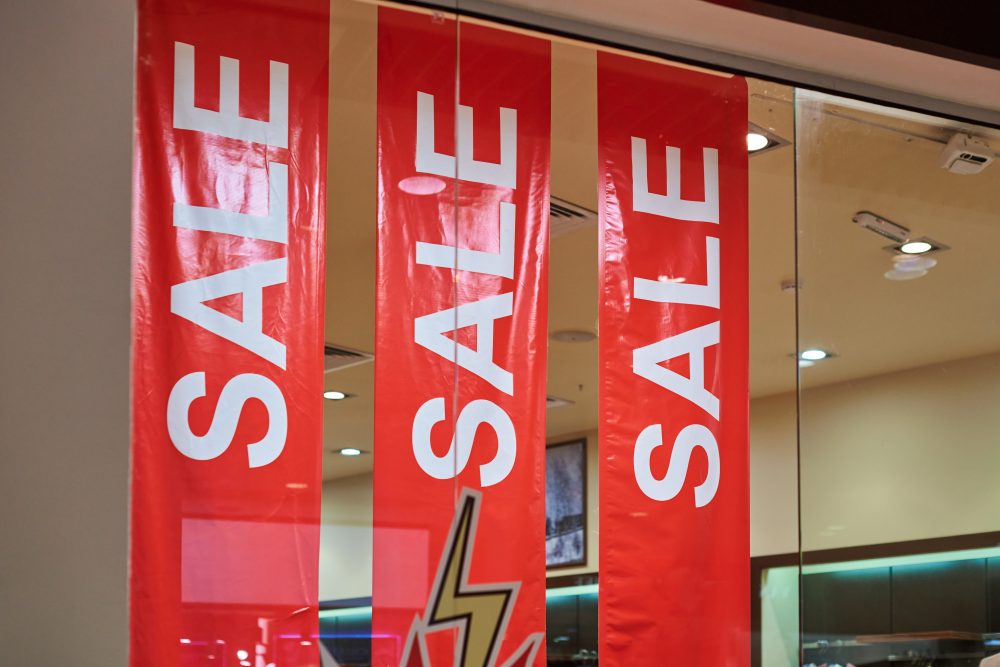
The modern grocery landscape operates at a speed that often outpaces the average consumer. In the past, a sale price printed in the Sunday circular was valid for a full week, giving shoppers ample time to plan their trip. Today, retailers utilize dynamic pricing algorithms and digital platforms to launch promotions that exist for only twenty-four to forty-eight hours. These fleeting offers create a two-tiered system where the attentive, digital-first shopper secures deep discounts while the traditional shopper pays full price, completely unaware that a better deal existed just hours before. Understanding the mechanics of these vanishing promotions is the only way to catch them before they disappear.
The 24-Hour App Exclusive
Major chains have shifted their most aggressive marketing to their mobile apps. To drive daily engagement, they run “12 Days of Deals” or similar advent-calendar-style promotions during December. These offers are typically valid for a single day. A retailer might offer a five-pound bag of flour for ninety-nine cents on a Tuesday, but by Wednesday morning, the digital coupon has expired, and the price has returned to normal. Shoppers who check the app only once a week miss the majority of these high-value, short-term drops.
The Early Bird Bakery Clearance
One of the most valuable promotions in the store is never advertised in a flyer. It is the daily clearance of baked goods. Grocery bakeries operate on strict freshness cycles. Every morning staff members pull yesterday’s bread, bagels, and holiday cookies from the main display. They mark these items down by fifty percent or more and place them on a rack, often in the back of the store. By the time the after-work crowd arrives at 5:00 PM, the best selection of cheap artisan bread and breakfast pastries has been picked clean by the morning shoppers.
The Midweek Flash Sale
Retailers know that store traffic naturally dips on Tuesdays and Wednesdays. To combat this lull, they increasingly issue “flash” digital coupons valid only for those specific days. These might include steep discounts on meat or produce, designed specifically to get you in the door when the store is empty. Since the printed weekly ad usually runs from Wednesday to Tuesday, these mid-cycle flash deals often fall into a gap where they are not heavily advertised in print, making them invisible to anyone not actively monitoring their email or app notifications.
The Inventory-Triggered Markdown
In the age of smart inventory management, price drops are often automated based on stock levels. If a store has too many holiday hams or an excess of seasonal items, the computer system may trigger a localized price drop or a digital coupon to clear that specific batch. These deals are highly localized and transient. Once the inventory hits the target level, the promotion vanishes instantly. You might see a deal in the morning that is gone by the afternoon simply because enough people bought it to satisfy the algorithm.
The Social Media Stampede
Viral trends move faster than supply chains. When a specific holiday snack or limited-edition item goes viral on TikTok or Instagram, the demand spikes instantaneously. Savvy couponers share the location of these items in private groups, leading to a shelf-clearing event. In these cases, the “promotion” is often just the availability of the item at retail price. This is before scalpers or hoarders empty the aisle. The average shopper walking in on a Saturday finds an empty spot on the shelf, unaware that the inventory was wiped out on Thursday night.
The Time-Gated Night Owl Deal
Some online grocery platforms and delivery services have begun experimenting with time-gated coupons. These are offers that are only valid during off-peak hours, such as placing an order between 8:00 PM and midnight for next-day delivery. These promotions are designed to smooth out the logistical curve for the retailer. Unless you are shopping for your groceries late at night on your phone, you will never see the banner ad offering ten dollars off your order or free delivery.
Staying Alert in a Fast Market
The days of passive saving are fading. To capture the best holiday prices, you must treat shopping as an active, daily pursuit. It requires checking apps over morning coffee and understanding that the best deals are often the ones that don’t last long enough to make it to the printed page.
Have you ever missed a deal by just a few hours? Do you check your grocery app daily during the holiday season? Let us know your strategy!
What to Read Next
Holiday Breakfast Trends That Quietly Drive Up Grocery Bills
Why Holiday Grocery Prices Keep Swinging Even After Inflation Cooled
Holiday Grocery Trips That Reveal How Much Shoppers Really Overspend
Why Retailers Are Leaning Heavily on Loyalty Apps This Holiday Season
Holiday Clearance Items That Help You Stock the Pantry for Less
The post Holiday Store Promotions That Vanish Before Most Shoppers See Them appeared first on Grocery Coupon Guide.