Planning to go away but worried about your leafy friends back home? Don't be! Follow these expert-recommended tricks to keep your plants happy whilst you're away relaxing.
Getting to know how to care for your plants, whether caring for a peace lily or caring for an orchid, can take quite a long time and be rather frustrating along the way. Which is why many of us fear leaving them unattended whilst we're away. Just mastering how often you should water your indoor plants can feel like solving an ancient riddle.
With this in mind, we spoke to plant experts and asked them about the different ways you can ensure your plant at home is cared for whilst you're sunning yourself on holiday.
How to keep houseplants alive while on holiday
Whilst you may be prepared to hire a plant sitter, professional or family member, there are a few things you can do instead that will ensure your plants continue to thrive and save you the awkward plant debrief.
Even if you have only the easiest houseplants to keep alive, they will still have needs that need to be met. So instead of letting your plants fend for themselves, here's what the experts suggest...
1. Do a health check before you go
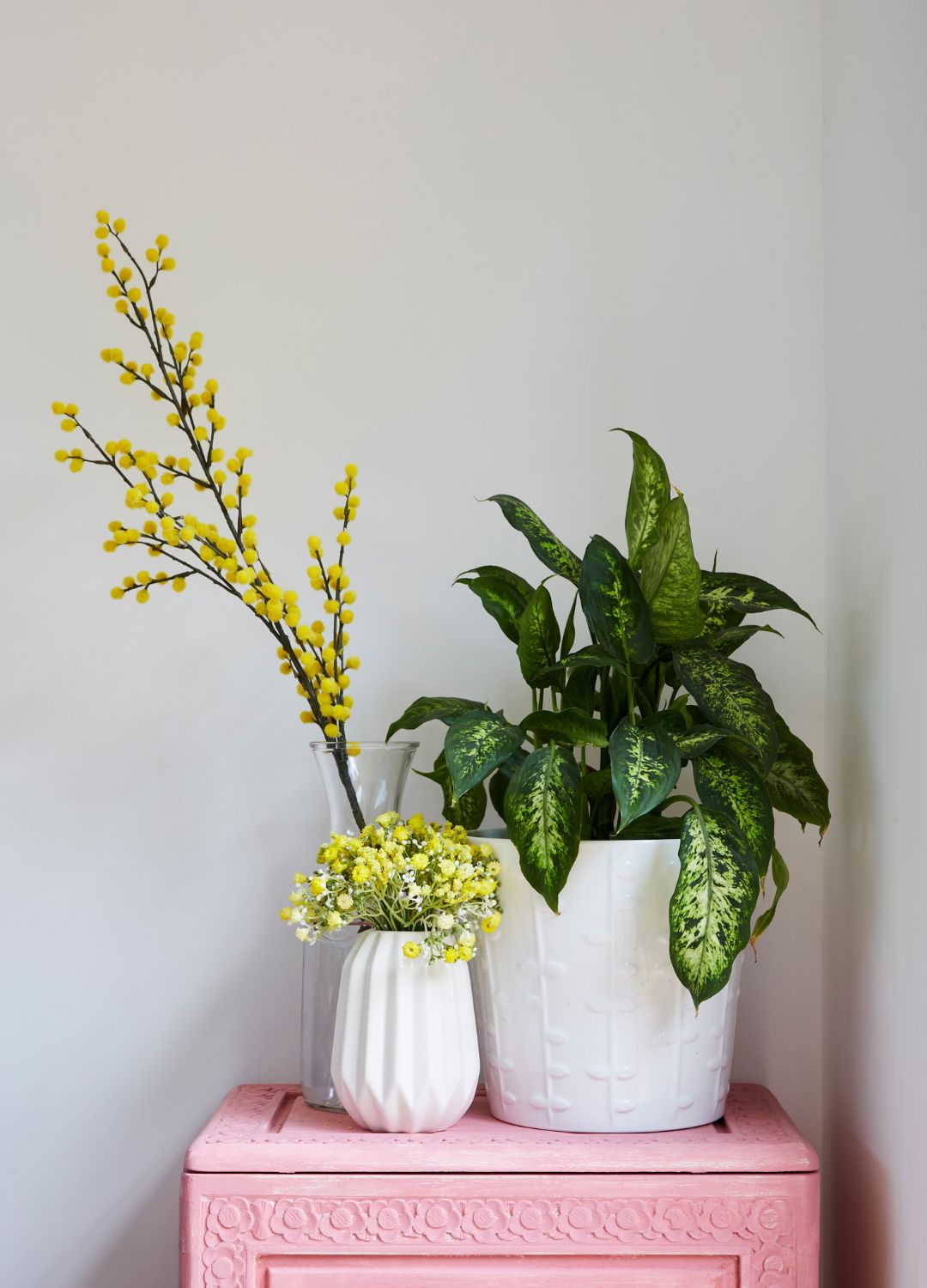
First things first, it's a good idea to check your plants over and give them a quick health check before you leave them or start any other method. You never know, you might be asking yourself why your peace lily leaves are yellowing when you didn't even realise it was in distress.
Lead gardener at Allan's Gardeners, Jane Dobbs says, "Before you leave, make sure your plants are in the best shape possible. Be sure they're well watered, pruned, and positioned so they get enough light or shade."
"It's a good idea to trim any dead or wilted leaves or flowers before you leave. It will encourage healthy growth," she continues.
This way, your plants won't just survive; they might actually grow even more while you're gone!
2. Opt for self-watering pots
If you're lucky enough to get away on holiday quite regularly, or perhaps you travel for work, then investing in self-watering pots can be a great solution and an even better way to not make a common houseplant mistake.
"The type of container you choose can make a big difference in how well your plants thrive in your absence," explains Jane. She suggests picking self-watering pots or containers with reservoirs, as they will ensure your plants are always watered; just don't use these for plants that prefer dry soil, or you might be left wondering why your plant's got mould on its soil.
Jane continues, saying, "Hydrospikes are cute, water-filled gadgets you stick in your plants' soil. As your plants need water, they'll soak it up. They're great for plants that don't do well in drought, like ferns and fiddle-leaf figs."
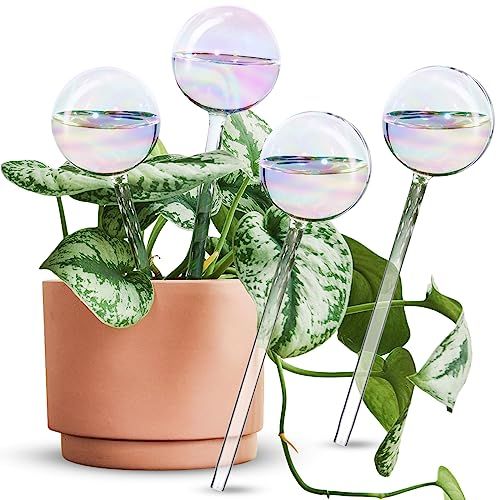
These glass watering devices are an easy way to employ a self-watering feeding system for your indoor potted plants.
3. Group similar plants together
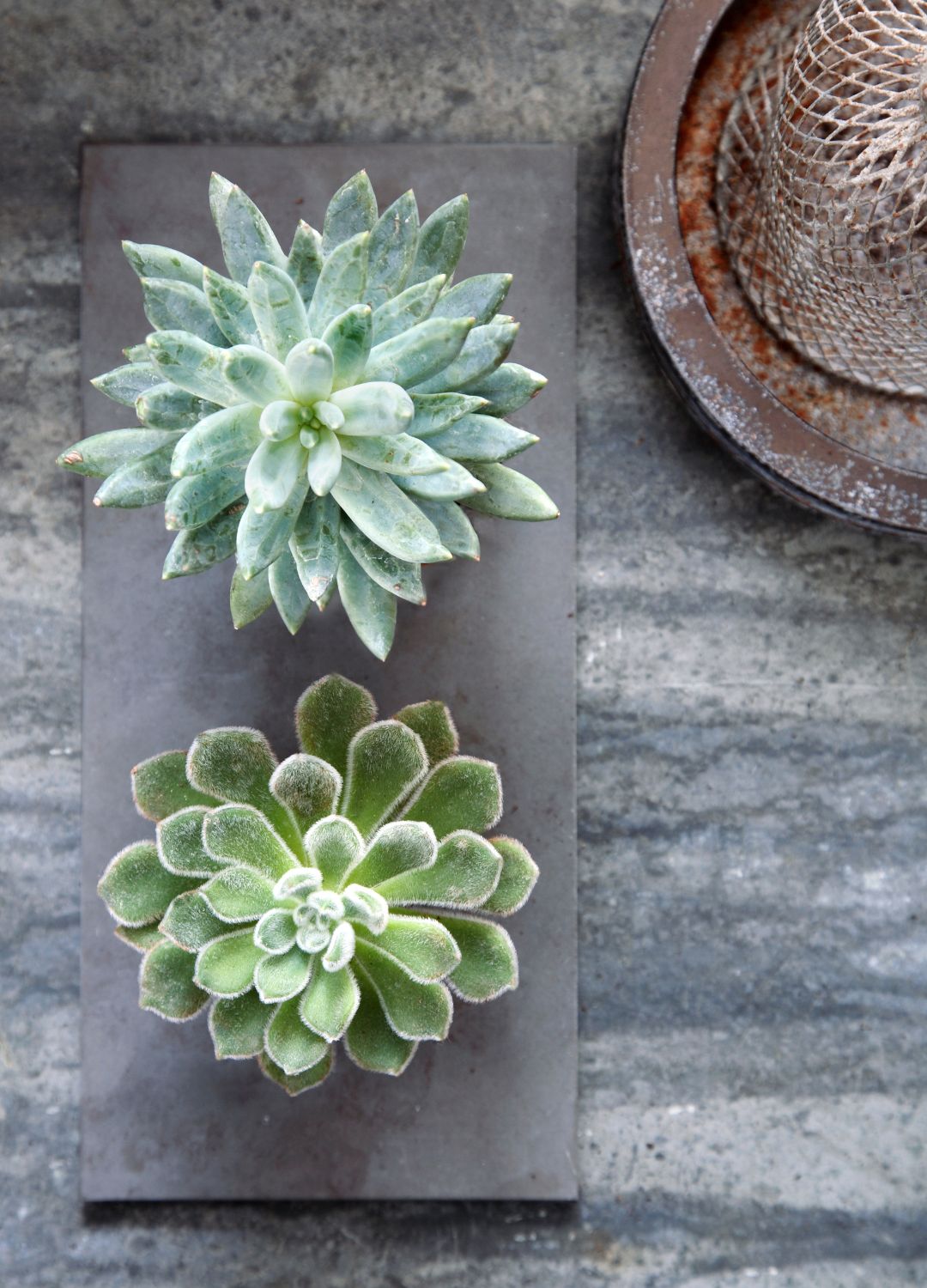
Whether you've got a collection of plants that help with condensation or you prefer fragrant plants that make your home smell good, a good idea is to group them based on their preferences.
Even if your neighbour or loved one is going to look after them whilst you're gone, putting similar plants together makes the care plan much simpler.
Jane says, "Plants with similar watering, light, and humidity requirements can be grouped to simplify care and to prevent under- or over-watering. Putting your plants together will create their own microclimate, which will help keep the air humid.
Should some of your plants require a little help with humidity, Jane suggests, "Plants that grow in tropical environments or dry environments will need adequate humidity levels, so keep a tray of water near them or use a humidifier."
4. Apply treatments before you leave
Another great way to ensure your plants are alive and well when you return from your travels is to juice them up with as many nutrients as they may need. Jane suggests using a slow-release or organic fertiliser to avoid overfeeding your plants; overfeeding can cause orchid leaves to turn yellow or an influx of pests.
Speaking of pests, Jane is quick to suggest you also apply some pesticide before you go away. "Prevent pests by applying insecticidal soap or neem oil before you leave," she says.
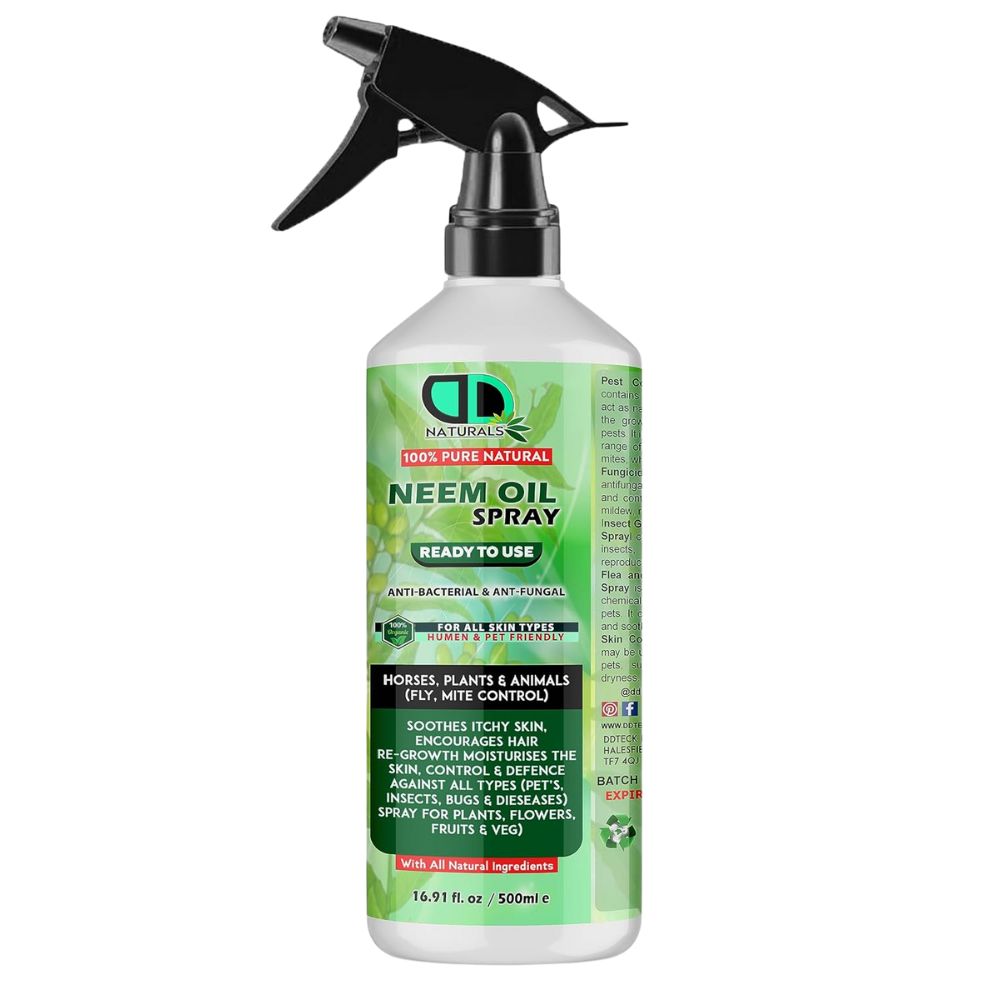
If you want to make sure no pests are reaping the rewards of your green thumb while you're sunning yourself then applying this neem oil to the soil and stems is a great deterrent.
5. Cover the top soil to retain moisture
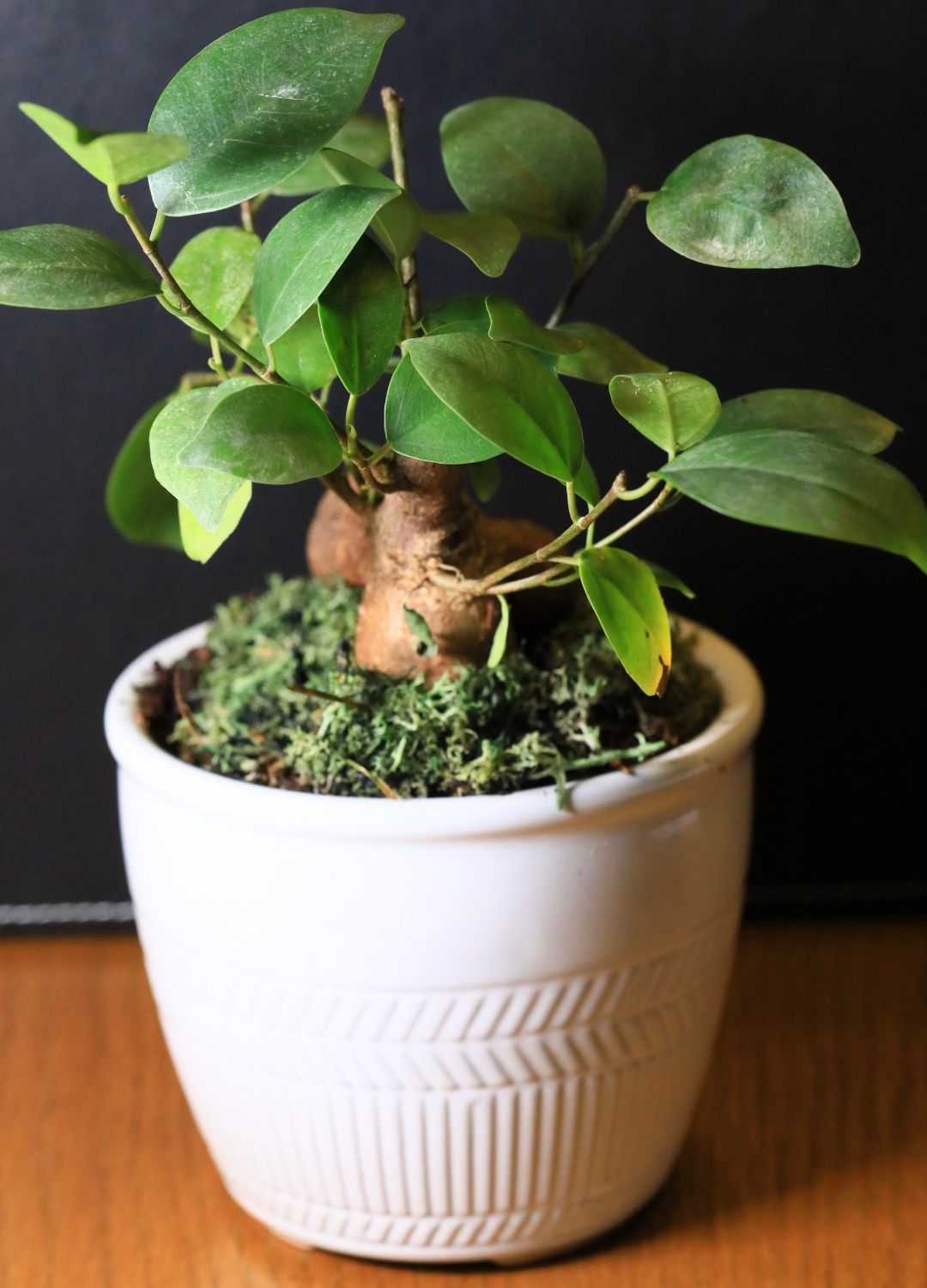
Should you have particularly thirsty plants, or perhaps one of the hardest houseplants to keep alive, then trying this method for retaining moisture could be the difference between life and death, literally.
Tatiana Sergeenko, owner of Floritta and expert in plants and floristry at Flowwow, says, "To retain moisture, you can cover the ground surface with moss or a plastic bag; this will help retain moisture for longer and stop it from evaporating."
"Alternatively, a good option for plants for the duration of your trip is to place them in the bathroom; you can fill a tub of water, and then the high humidity will reduce the evaporation of moisture."
Creating these extra humid environments is only appropriate for certain plants, so make sure you double-check care instructions if needed.
FAQs
How long can you leave your plants unwatered for?
Similar to the question of how long you should water your lawn, it really depends on what type of plants you have and what the conditions of your home are like.
"It depends on several factors, including the type of plant, its size, the environment, and the season, how long you can let it go without water. Most indoor plants can live without water for about 2 weeks, as long as they're hydrated before you leave," says Jane.
"Plants that store moisture, like succulents or cacti, can survive longer without water. You should research your plants' specific requirements and consider factors such as temperature and humidity before determining how long you can leave them unwatered," she continues.
Phi Dang, gardening expert at Calibre Cleaning, says other more moisture-loving plants will need more water. He says, " Peace Lily, known for its ability to neutralise toxic gases, needs consistently moist soil and humidity to grow and flourish. Calathea and African Violet are some other examples of moisture-loving plants. These plants need water every 3–5 days."
Other houseplants, such as the spider plant or Chinese Evergreen, prefer moist soil but can tolerate dryness for some days; Phi recommends watering them at least every 5-7 days.
Which plants are ideal for frequent travellers?
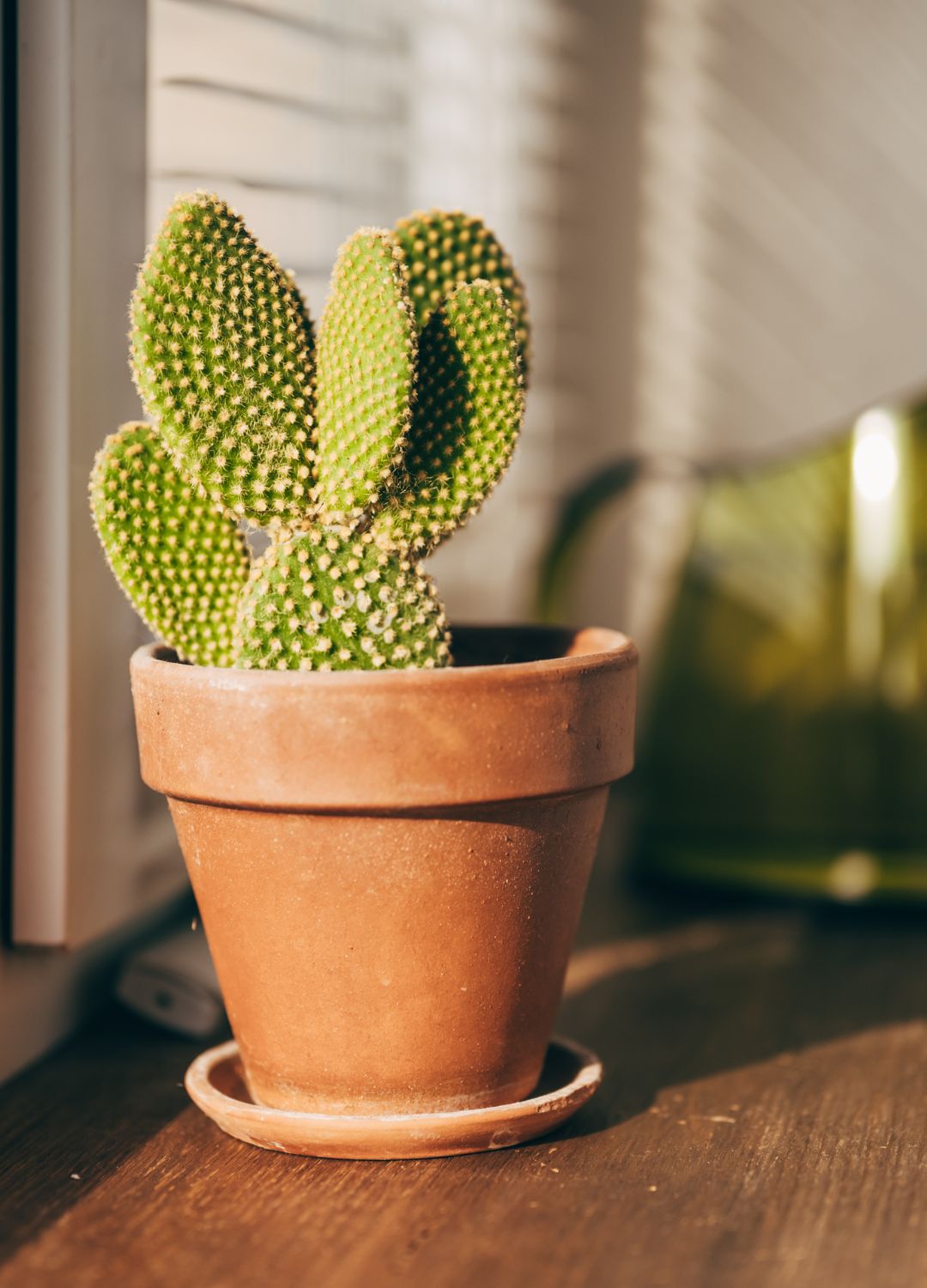
If you're lucky enough to be a frequent traveller, whether for business or pleasure, then you might want to choose plants that are easier to take care of and won't be too bothered when you're gone most of the time.
Tatiana recommends buying plants that prefer dry to very dry soil, as well as plants that can hold water and moisture in their leaves for extended amounts of time.
She says, "For people who like to travel, it is better to look at cacti, aloe vera, pachyrus, and aspidistra. These plants are not difficult to care for and do not need frequent watering."
Finding these hardier plants is a great way to take the stress away from plant care; you can do the same in your garden with drought-tolerant plants.
Will houseplants survive 2 weeks without water?
It's a little easier keeping your garden healthy whilst you're on holiday; your houseplants don't have the opportunity to be hydrated by rain or cooled by a breeze. So exactly how long is too long?
"Two weeks can seem like a long time when planning a holiday, but some popular houseplants won’t even know you are away, as they can easily store sufficient water to keep them healthy for at least two weeks or longer. These include Snake plants, Aloe Vera, ZZ plants and Ponytail Palms," says Lucie Bradley, plant expert at Easy Garden Irrigation.
"For these types of house plants, which are drought-tolerant, all you simply need to do is deep water them about 48 hours before you are due to leave, ensuring that you allow them to drain afterwards so you don’t leave them with their roots sitting in water," she adds.
Should you get back home to your plants looking rather sad and wilted, even after using one of the above methods, Jane says not to panic. "When you get back, don't panic if your plants look wilted. They'll recover quickly after a gentle watering," she explains.