The holiday season is a high-stakes poker game between retailers and shoppers. The centerpiece of your meal—whether it is a turkey, ham, or rib roast—is the most expensive item on your receipt. However, the price of that meat is not static. It fluctuates wildly from early November through late December based on supply, demand, and competitive posturing. Buying your holiday main course one week too early (or too late) can cost you double.
The “Turkey Drop” in Mid-November
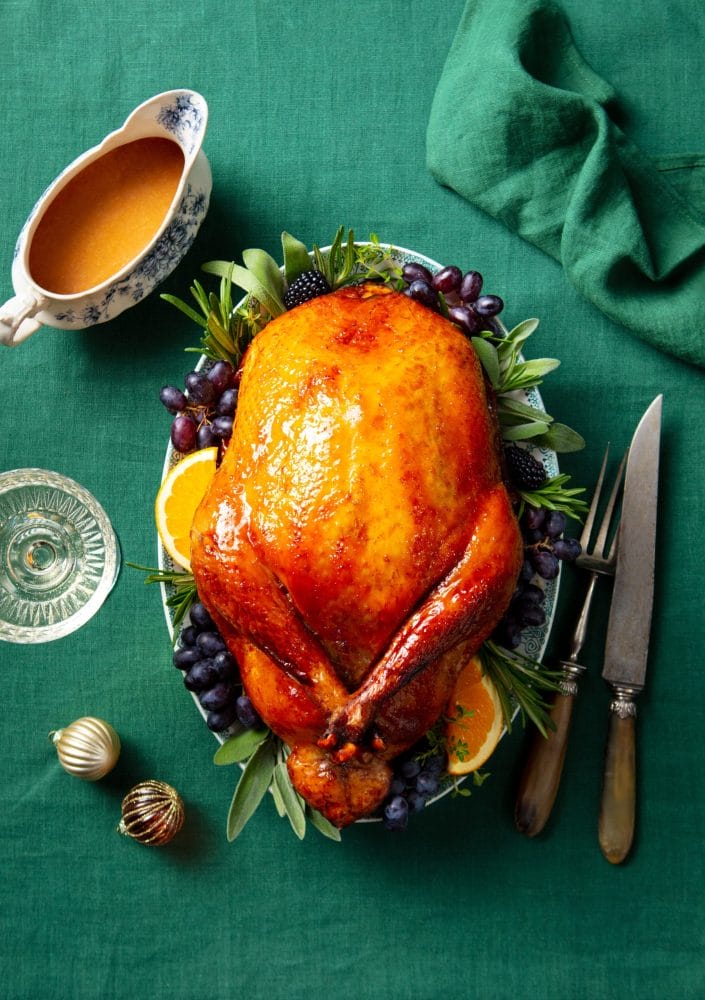
Turkey prices follow a U-shaped curve. In early November, prices are high as stores capture the “early bird” shoppers who want to secure their bird. The price bottoms out exactly one week before Thanksgiving. This is when stores panic about excess inventory and drop prices to historic lows, often 49 cents per pound or less. If you buy too early, you miss this window. If you wait until the day before, you risk paying a premium for a fresh (not frozen) bird.
The Post-Thanksgiving Ham Spike
Spiral-sliced hams are often cheaper before Thanksgiving than they are in early December. Retailers know that many families serve ham for Christmas. Consequently, the price of ham often creeps up in the first two weeks of December. The savvy move is to buy your Christmas ham during the Thanksgiving sales events in November and freeze it. You will likely pay significantly less per pound.
The Prime Rib Price War (Mid-December)
Standing rib roasts are the premier Christmas beef item. For the first two weeks of December, prices remain stubbornly high, often over $15 per pound. The price war usually breaks out around December 15th. This is when major chains like Kroger, Publix, and Safeway release their holiday circulars. You will see prices drop dramatically, sometimes to under $7 per pound, for just one week. This is the only week you should buy.
The “New Year’s” Seafood Surge
Shrimp and crab legs see a massive spike in demand for New Year’s Eve parties. Retailers anticipate this. While you might see small sales in early December, the prices for premium seafood often rise in the last week of the year. If you plan to serve shrimp cocktail on December 31st, buy frozen shrimp in mid-December before the “party premium” is applied.
The Lamb Lull
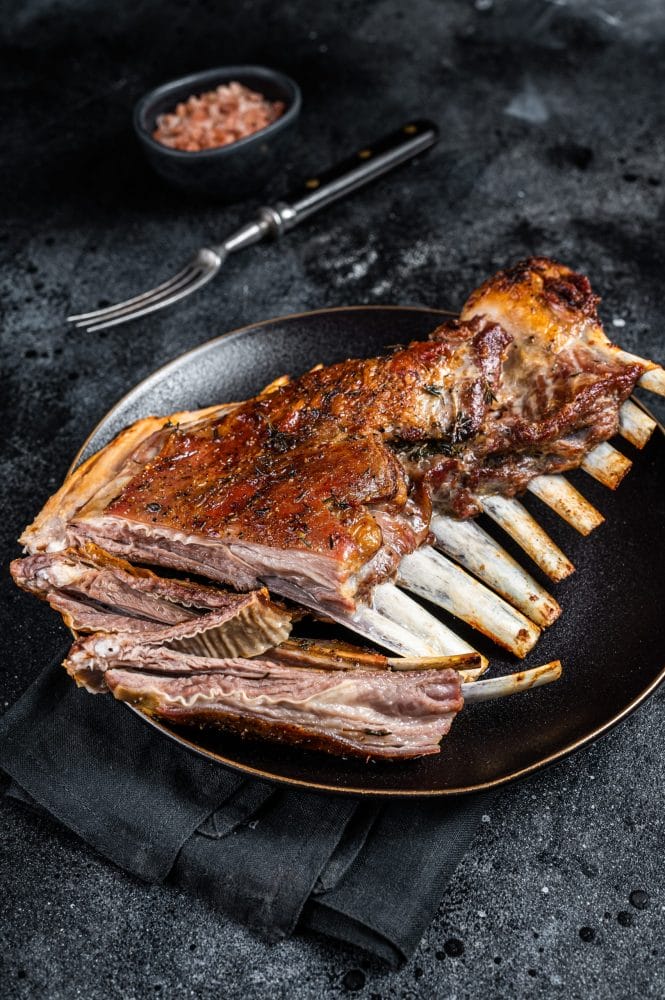
Rack of lamb and leg of lamb are niche holiday items. Because they don’t have the mass appeal of turkey or ham, their prices are less volatile but also less discounted. You rarely see a “doorbuster” deal on lamb. However, you will often find clearance stickers on lamb immediately after Christmas, as stores clear out the inventory they brought in for the holiday.
The “Day After” Clearance
The absolute lowest prices for holiday meats occur on December 26th and January 2nd. Retailers are desperate to offload perishable turkeys, hams, and roasts that didn’t sell. If you have freezer space, this is the time to buy your Easter ham or your next Thanksgiving turkey. You can often find these premium cuts for 75% off their peak holiday price.
Timing Is Everything
Saving money on holiday meat is a game of chicken. You have to wait for the retailer to blink and drop the price, but you can’t wait so long that the case is empty. By watching the weekly ads closely and striking during the specific “price war” weeks, you can serve a luxury meal on a budget.
When do you buy your Christmas roast? Do you have a specific price per pound you wait for? Share your strategy!
What to Read Next
Why Retailers Are Leaning Heavily on Loyalty Apps This Holiday Season
Grocery Delivery Fees That Spike During the Holidays
Holiday Clearance Items That Help You Stock the Pantry for Less
Meat Departments Battle Supply Disruptions Affecting Popular Cuts
How Long-Term Freezing Destroys Meat Quality and Value
The post Holiday Meat Prices That Change Dramatically Week to Week appeared first on Grocery Coupon Guide.