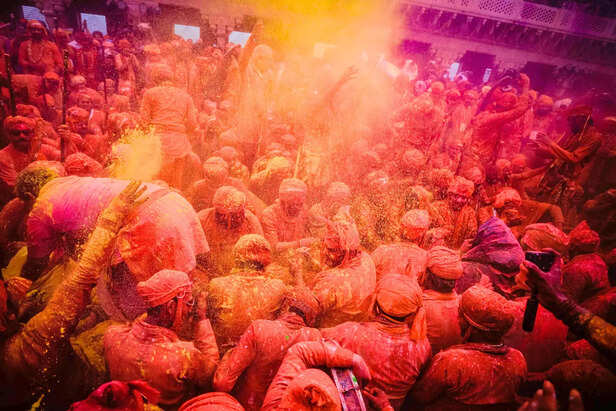
Holi is the festival of colours and it represents the success of good over evil. Furthermore, the festival welcomes the arrival of spring and the conclusion of winter. Indeed, throughout India, we will be seeing the festive buzz becoming active. From buying organic colours to outfit plannings, the excitement is in the air. Before launching ourselves wholeheartedly into the world of celebrations, we should understand the important details related to Holi. In this article, we will learn about the important dates, timings, spiritual significance, legends and rituals of Holi.
Date and Timings of Holi 2026
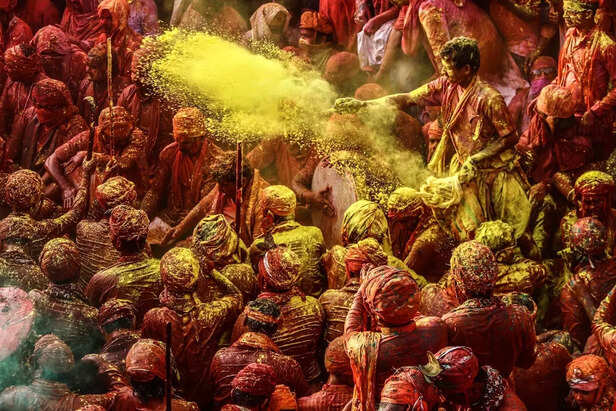
Drik Panchang points out that Holi will happen on 4th March 2026. Secondly, Holika Dahan is on 3rd March 2026. Timings are provided below:
Beginning of Purnima Tithi: 05:55 PM on 2nd March 2026
Purnima Tithi Conclusion: 05:07 PM on 3rd March 2026
Spiritual Significance of Holi 2026
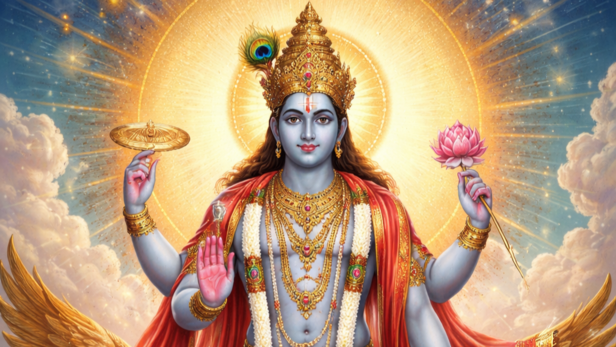
Holi is one of the most important festivals in Hinduism. This is an opportunity for people to get rid of their past mistakes and end disharmony with others and within themselves. In short, Holi is a festival of love and forgiveness. Divine love between Lord Krishna and Radha is also celebrated during this period. As people come together and play with colours irrespective of caste, creed or religion, Holi is also known as the festival of unity.
Legend of Holika Dahan 2026
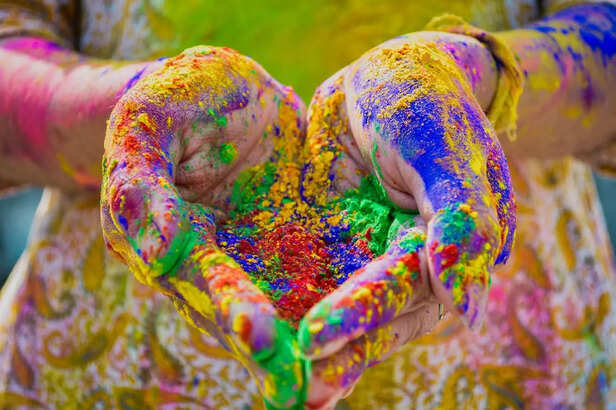
The most famous legend of Holi involves the story of Holika and Prahlada. Prahlada was the son of Hiranyakashipu. He was a deep believer of Lord Vishnu. However, his father Hiranyakashipu’s faith was directed towards Lord Brahma and he was not in favour of his son’s boundless devotion to Lord Vishnu. In fact, Prahlada refused his father’s command to stop worshipping Bhagwan Vishnu. As a result, Hiranyakashipu told Prahlad's sister Holika to kill her brother.
Holika possessed a divine shawl which had the power to protect her from fire. It was a gift from Lord Brahma. Thus, she decided to murder Prahlada by creating a big bonfire. Then, Holika put on her sacred shawl and stood amidst this bonfire by hugging Prahlada. However, when the fire was lit, Prahlada began praying to Lord Vishnu with all his heart for protection. Seeing this, Bhagwan blew a gust of wind which took off the shawl from Holika’s body. Moreover, the shall covered the body of Prahlada, protecting him from the massive fire. So, due to Bhagwan Vishnu’s divine grace, innocent Prahlada’s life was saved and the demon Holika was burned to ashes. As you may have already guessed, the festival of Holi received its name from this story of Holika and the bonfire that she had created. In short, Holi celebrates the burning of evil and the triumph of goodness through the ritual of Holika Dahan.
Rituals for Holi 2026
A key ritual of the festival is the burning of the asura Holika. People will create bonfire near shrines, parks or other open areas. Atop the pyre, they will keep an effigy that represents Holika. On the evening of Holi, the pyre will be put on fire. This ritual is called Holika Dahan. It signifies the destruction of evil and the success of goodness. Then, individuals will gather around the fire and dance and sing.
Celebrations will be carried out using colours and water. Holi drinks and foods, like malpuas, mathri, gujiya, bhang, thandai, among many others, will be prepared. People will visit family members and friends to strengthen their bonds with each other.
Explore the latest trends and tips in Health & Fitness, Spiritual, Travel, Life Hacks, Trending, Fashion & Beauty, and Relationships at Times Life!
Frequently Asked Questions (FAQs)
-
What special food is eaten at Holika Dahan?
Holika Dahan is celebrated with traditional sweets and savoury snacks such as Gujiya, creamy Thandai and Malpua.
-
What should I wear for Holika Dahan?
For Holika Dahan, wear traditional and fire-safe clothing like cotton or linen kurtas, sarees or ethnic suits.
-
What not to do on Holika Dahan?
On Holika Dahan, avoid performing the ritual during the Bhadra period, lighting the fire with harmful materials like plastic or garbage and wearing black or white clothes.