BELLEVILLE, Ill. _ The shooting of a congressman on Wednesday was the second time a person with Belleville-area ties was accused of shooting officials in the Washington, D.C., area.
In 1998, Russell Eugene "Rusty" Weston Jr., who grew up near Valmeyer, Ill., about 30 miles southwest of Belleville, was arrested and accused of shooting to death two U.S. Capitol Police officers in the Capitol building in Washington.
Weston, who was 41 at the time of the shooting, did not go on trial because he was found mentally unfit.
Weston was being held in a federal facility for mentally ill persons as of last summer, according to The Associated Press.
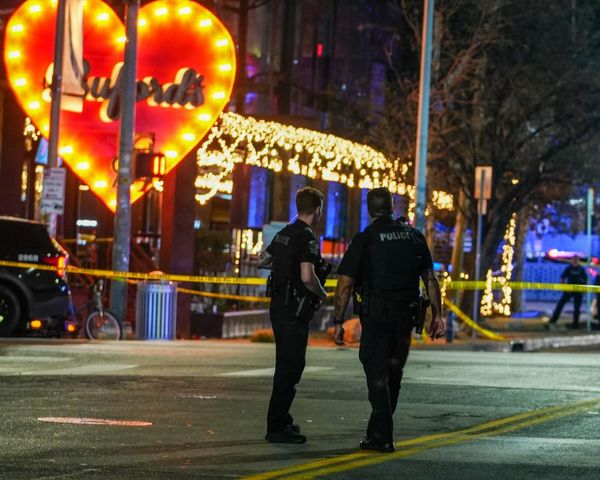
James T. Hodgkinson, 66, who lived near Belleville, died in a shootout Wednesday in Alexandria, Va., after Republican congressmen were shot while practicing for a congressional baseball game.
Weston's friends and family said at the time of the 1998 shooting that Weston had a diagnosis of paranoid schizophrenia.
One friend said Weston once boasted that he was a CIA agent charged with protecting President Bill Clinton from an assassination plot, according to News-Democrat archives.
Weston was accused of barging through a U.S. Capitol building metal detector on July 24, 1998, shooting officer Jacob Chestnut in the head, then walking through the building until he shot officer John Gibson during a gun battle in which he was also shot, the AP reported.
After graduating from Valmeyer High School in 1974, Weston moved to Montana and lived in an isolated cabin before the shooting.
Shortly before his arrest, a conflict-filled visit to Valmeyer ended abruptly after he shot and killed a number of cats on his parents' and grandmothers' property, relatives told the News-Democrat.
In the aftermath of the shooting, Weston's parents apologized to the officers' families.
In 2002, a federal judge ruled the government could continue forcibly medicating Weston.
At the time of the killings, Weston believed government agents were out to get him, that a computer chip in one of his teeth let him communicate with Russia's ambassador and that he had the power to reverse time, the AP reported.