Sociologists have noticed that people spend most of their time in one of three places. The first is their home, the second is where they work, and the third is a common area where they socialize. Some examples of the latter include libraries, parks, churches, coffee shops, and community centers, which are very important for human relationships.
However, these third places are disappearing due to factors like digitalization, the cost of living, and the pandemic. To attract more attention to their importance, older adults are sharing their favorite ‘hangout spots’ that should be preserved for the sake of our mental health. Scroll down to find them, and let us know what you think about the topic in the comments below!
While you're at it, don't forget to check out a conversation with internet culture writer Nathan Allebach, who went viral in 2022 after posting a TikTok video on this topic.
#1

Image credits: dabunny21689
#2
Image credits: pourtide
#3
Image credits: Capable_Tale_1988
One of the earliest examples of third places are tea houses tracing back to ancient Chinese communities and the Jin dynasty, around 265–316 AD. At first, they were considered a symbol of status where people could frivolously spend their money on tea in public.
Later, they evolved into meeting places where local people celebrated and had business and friendly meetings daily. These were the hubs where they shared their creative ideas and generated innovations.
Flash forward to the 17th century, and the owners of coffee houses were severely punished by Sultan Murad IV of the Ottoman Empire and King Charles II of England because they felt threatened by the ‘radical ideas’ that were shared in these places.
#4
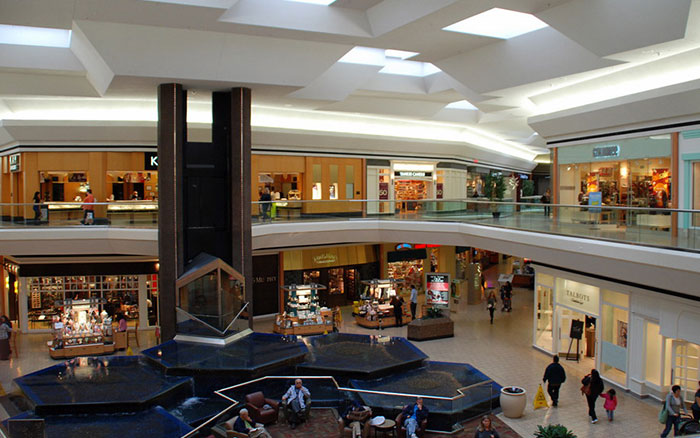
Image credits: PreferredSelection
#5
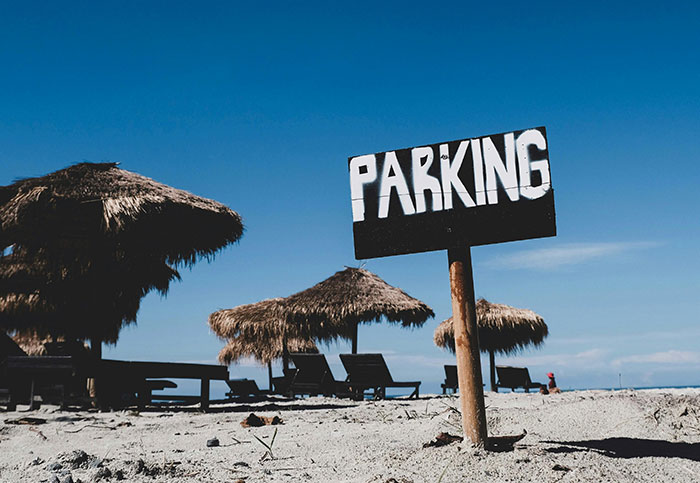
Image credits: ven-diagram
#6
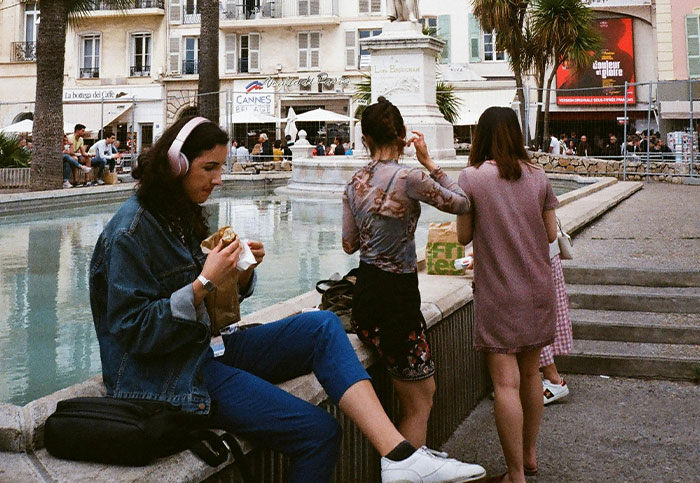
Image credits: Mezentine
The term third place was popularized by urban sociologist Raymond Oldenberg, who described it as “public places on neutral ground where people can gather and interact. In contrast to first places (home) and second places (work), Third Places allow people to put aside their concerns and simply enjoy the company and conversation around them.”
Writer, social media director, and brand strategist Nathan Allebach, who went viral in 2022 after posting a TikTok video on this topic, said to Bored Panda, "Third spaces have traditionally been the low-to-no-cost entry places where communities gathered. They could be public squares where there might be a fountain, statue, or bulletin board; they could be libraries, cafes, barber shops, pubs, music venues, skate parks, or any other place with a magnetic pull for people to hang out for more than just a quick purchase."
#7
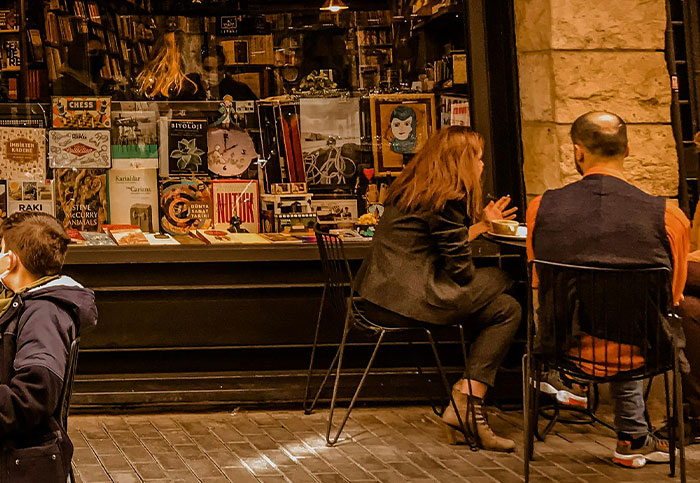
Image credits: rtopps43
Dr. Narae Lee, a scholar at Pennsylvania State University, has researched the impact of these locations and proposes that “one of the important features of 'third places' is social contact, either directly or indirectly,” Lee says. “In third places, you can enjoy direct social interaction with other people by chatting and enjoying activities with them.”
#8

Image credits: __mentionitall__
#9
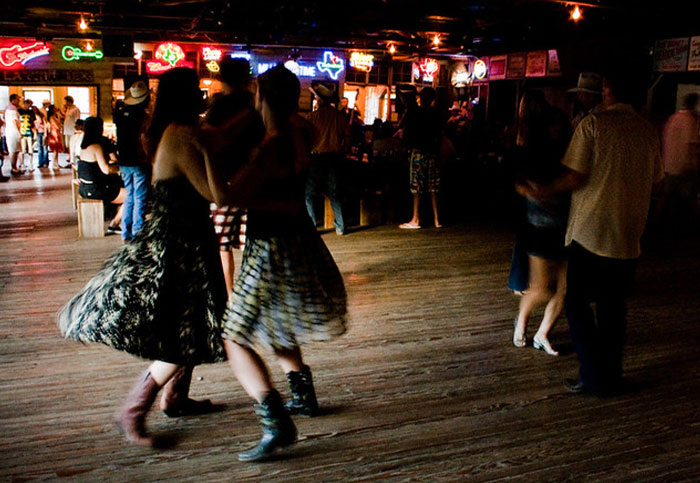
Image credits: backlikeclap
They help us form our individual and collective identities beyond our home or work. In a sense, they are a communal social hub that is becoming more important to our psychological well-being while living in a society where loneliness is increasing. Even if you aren’t actively participating in socializing, just showing up can do wonders.
“It’s crucial for people to escape from a sense of loneliness and build a sense of community. Some people go to third places to be surrounded by other people, watch them, and rest while just enjoying the ambiance and white noise,” Lee says.
#10
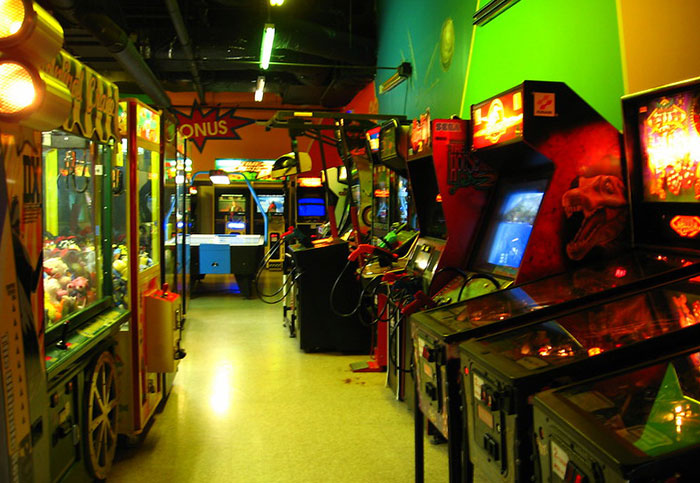
Image credits: kRkthOr
#11
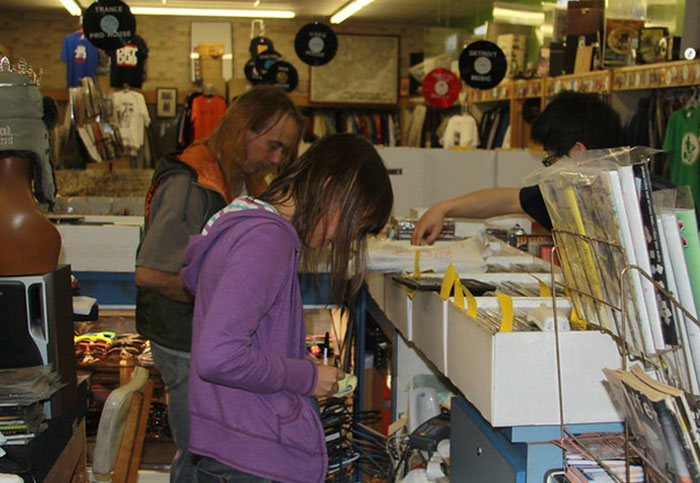
Image credits: anon
#12
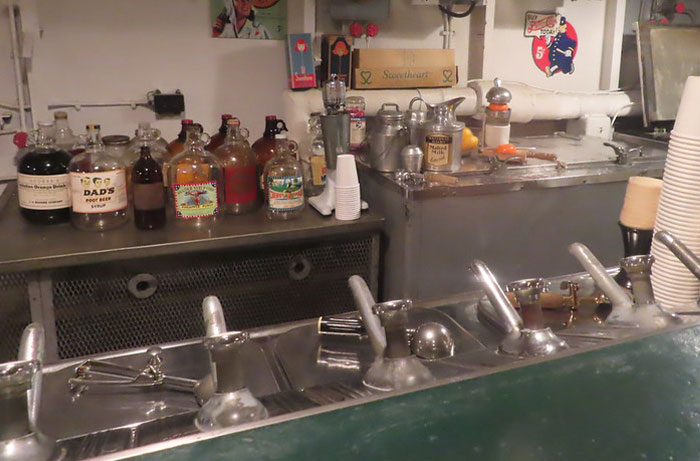
Image credits: stolenfires
In the 1950s, these social hubs resided in the local diner, the library, the bowling hall, and hair salons. The 1990s and the emergence of the iconic TV show Friends again popularized coffee shops where people could come in to meet up with others, catch up about their day, and dissociate from their daily routines.
#13
#14
#15
Seeing a huge opportunity there, Howard Schultz, former CEO of Starbucks, changed the layout of their store to include warm colors, coffee tones, and comfortable seating. He was aware of the need for community and described their new design as “intended from day one to build a Third Place between home and work... at a time in America when people are hungry for human connection.”
#16
#17
#18
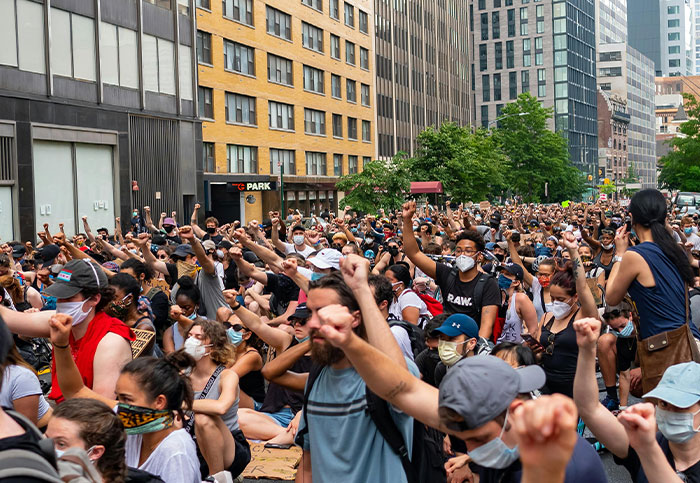
Image credits: tryingtobecheeky
However, with the introduction of the internet and Wi-Fi, these places started to lose the community aspect. Now many people come to them, put in their earbuds, keep their heads down, and focus on their electronic devices. Coffee shops or more specifically, Starbucks, are embracing it and changing their layouts once again. From previous inviting and communal spaces, locations have reduced the number of seats and introduced uncomfortable furniture, and blank walls, encouraging people to leave promptly.
#19
#20

Image credits: DuntadaMan
#21

Image credits: pwn3dbyth3n00b
Lockdown due to the COVID-19 pandemic eliminated even more third places. Gyms, bars, restaurants, and libraries were forced to pause their operations, which led some of them to close down permanently.
Allebach points out another reason why these locations are disappearing, and that is the hardly walkable town infrastructure. "Prior to WWII, every small town and big city alike was built to be walkable because walking was people’s primary means of transportation. You needed to get to the local corner store, bar, butcher, blacksmith, and so on within a reasonable distance.
Since WWII and the mass production of motor vehicles, countries have begun redesigning their infrastructure toward car dependency. Roads slowly replaced train and trolley lines, and housing was slowly built far away from urban centers."
#22
"There's a lot more to this history, obviously," he continues. "But now, decades later, we have a development pattern that requires a car to get anywhere, making third places harder to sustain financially. That, coupled with the last 20 years of technology, via the internet, social media, smartphones, streaming, and video games, people are increasingly atomized. It’s more comfortable and easy to stay home and consume media, rather than drive 20 minutes to your nearest park or downtown."
#23
Image credits: edgrrrpo
#24

Image credits: earlofhoundstooth
Something that can help preserve these places, according to him, is changing zoning and parking laws. "The problem is that the vast majority of suburbs, small towns, and cities alike have adopted highly restrictive zoning and parking laws over time that make walkable housing de facto illegal to build. On most land in most towns, you can’t even build a duplex without going through months of working with the local zoning board.
Fundamentally, our zoning and parking laws have to change if we want our development pattern to change. A library, cafe, or barbershop is much more likely to not only survive financially but thrive as a place to spend time when it’s located in an active downtown rather than a dead suburb."
He concludes, "When we legalize different styles of development, we can see how different people would choose to live, rather than the current status quo, which creates an artificial scarcity of walkable communities, making most of them unaffordable for most people."
#25
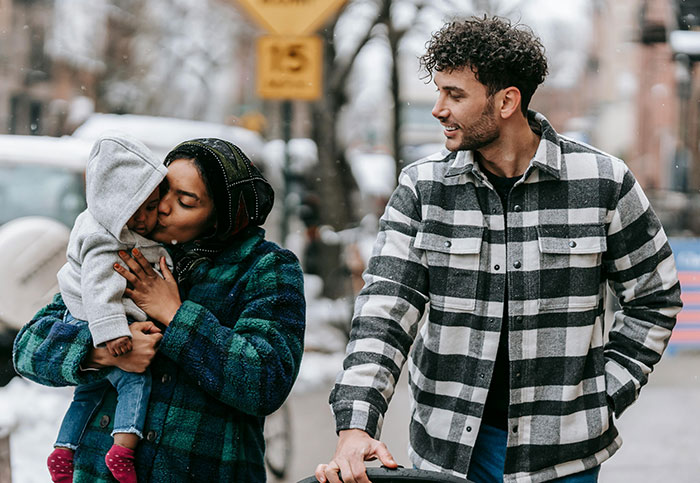
Image credits: Griffolion
#26
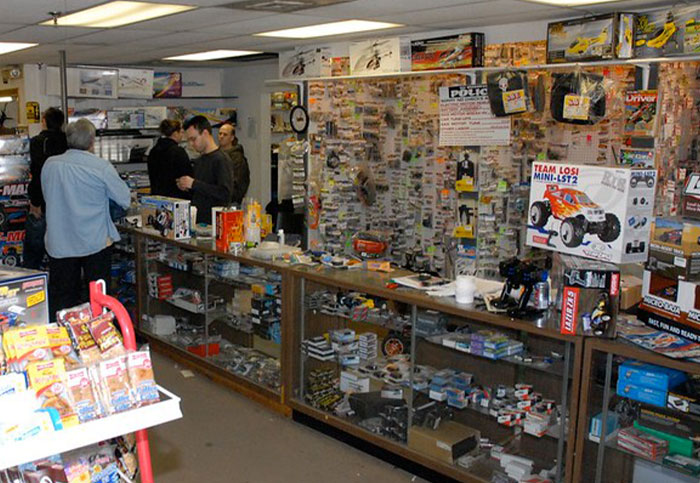
Image credits: deadrabbits4360
#27
The good news is that a lot of third places still exist, and they can flourish only if they attract returning regulars. Therefore, seeking out local cafes, parks, arcades, libraries, malls, bars, clubs, bookstores, community events, and yard sales can help preserve them.
For those who aren’t sure how to find them, Dr. Lee recommends tying a third space to something they’re interested in. If reading is your cup of tea, try joining a local book club where you can discuss it with other people. In case you prefer nature over everything, going to a nearby park also counts.
#28
Image credits: anon