HIV prevention along east Africa's transport corridors — in pictures
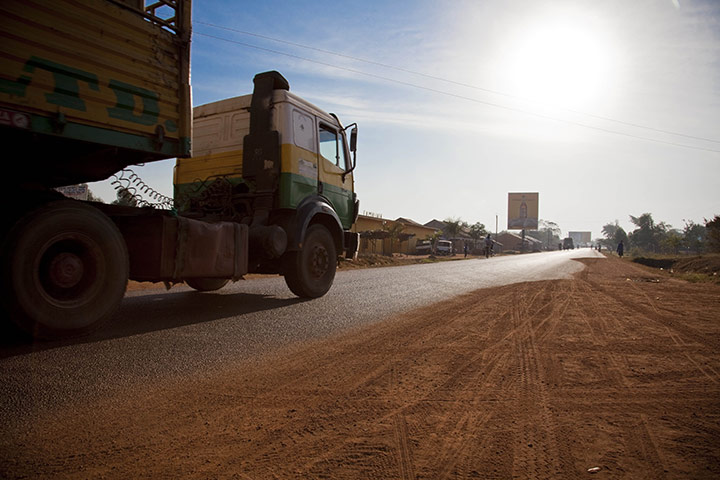
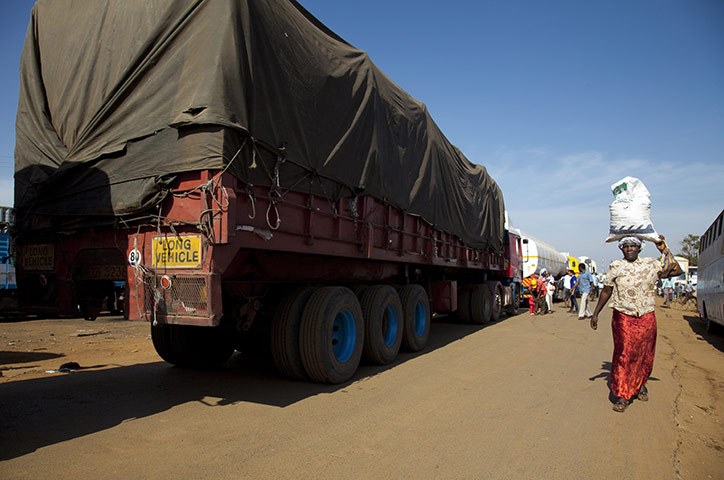
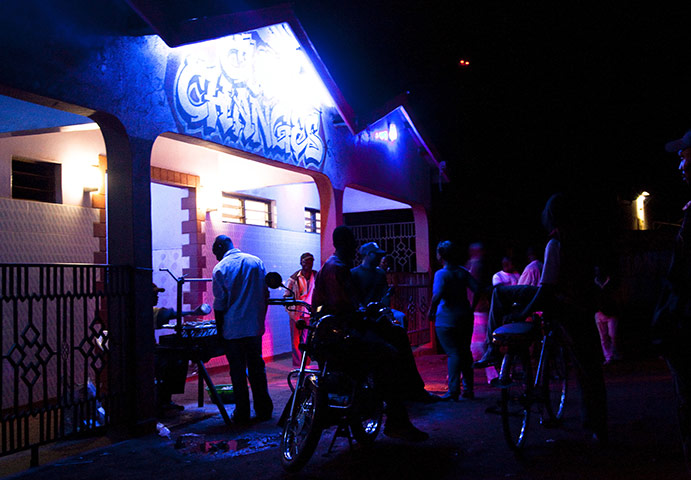
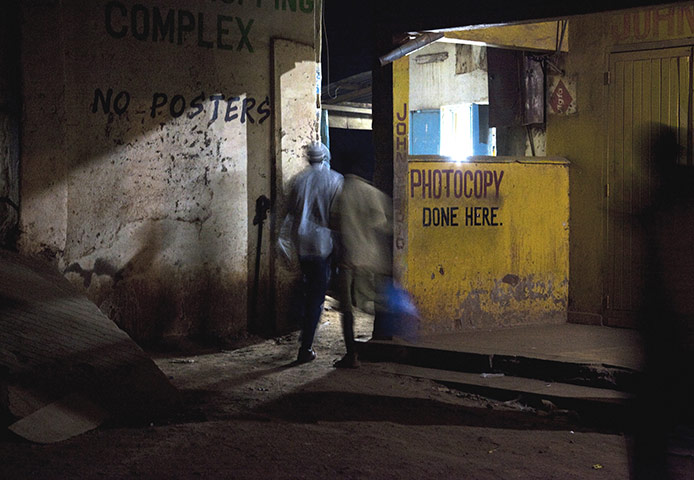
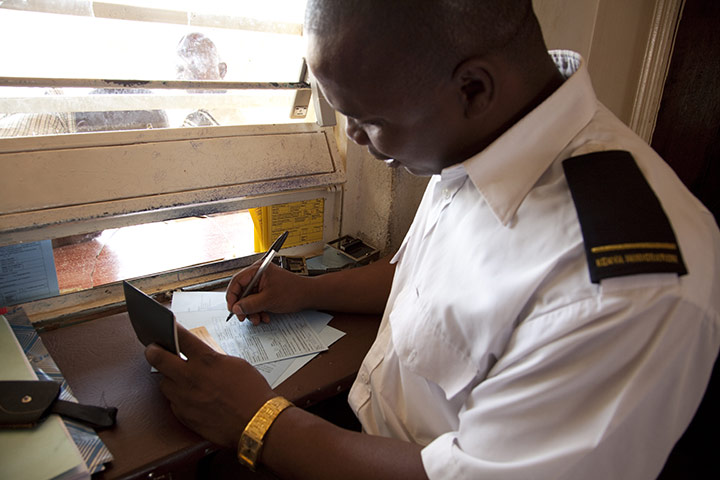
Busia, a border town between Kenya and Uganda, is home to a variety of mobile populations, including truck drivers, immigration officers, customs officials, sex workers and businessmenPhotograph: International Organisation for MigrationBusia at 6am: trucks travelling through the town line a long road as traders weave around the vehicles, hustling for businessPhotograph: International Organisation for MigrationMusic can be heard from bars in Busia and female sex workers gather around local clubs and hotels seeking out clients. With income disparities between relatively wealthy populations and impoverished women, paid sex is rife. It is this social context that fuels risky sex – and HIV infections Photograph: International Organisation for Migration
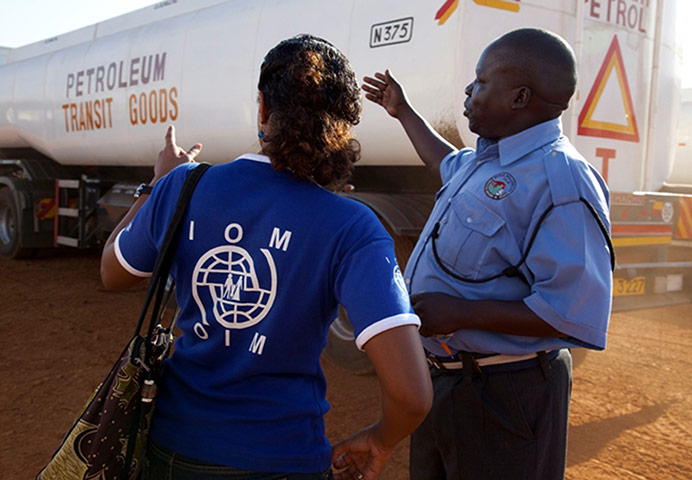
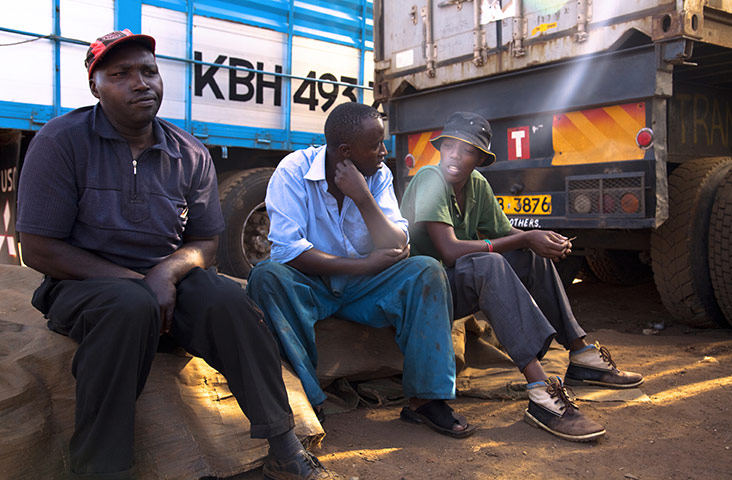
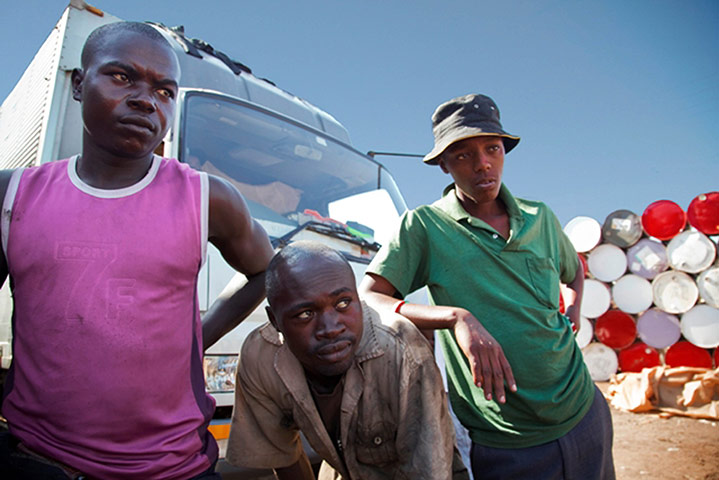
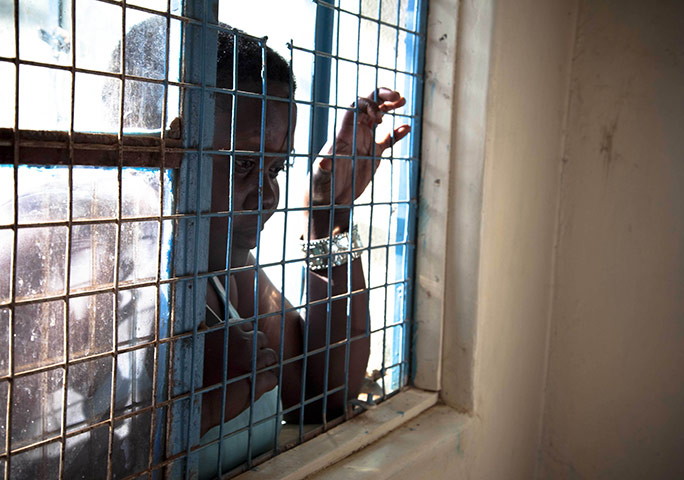
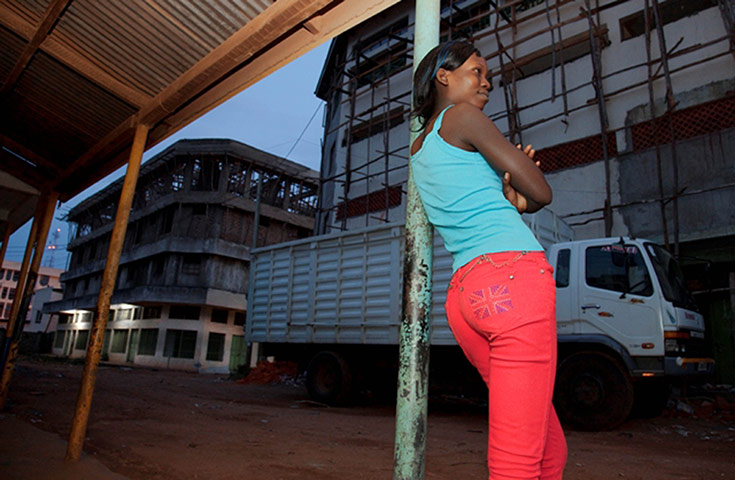
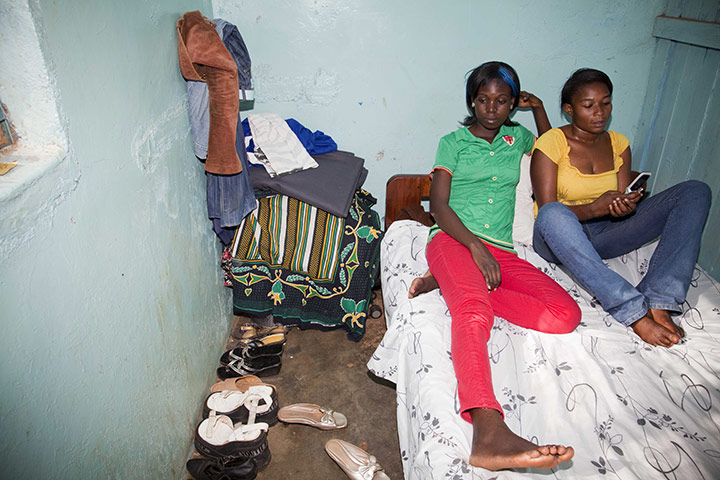
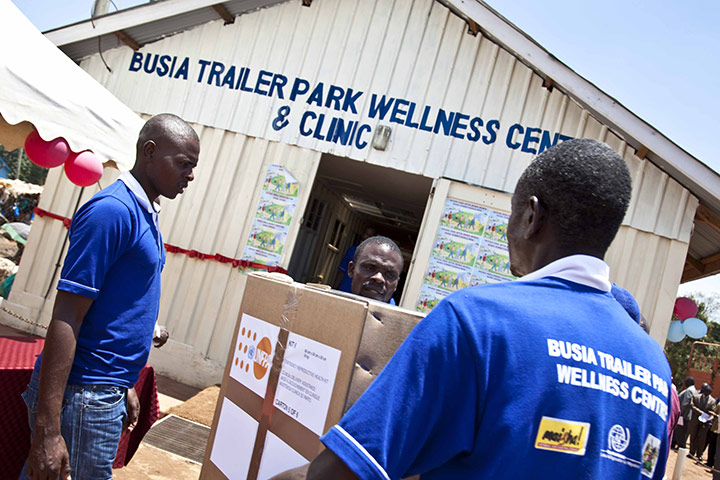
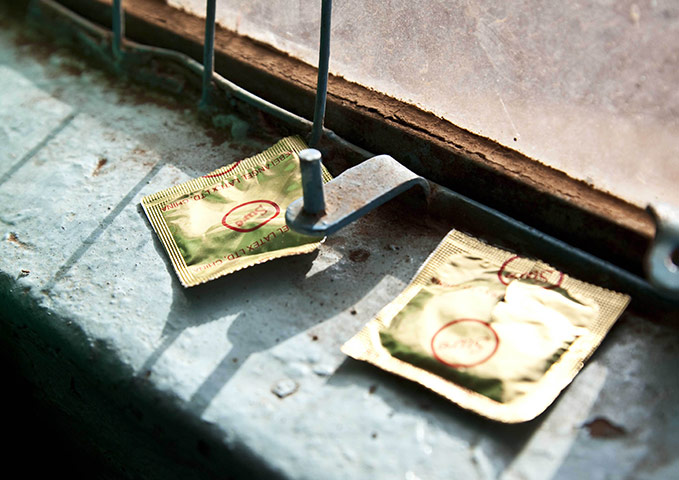
Sex workers and their clients along transport corridors face many obstacles in accessing effective HIV-prevention programmes. The International Organisation for Migration (IOM), in partnership with the National Aids Control Council, and the National Aids & STI Control Programme, are all working together to support HIV-prevention in this regionPhotograph: International Organisation for MigrationSex work is hidden, but far from invisible. Sex workers in Busia line up against back alley walls waiting for clients. Some sex workers will see up to seven clients per evening. 'Those nights are the lucky nights,' one sex worker told the IOM. 'We cannot afford to have sex just once'Photograph: International Organisation for Migration'It is dangerous to come here if you are single; for those who are married, we must try and be mature,' said one immigration officer. 'The problem is temptation. HIV affects us all. If you are not infected, you are affected' Photograph: International Organisation for MigrationTruck drivers travel many miles across east Africa, often driving for 24 hours at a time. Tired, yet restless men gather in Busia to socialise. When asked about HIV, they respond: 'We do not have time to get tested' Photograph: International Organisation for MigrationMalaria, backache and typhoid are a few of the health worries truck drivers talk about, but HIV is on everyone's mind Photograph: International Organisation for Migration'I work here. I have sex here. I sleep here. I eat here.' Many migrant sex workers rent a room in a hostel where they live, work, eat and sleep. With little income, they are forced to use their private space for clientsPhotograph: International Organisation for Migration'I can’t feel any emotion. There is no feeling. I am just doing this because I have to,' says Sarah Makula (not her real name), a 19-year-old female sex worker from Uganda. She earns $3 per 'shot' (sexual transaction). Her story is tragically common. Her father died when she was 13, her mother two years later, both from Aids. Sarah had to leave her small village in western Uganda in search of work. Travelling to Kenya, she found sex work her only viable option. 'Some men refuse to wear a condom, mainly because the man is drunk. Some are violent. Some already have HIV, so they don’t care about protection.'Photograph: International Organisation for MigrationStuck in her room, Sarah waits for her next client with a fellow sex worker. 'I tried to find other work. I went to Nakuru to be a housemaid, but the money was not enough. How can I bring up my family on $10 per month? I had to lie to my grandmother. She thinks I am in Kenya working as a cleaner'Photograph: International Organisation for MigrationIn the heart of Busia's trailer park, the Kenyan government, in partnership with IOM, has opened a new healthcare clinic targeting hard-to-reach populationsPhotograph: International Organisation for Migration'We see the Busia Trailer Park Wellness Centre as a first step, but we can only prevent new HIV infections through strengthened partnerships,' says IOM's Greg Irving. Alloys Orago, the director of the National Aids Control Council, adds: 'With partners, we need to pepper the entire corridor with specifically designed interventions for hard-to-reach populations'Photograph: International Organisation for Migration
Sign up to read this article
Read news from 100's of titles, curated specifically for you.