The Trump administration’s newly proposed HIV funding cuts could threaten the health of thousands of Americans, researchers at the Johns Hopkins School of Medicine have warned.
If the $1.5 billion cuts are implemented, the number of HIV infections over the next five years could surge by up to 10 percent across 18 states, computer modeling shows.
That would be a major blow to the decades-long, bipartisan effort to fight the incurable, lifelong illness, which is still responsible for close to 4,500 deaths each year.
The virus, which is also known as “human immunodeficiency virus, aggressively attacks the body’s immune system, and infections were widely considered a death sentence until the development of HIV treatments in the 1980s.
“The HIV epidemic has been going on for 40 years,” Dr. Todd Fojo, an associate professor of medicine at Johns Hopkins, said in a Tuesday statement. “The United States has made tremendous progress over the years, with fewer people getting infected and better treatments for those who are infected. To enter a world where that suddenly reverses would be a big deal.”
That 10 percent is the equivalent of 12,751 more infections nationwide - although some states would see larger increases than others, Fojo and the researchers said.
“For example, in Washington state, our model predicts that the number of infections increases by 2.7 percent without CDC-funded tests, but in Louisiana, infections would increase by almost 30 percent,” Fojo explained. “We know that CDC-funded tests are diagnosing more infections in Louisiana than in Washington state, so the model’s prediction makes sense.”
States with more of a rural HIV epidemic are more impacted than others when funding for testing is pulled, he noted.
Next, the researchers will look at what a loss of CDC funding for other forms of HIV prevention could look like.
While there have been major strides in fighting HIV, nearly 40,000 Americans are diagnosed with infections each year and 1.2 million are currently living with the disease, according to CDC data.
Testing is critical to preventing transmission, which largely occurs in men who have had sexual contact with other men and in people who haven’t been tested.
That’s why the CDC typically provides more than $1 billion a year for domestic HIV prevention, sending money to dozens of local health departments around the country.
Efforts to cut funding in the 2026 budget were unsuccessful.
But new budget cuts limiting prevention funding to $220 million - including to parts of the already-threatened Ryan White Program for low-income or uninsured patients - would greatly impact the U.S. response to HIV, according to the non-profit HIV+Hepatitis Policy Institute.
“While we are reassured that over 600,000 low-income people currently accessing care and treatment through the Ryan White HIV/AIDS Program and those using PrEP programs in community health centers can maintain their services, the dismantling of HIV prevention and surveillance and other programs will just lead to more HIV infections and higher health costs down the road,” Carl Schmid, the institute’s executive director, said in a release.
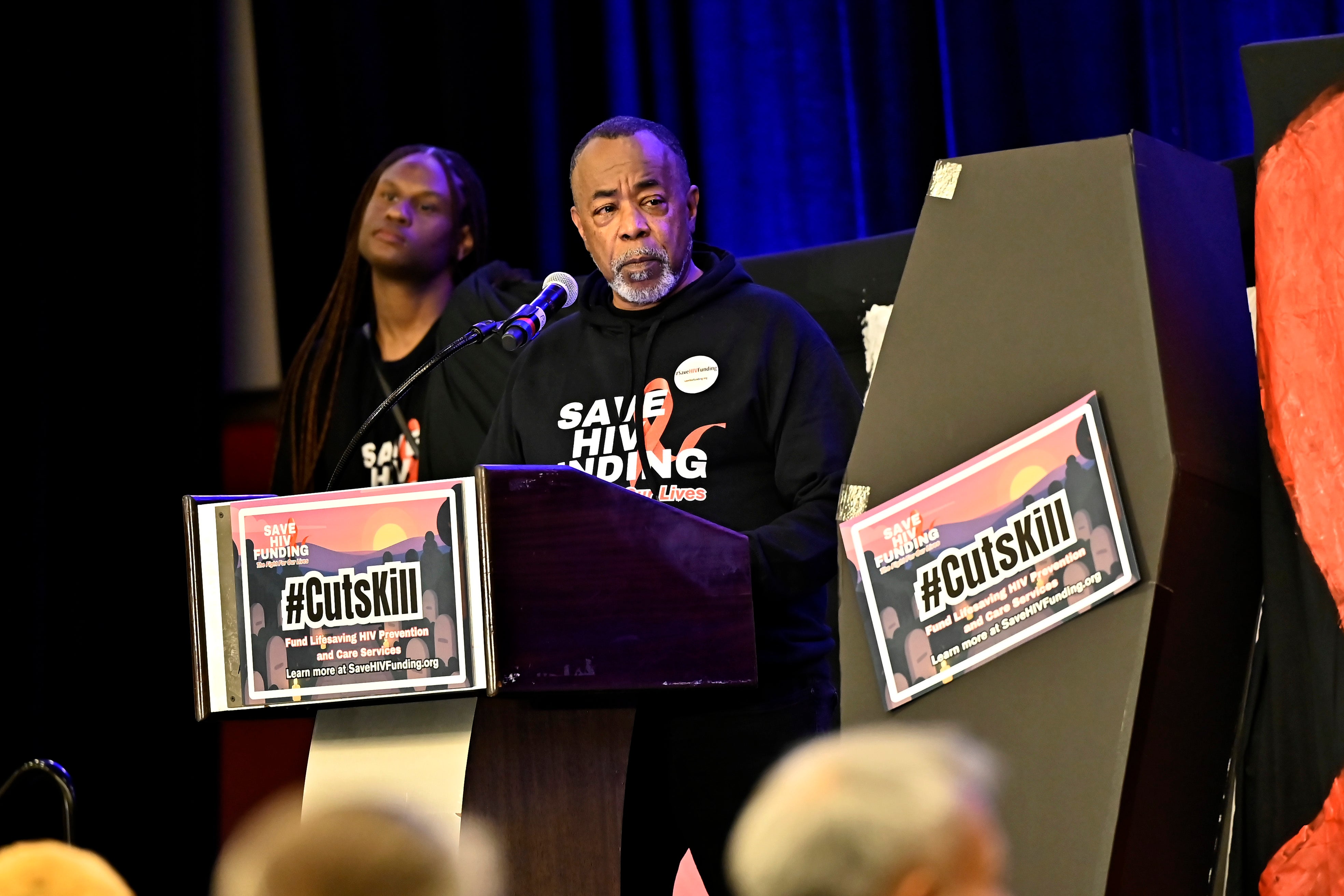
The Save HIV Funding Campaign said Monday that without these resources, many more generations of Americans will live with HIV.
That’s “a far cry from the first Trump Administration that called for ending HIV in the U.S. by 2030,” the campaign pointed out.
How many people have been killed in the US-Israel war on Iran?
Iran mediators ‘reject temporary ceasefire’ after receiving new plan to end war
Oil back above $110 as Asian markets react to Trump’s expletive-laden threat to Iran
Less than half of US adults meet federal standards for aerobic physical activity
A lesser-known virus that can cause fatal diarrhea is surging in California
Why doctors are striking this week as Streeting says NHS is ‘at risk’