Hitachi Ltd. decided at a board of directors meeting on Thursday to freeze its construction of two nuclear reactors in Britain, a move that will result in about 300 billion yen in losses on its consolidated accounts for the business year ending in March 2019.
The company has not settled on a period of suspension and even considered completely withdrawing from the project. The Japanese government must now review its nuclear power strategy following the recent collapse of major export projects.
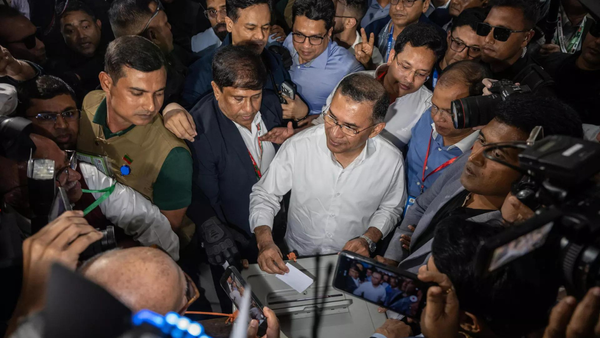
"We made a decision so as not to carry over any risks to the future by postponing a final decision. We won't be able to make further investments," President and Chief Executive Officer Toshiakai Higashihara said at a press conference at Hitachi's headquarters in Tokyo.
As of the end of last September, Hitachi had spent 296 billion yen on the construction project in Britain, including capital expenditures, payroll costs and research fees. The costs would have continued to rise as long as the project proceeded.
Hitachi intends to negotiate with the British government over the project's resumption under a different framework. However, it is uncertain if a deal can be reached.
Impairment losses on assets of Hitachi's subsidiary in Britain account for about 280 billion yen of the about 300 billion yen in losses, which were calculated using international financial reporting standards. As a result, the investment will lose almost all value aside from purchases of land. Hitachi will also post about 20 billion yen in losses for cancelling contracts with clients.
As a result, the company has lowered its consolidated net profit forecast for the year from 400 billion yen to 100 billion yen.
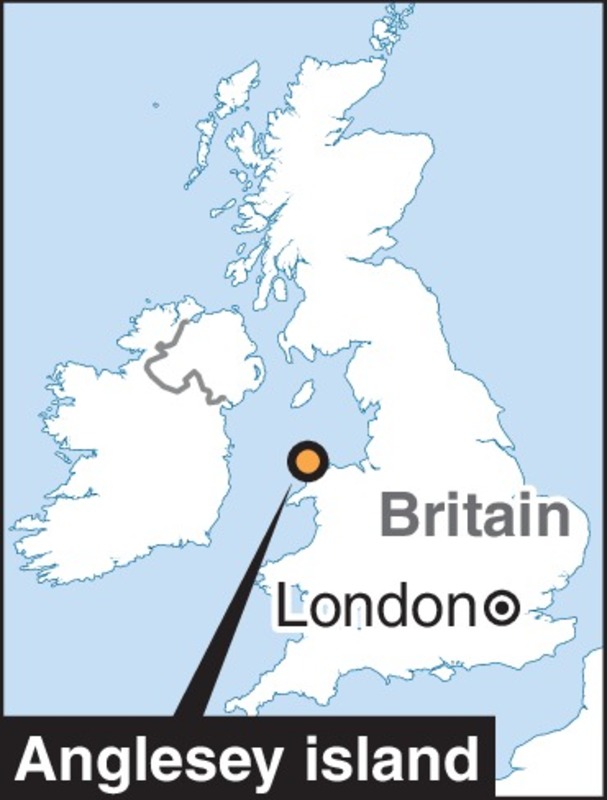
Hitachi had planned to construct two nuclear reactors on Anglesey island in central western Britain, aiming to begin operations in early 2020. The British government agreed to provide about 2 trillion yen in loans to help cover the project's over 3 trillion yen cost, with the remaining 1 trillion yen to come from Japanese and British firms and other entities.
However, Hitachi faced difficulties in securing investment from major Japanese power companies and government-affiliated financial institutions, resulting in the project's suspension.
The suspension dealt another blow to Japan's nuclear export strategy, following Toshiba Corp.'s withdrawal from nuclear exports after recording massive losses on a power plant project in the United States. Mitsubishi Heavy Industries Ltd. is likewise struggling to cope with the mounting costs of a plant construction project in Turkey.
Read more from The Japan News at https://japannews.yomiuri.co.jp/