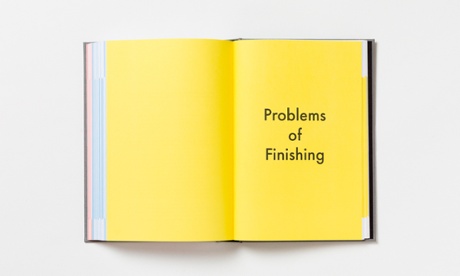
The advent of cheap, simple smartphone apps such as GarageBand, Beatwave and Figure means that it’s never been easier to make music. It also means that it’s never been harder to make music that isn’t formulaic and derivative, which is why music software powerhouse Ableton has just taken the unusual step of publishing a self-help book. Penned by its sinister-sounding “head of documentation”, Dennis DeSantis, Making Music: 74 Creative Strategies For Electronic Music Producers is not an instruction manual. Instead, it’s a series of practical tips for overcoming what DeSantis identifies as a “feeling of helplessness” faced by the budding beatmaker in a world of budding beatmakers.
His advice is relentlessly pragmatic, tentatively coaxing readers outside of their comfort zones – “stay away from 123-127 bpm; try faster (or maybe slower?)” – while also addressing specific quandaries, such as how to make your rhythms sound “looser”. But what the book can’t tell you is how to imbue your music with the magical X factor that lifts it above a functional level and makes people want to take their clothes off on the dancefloor.
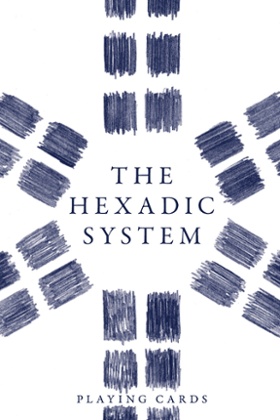
For guitarists, the situation is even more acute. Without recourse to a near-infinite sample library, you’re basically stuck with the same setup wielded by every six-string bandit since Eddie Cochran. Hence why avant-folker Ben Chasny of Six Organs Of Admittance has recently invented a new, chance-based system for guitar composition called Hexadic, using an ordinary deck of cards – much like Brian Eno and Peter Schmidt’s fabled 1970s Oblique Strategy cards, which were devised in order to force musicians to think outside the box. By surrendering your muse to the turn of a card, you’re certainly likely to create something original; whether it will be in any way listenable is open to conjecture. Chasny’s own new album, also called Hexadic and composed using the system, is what might be politely termed “challenging”.
Perhaps originality is overrated anyway. Surely the wisest musician’s guide ever written is The KLF’s 1988 The Manual (How To Have A Number One The Easy Way). “There is no lost chord,” it reveals. “No extra notes to the scale or hidden beats to the bar. There is no point in searching for originality.” Instead, it advises mashing-up a couple of pre-existing hits and spending most of your budget on a good radio plugger. It’s also honest enough to acknowledge that genuine musical inspiration is fleeting and can’t be explained, let alone taught. The sad truth is that if you’ve resorted to buying Ableton’s book, you’re probably never going to have it.
The Hexadic System book and cards can be bought from dragcity.com; Making Music: 74 Creative Strategies For Electronic Music from makingmusic.ableton.com