What would you do if you found out your husband had been sending inappropriate messages, and requests for pics, to one of your teenage grandchildren? Would you call the cops? Cut him out of your life? Or side with him?
A woman says she’s is livid that her mother-in-law has chosen to remain with a man who has been described as a “creep,” and she’s worried for the safety of her own child. But for some reason, her husband doesn’t seem as concerned. When the woman drew a line in the sand, and banned her MIL’s partner from their home, a crying fit followed. And now, divorce papers could be next…
When the family found out he’d been sending dodgy messages to one of the teenage grandkids, many cut contact

Image credits: alexlucru123 / envato (not the actual photo)
But his wife is sticking by his side, and seemingly choosing him over her own kids

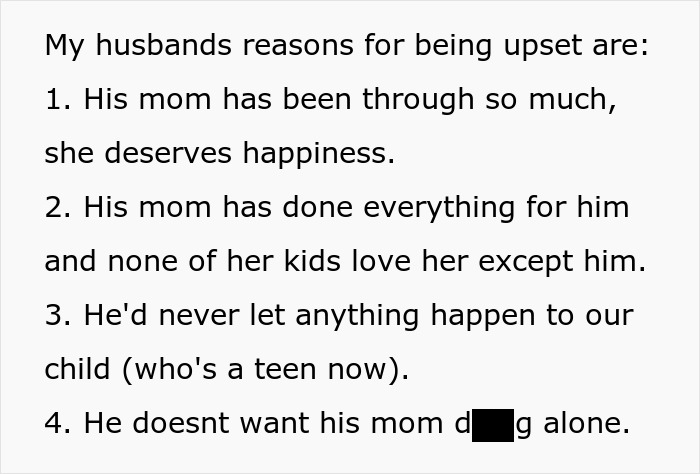
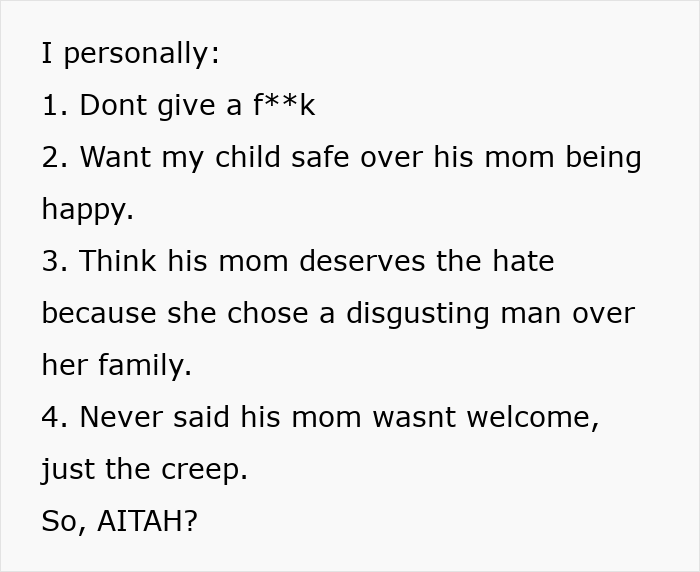

Image credits: lucigerma / envato (not the actual photo)
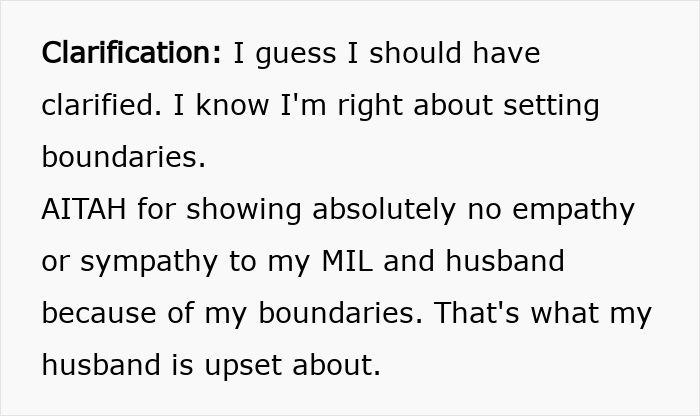
Image credits: Striking-throwaway95
She gave more info after concerned netizens raised a number of questions
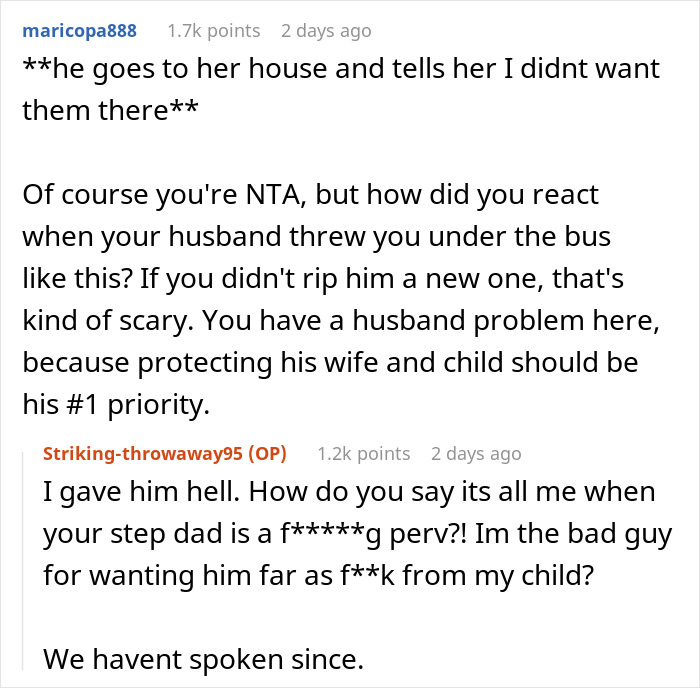
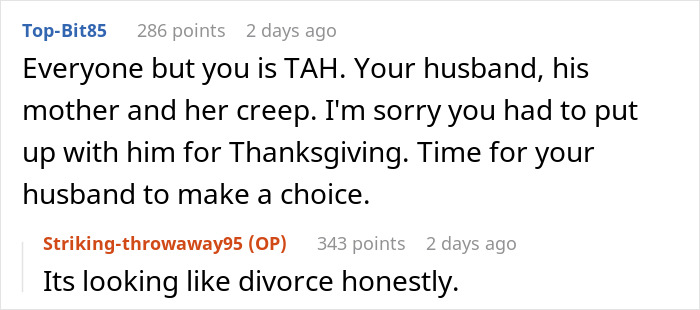
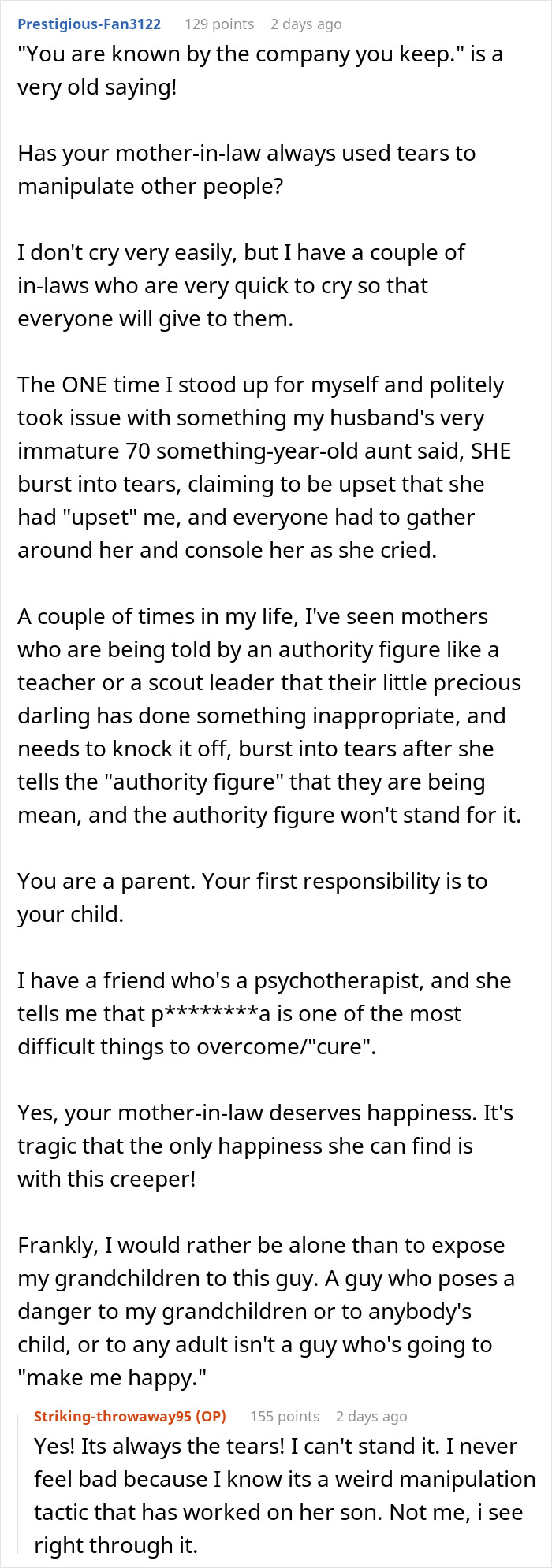
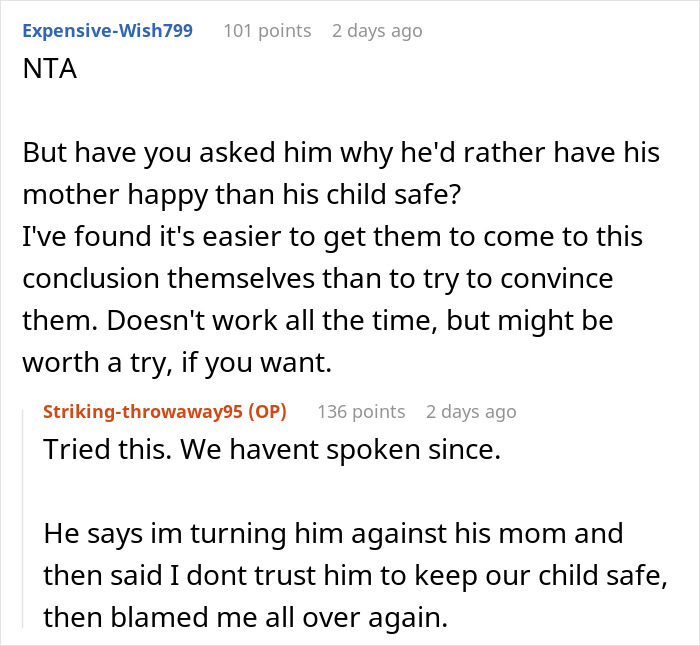


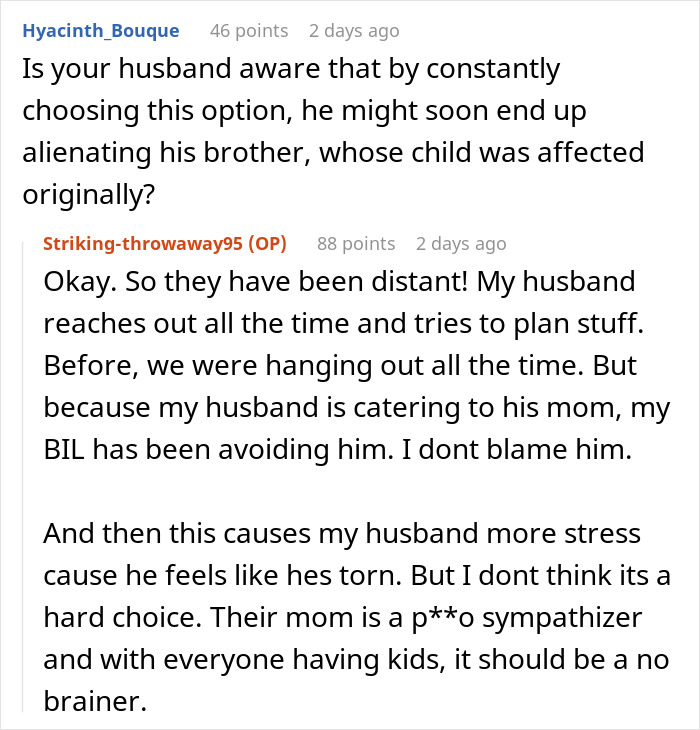
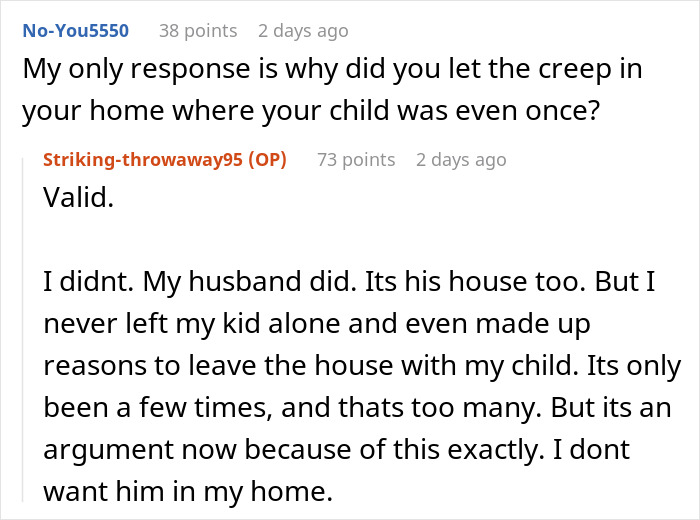
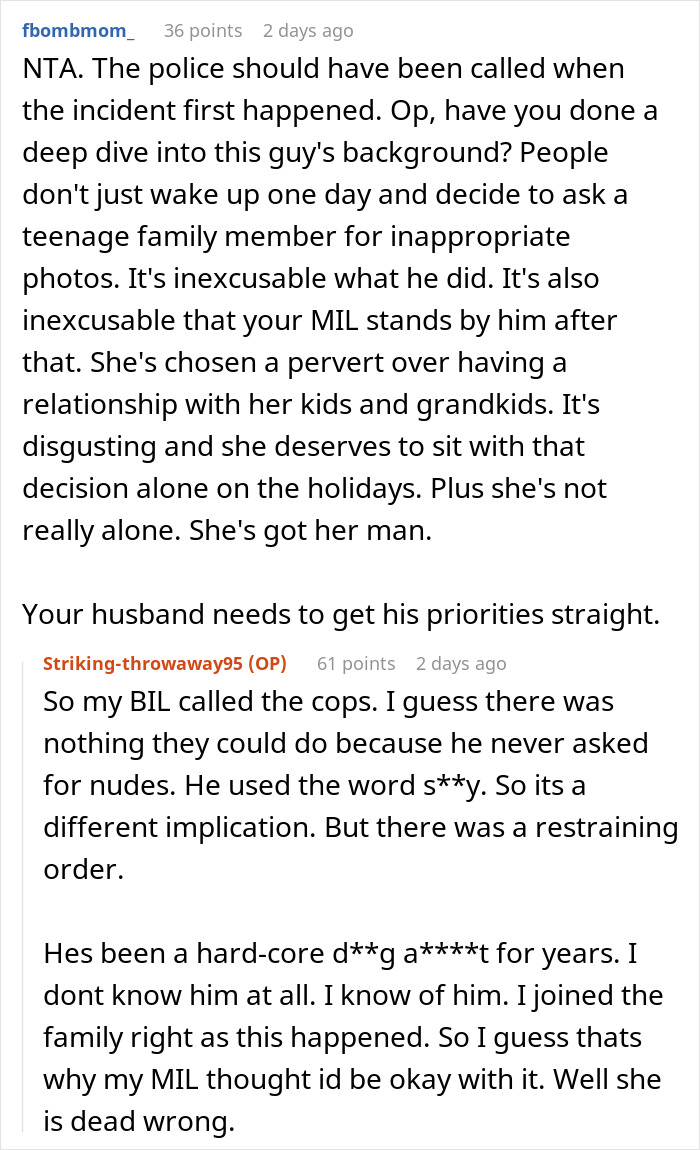
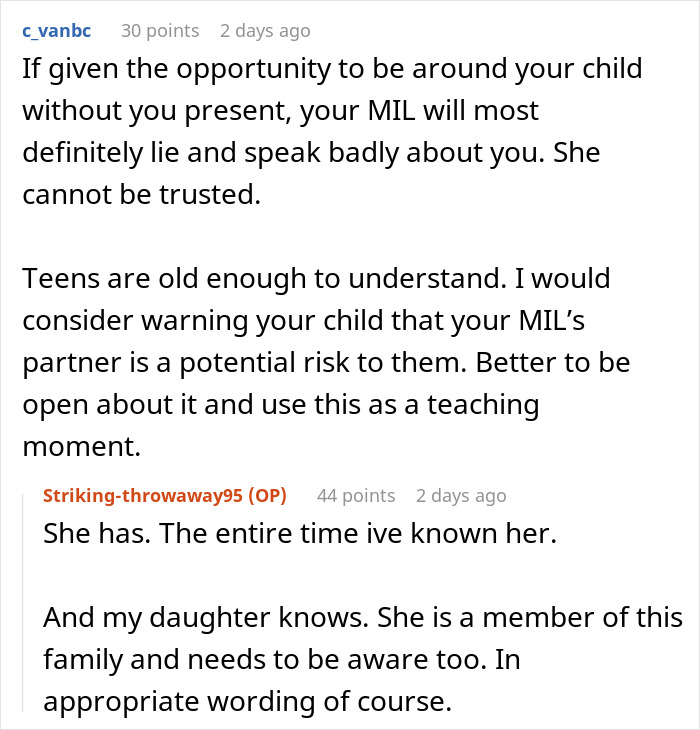
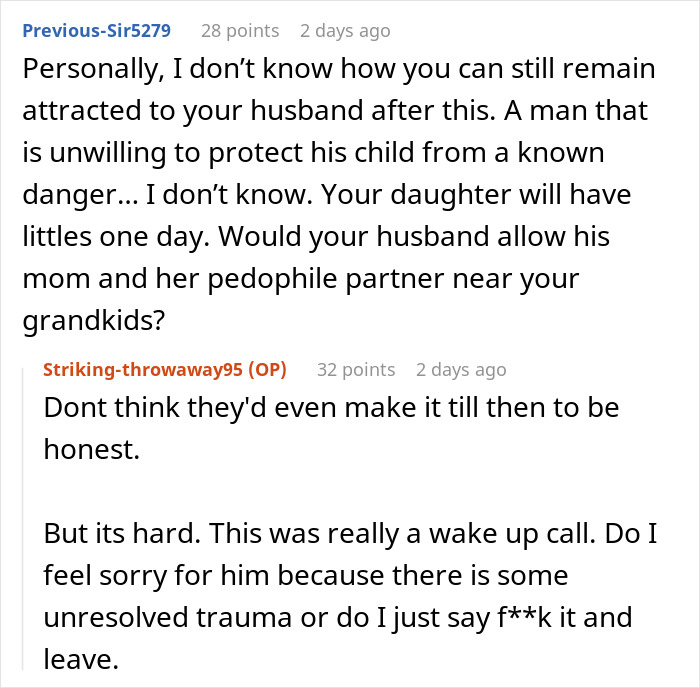
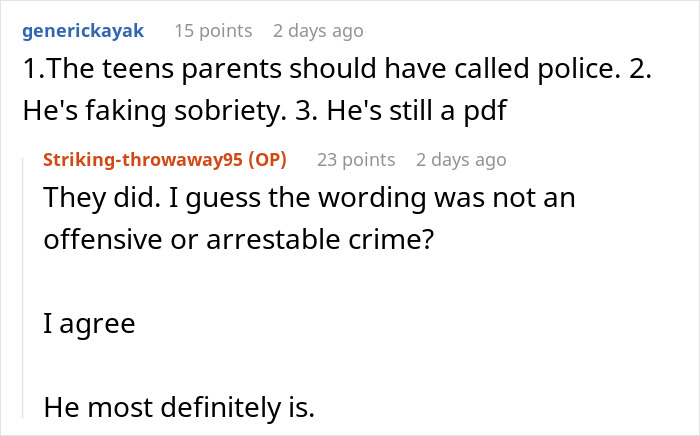
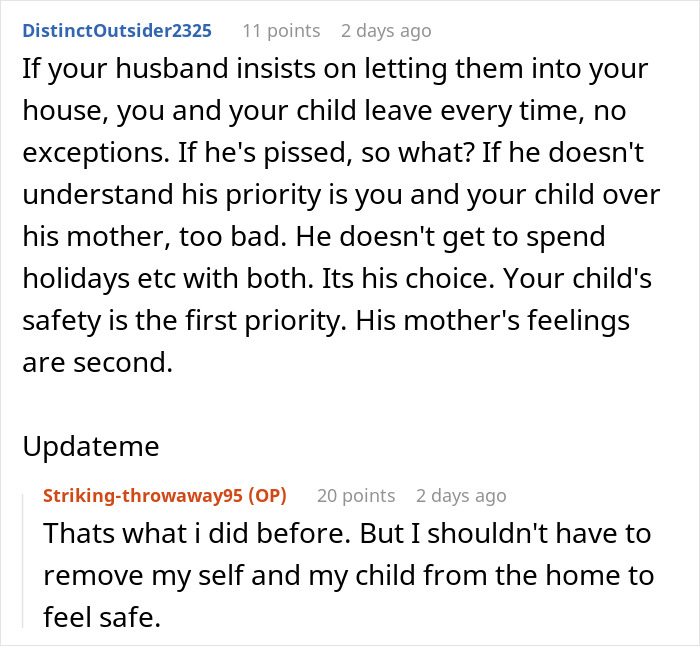
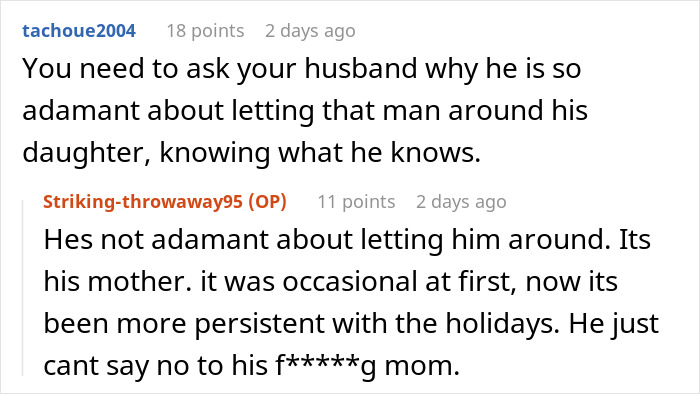
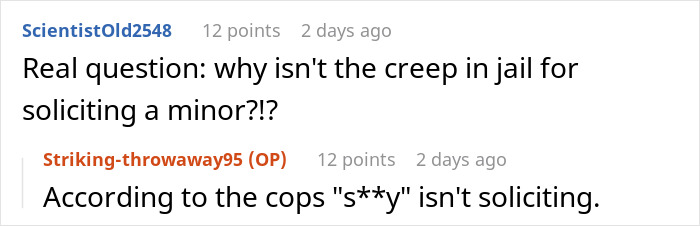
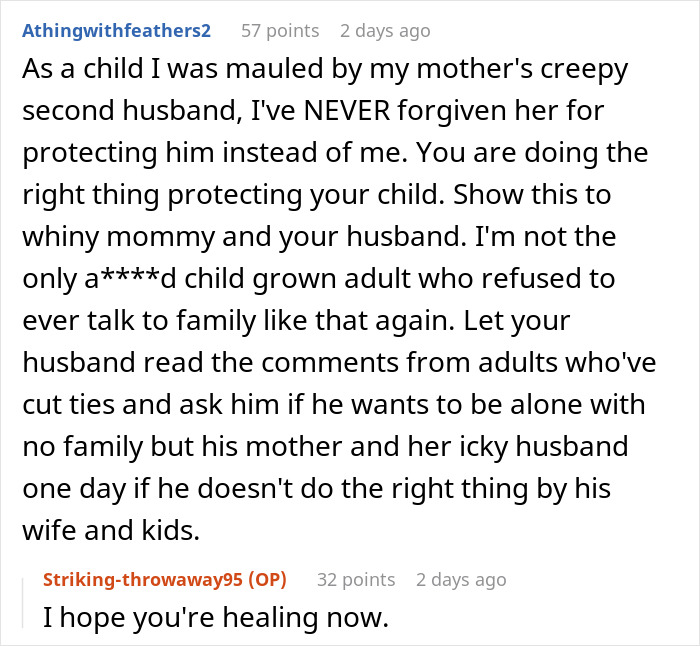
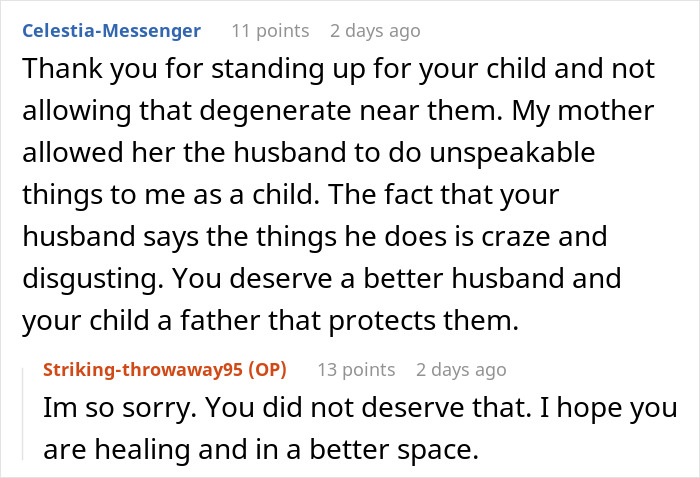
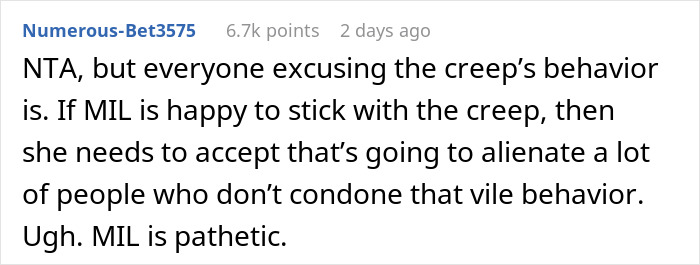
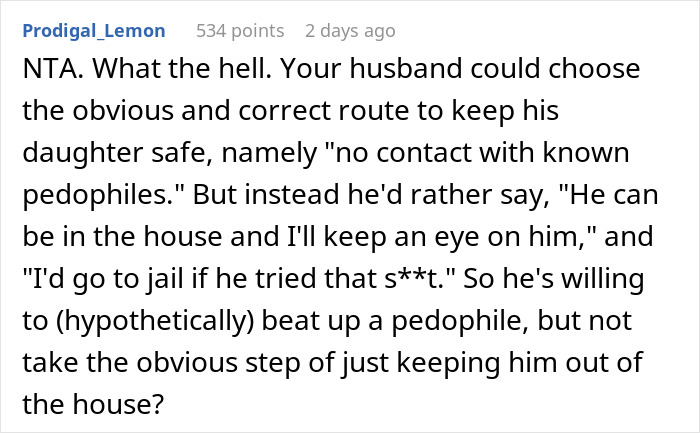
Many sided with the wife and some even had some similar stories of their own





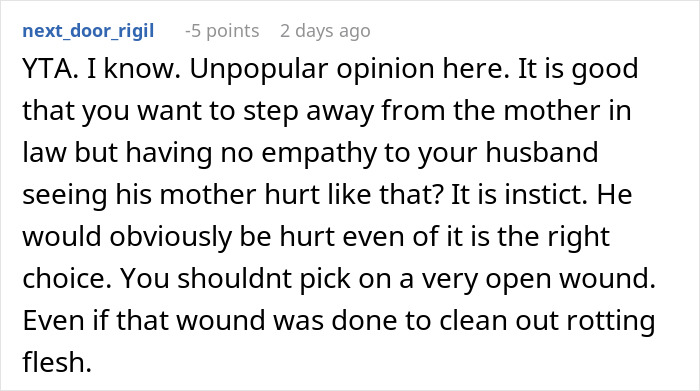
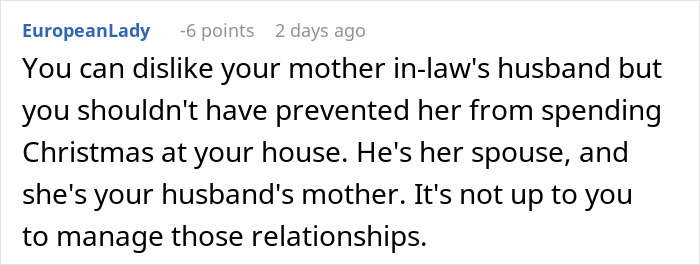
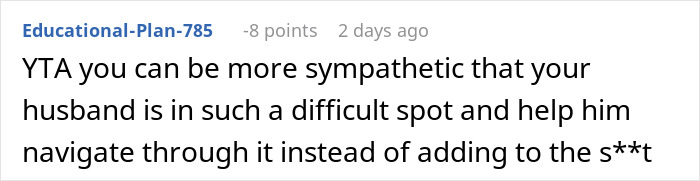
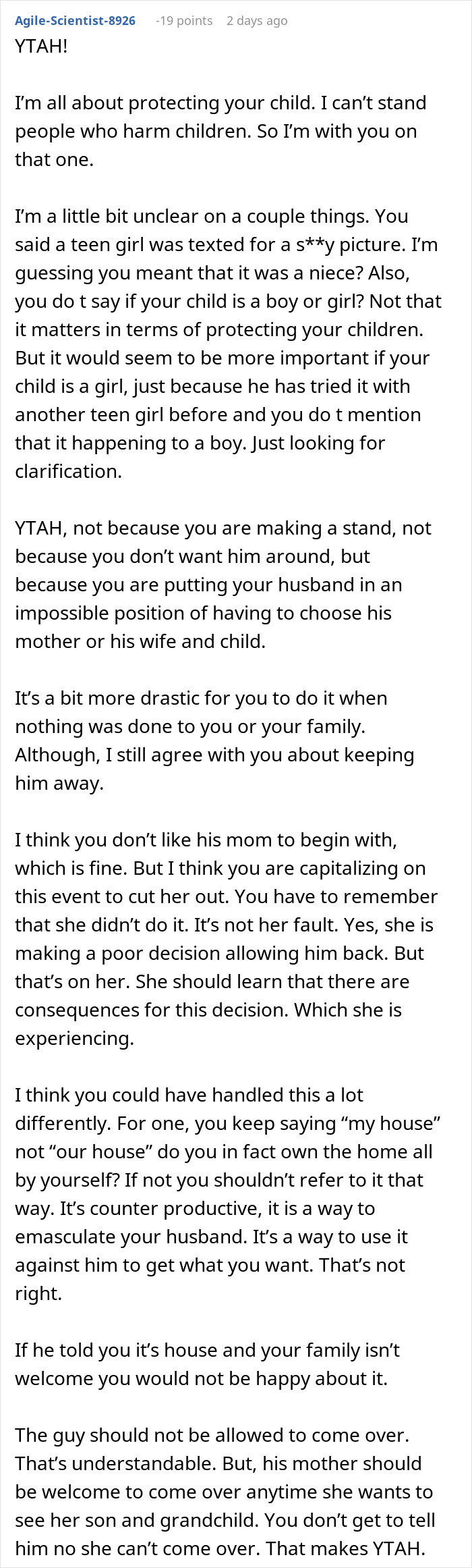
Some people felt the woman was unfair in how she dealt with the situation
Teach your kids how to deal with unsolicited requests for intimate images from a young age
Experts say it’s vital that parents teach their children, from a very young age, what to look out for, and how to deal with inappropriate requests for photos or videos. This applies to both boys and girls, and you should start having these conversations when they’re around 8 or 9 years old.
According to the Happy Families site, most unsolicited requests for intimate images follow a typical pattern. Someone the child trusts will start by asking seemingly innocent questions like “where are you?” or “what are you wearing?”
“These move on to more leading questions (are you alone? what is underneath that?),” adds the site. “Requests are made. If refusal follows, there will often be guilt induced through emotional manipulation, and in some cases this can lead on to threats being made against our child if they continue to say no.”
The aggressor might even make threats against themselves in a bid to guilt-trip the child into sending the content.
The experts warn that often, a child won’t realise something is wrong until it’s too late. Studies have found that as many as 60 percent of teens will send or receive intimate pics, sometimes starting as young as age 9.
If someone approaches your child for inappropriate images, or sends them, there are two important steps they need to take. Firstly, you should tell them to keep the evidence. And secondly, they must tell you or another responsible adult they trust what has happened.
“Researchers have discovered that too many children delete the evidence so they won’t get in trouble, and keep the incident secret,” reveals the site, adding that this helps no one, and can even endanger others.
The Happy Families team stresses that parents should never keep any evidence on their own phones, as they could be held legally liable for the images and might even face criminal charges.
“Divorce or therapy”: the woman later revealed that she’d made a decision