LUCKNOW: In the dingy confines of a cell in UP's Barabanki district jail, Rakesh Kumar and Javed Khan share more than just the few square feet that echo their loneliness, despair and occasional stirrings of hope.
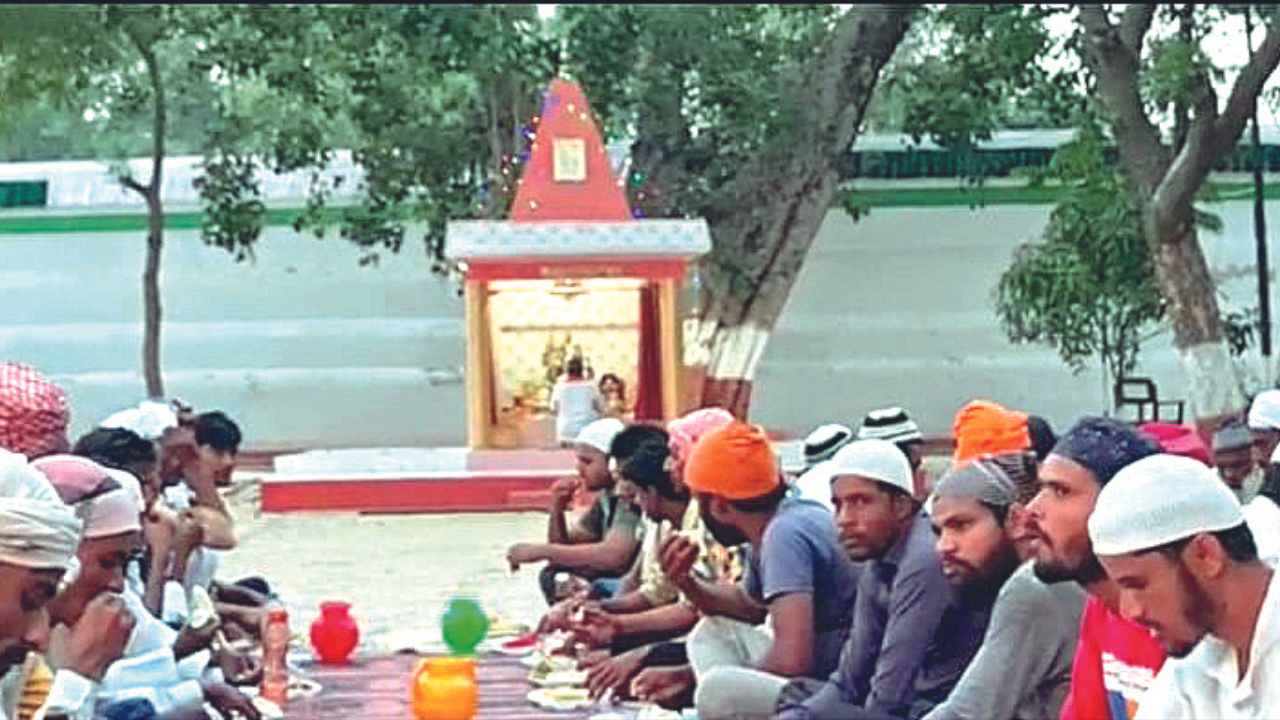
This Ramzan, a 50-year-old jail tradition born of Awadh's famous "Ganga-Jamuni tehzeeb" has helped strengthen their bond in ways alien to those imprisoned in conflict.
"I wanted to make my cell mate feel as close to home as possible; so I have been fasting along with him. I had observed roza last year, too, with a fellow prisoner named Saleem," said Rakesh, who is serving time for theft.
For Hare Ram, an accused in a dowry case, fasting along with Muslim prisoners or joining them at Iftar goes beyond religion. "It symbolises belief in our culture and the unity of our religions. Muslims are not different; they are part of us, and we have to co-exist in the same cultural milieu," a jail official quoted him as saying.
Dinesh Kumar, an accused in a robbery, said Ramzan fasting had been a learning experience for him so far. "It disciplines your body, makes you introspect and helps you build a habit," he said. Akbar Ali, standing trial for fraud and theft, said he couldn't be more touched by what fellow prisoners from the Hindu community were doing. "We feel proud to have set an example of communal harmony. We have befriended so many Hindus, and the environment inside the jail has become peaceful and harmonious."
Jailor Alok Shukla said the tradition owes its origins to two men - a Hindu and a Muslim - who were inmates of the jail around five decades ago. "It isn't documented exactly when Hindu prisoners started fasting during Ramzan. What we know is that the duo who started it belonged to Dewa."
Barabanki district jail has around 1,400 prisoners at present, of whom 250 Muslim inmates are fasting for the entire month. They have been joined by 15 Hindu prisoners. "We provide dates, milk and tea to the prisoners at the time of Sehri and Iftar. Delicacies like kheer and sewaiyaan are part of the spread. The Hindu prisoners who fast throughout the day wake up along with the Muslim inmates for Sehri at 3am," said jail superintendent H B Singh. "We promote such gestures as it helps develop communal harmony among inmates and a sense of respect towards each other."