Victim-survivors of domestic violence might now be able to use secret recordings of admissions of abuse to seek safety after a major High Court decision.
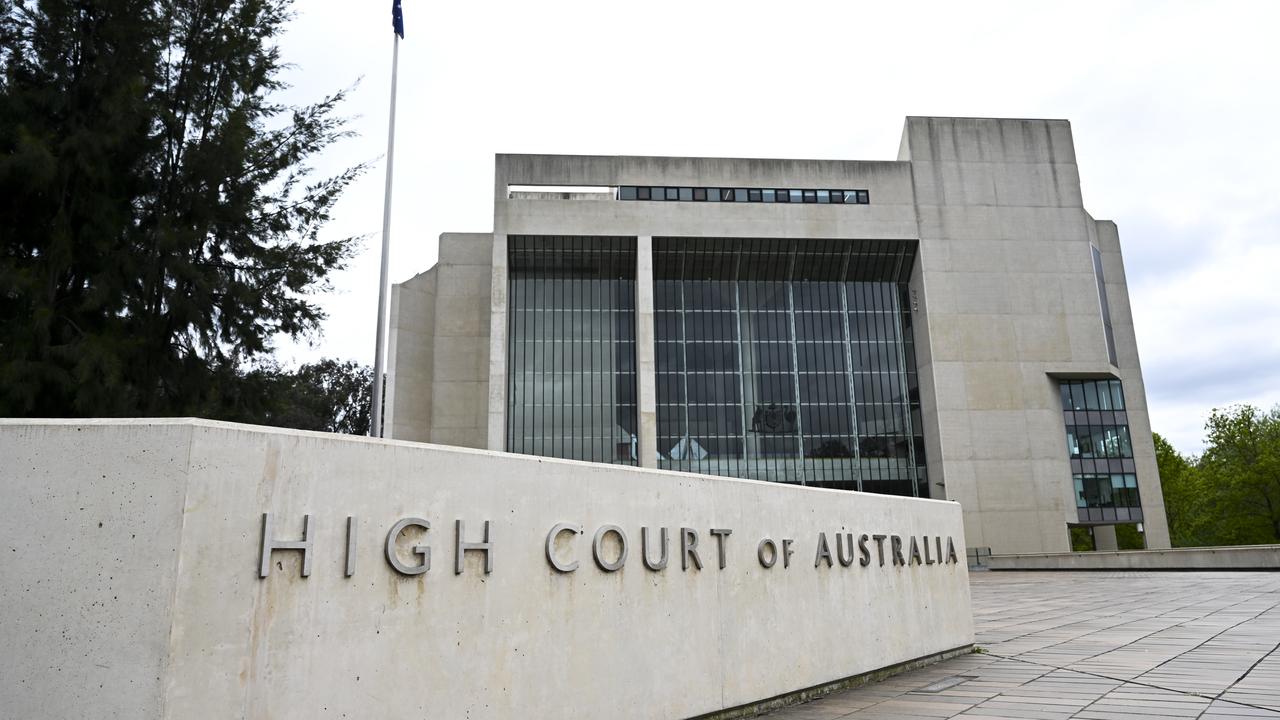
Australia's highest court on Wednesday dismissed an appeal from a man convicted of raping his wife while she slept on two occasions.
He had argued a recording of him admitting to the first rape was obtained illegally.
While most recordings of private conversations are illegal, the High Court found the recording was allowed and able to be used as evidence because it was necessary to protect the victim's "bodily autonomy and integrity".
"The covert recording was the reminder to the complainant, by replaying it to herself, to avoid being exposed to the real risk of being raped," the court said in its unanimous judgment.
"The interest of a person in not being raped is an interest deserving of the very strongest protection."
The man, known by the pseudonym Potter, was found guilty in South Australia of raping his sleeping wife on two occasions while the jury could not reach a verdict on two further counts.
A month before the last rape, his wife recorded a conversation on her phone where she confronted Potter about the attacks and he admitted to doing them.
The woman gave evidence that she made the recording to "convince myself never to go back to him no matter what happened".

Protecting the rights of victim-survivors to record - and use as evidence - confessions of abuse inflicted on them is a major milestone for domestic violence law in Australia, legal expert Heather Douglas said.
"The decision is important as it explicitly recognises that a lawful interest includes a right of bodily autonomy and integrity in the context of recordings," Professor Douglas told AAP.
"Domestic and family violence is a violation of bodily autonomy and integrity."
The influence of the High Court's decision could extend beyond criminal cases, potentially allowing for similar recordings to be used in protection applications, Prof Douglas said.
However, it remains to be seen how far courts will allow secret recordings to be used to as evidence against less obvious forms of abuse.
"Much of the most damaging domestic and family violence is non-physical, such as coercive control, and this form of abuse impacts autonomy," Prof Douglas said.
"I would hope the understanding extends to that."
The husband is serving a nine-and-a-half-year prison term.
1800 RESPECT (1800 737 732)
Lifeline 13 11 14
Men's Referral Service 1300 766 491