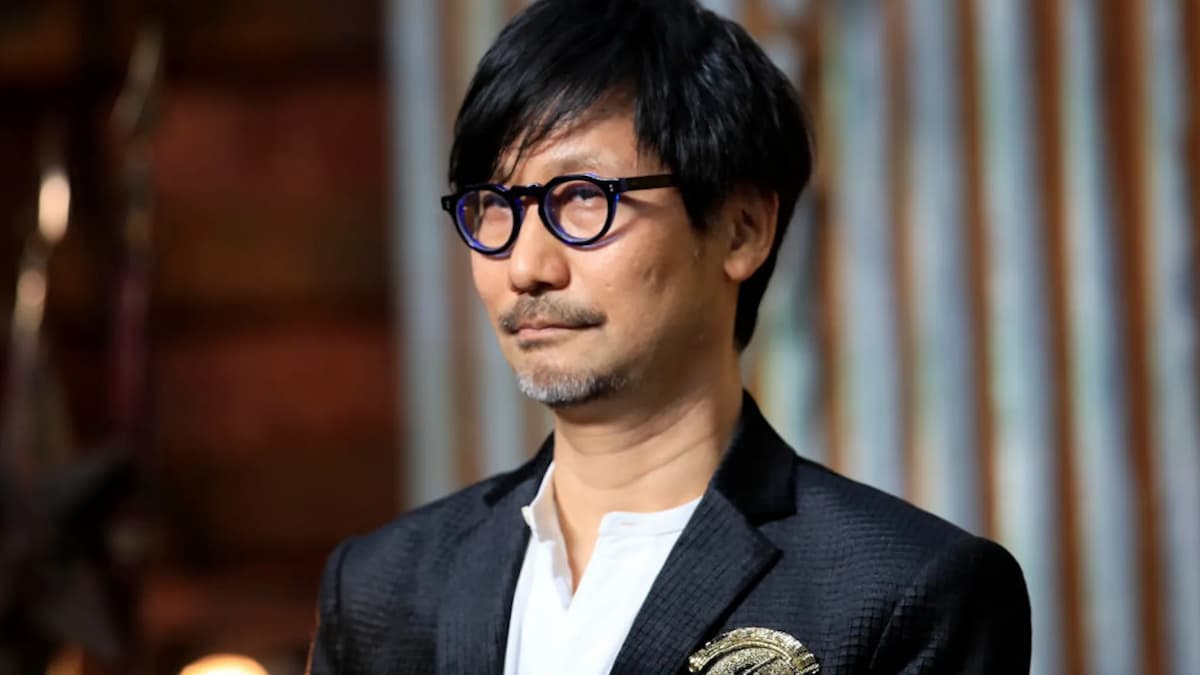
In another episode of major internet feuds, a fan photo of Hideo Kojima and Italian cartoonist Zerocalcare quickly spiraled into major controversy and online chaos. What appeared to be a casual meeting between two creators instead became a flashpoint for political debate, showing how easily art and global sensitivities can collide online.
If you’re wondering what exactly went wrong, this explainer has everything you need to know.
Hideo Kojima, Zerocalcare fan photo controversy explained
The controversy began when Hideo Kojima posted a fan photo he had taken with Zerocalcare at Lucca Comics & Games 2025. In the now-deleted image, Kojima was seen holding “Kobane Calling,” Zerocalcare’s acclaimed graphic novel about the Kurdish resistance in Syria, which narrates his experiences with YPG fighters on the Syrian-Turkish border.
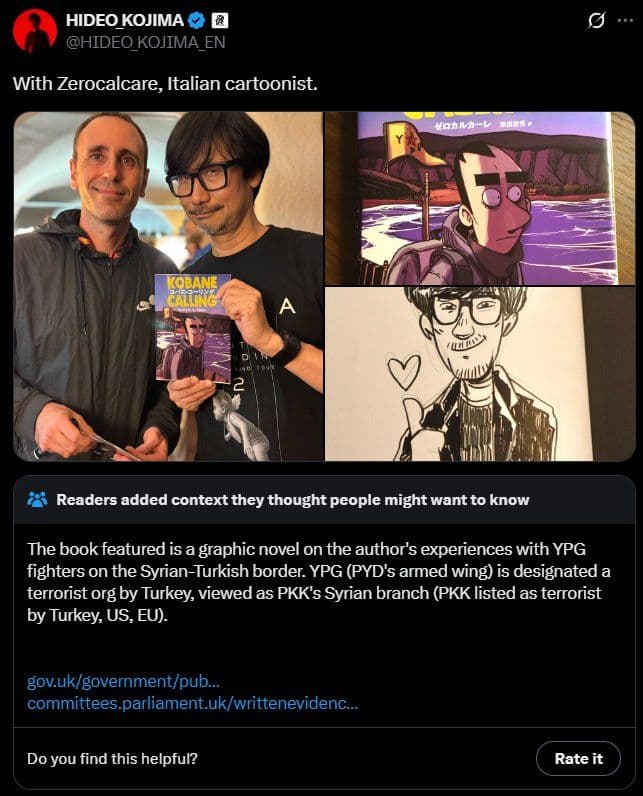
Now, here’s where things went wrong: The YPG, PYD’s armed wing, is designated a terrorist organization by Turkey. It’s considered the Syrian branch of the PKK, which in itself is listed as a terrorist group by Turkey, the United States, and the EU.
While the photo seemed harmless to unaware fans, Turkish media and social platforms erupted in backlash and accused Kojima of promoting the controversial book and endorsing groups linked to the PKK. The designer reportedly received death threats online and eventually deleted the post without comment, which fueled further speculation.
Zerocalcare later clarified, in a quirky Instagram post (translated), that Kojima had picked up the book just for the photo, and that neither had any intention of promoting the book or its contents in any form.
Most recently, the official X (formerly Twitter) account of Kojima Productions released a more definitive statement, stressing that both the company and the designer had no “prior knowledge or understanding” of Zerocalcare’s “works or political positions” and that there was “no intention to express agreement with, or support for, any particular stance or opinion.”
“In light of certain misunderstandings that have arisen in some media reports and on social networks, we would like to take this opportunity to accurately convey the facts,” the statement concludes.
Many fans sympathized with Kojima’s situation, but others found it hard to ignore the irony that the same man who idealized the iconic Kurdish character Sniper Wolf in Metal Gear Solid now wants nothing to do with a real-world moment linked to Kurdish resistance.
Needless to say, it’s a reminder that while art can safely explore the world’s conflicts in fiction, such narratives can unravel quickly when confronted by reality.