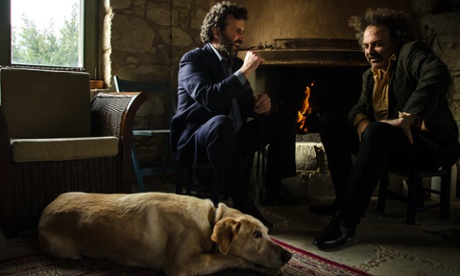
Xylouris White: Goats
(Other Music)
The nuance to grasp about this unlikely collaboration between Cretan lutenist George Xylouris and cult Australian drummer Jim White is that neither man’s instrument normally sings lead. In bands like Dirty Three, White has subtly turned his kit into a star attraction; Xylouris, meanwhile, comes from deep within Greek tradition but toys with it. On this expansive instrumental album the two trade tidal surges, sparring or supporting as needed. Fugazi’s Guy Picciotto produces. Kitty Empire
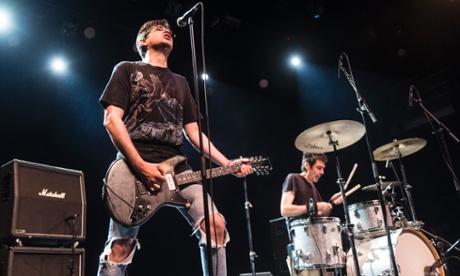
Shellac: Dude Incredible
(Touch and Go)
By now, fans know what they’re getting from veteran trio Shellac: taut, interlocking bass, drums and guitar whose ratio of insistence to silence varies over a number of sculpted tracks. This latest dose of dry anomie, coming seven years after Excellent Italian Greyhound, is leaner than usual. Masculinity – fighting, fucking etc – remains an ever-present theme. The title track follows some warring comrades, one two-minute track is called You Came in Me, and three songs examine the role of surveyors. KE
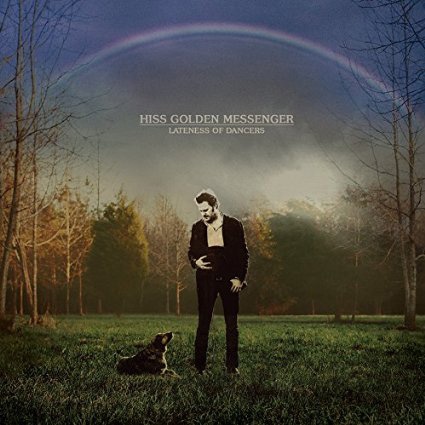
Hiss Golden Messenger: Lateness of Dancers
(Merge)
There really isn’t a duff track on this fifth Hiss Golden Messenger album, a restless, questing dose of mellifluous Americana. Southern Grammar sent jaded old David Letterman into raptures when the full Hiss band performed it on Saturday Night Live, but on songs such as Mahogany Dread, MC Taylor examines self-deception, the pain of love and the reward of cutting loose on the weekend. KE

Beatrice Eli: Die Another Day
(Razzia)
Like Sia and her fellow countrywoman Tove Lo, Swedish newcomer Beatrice Eli isn’t afraid of making unapologetically frank and emotionally raw pop. Her debut album careens between sexuality (Girls graphically details fantasising about, well, girls), masturbation (the Charli XCX-esque Party in My Pants), bittersweet breakups (The Last Time) and pure joy (the fizzing electro of Moment of Clarity), all tied together by the palpable rush of uncontrollable emotions. Gloriously messy but melodically tight, it’s further proof that there is still a place for personality in pop. Michael Cragg
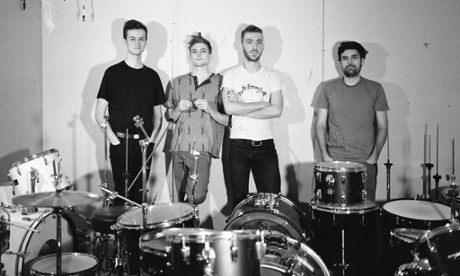
Ought: More Than Any Other Day
(Constellation)
A Montreal-based four-piece influenced by the rhythms of Talking Heads, Sonic Youth’s off-kilter melodies and the Velvet Underground’s drones, Ought’s debut, released in April, stood out thanks to Tim Beeler’s observational lyrics and half-spoken/half-sung vocals. Indeed, it would take a flinty heart not to get caught up in the joie de vivre of Today, More Than Any Other Day, wherein his enthusiasm for life even takes in being “excited to go grocery shopping”. Elsewhere, opening track Pleasant Heart is pushed on by a brilliantly lurching, off-balance momentum. Impassioned, adventurous and thoughtful, it makes for a fine debut. Phil Mongredien

Objekt: Flatland
(Pan)
When Aphex Twin dropped his long-awaited Syro in September, some lamented that it wasn’t the glimpse into the future of electronic music they’d been anticipating. Released a month later, this debut album from Objekt (aka TJ Hertz, a British techno producer based in Berlin) amply fulfils that brief. Darkly atmospheric, crafted with extraordinary attention to detail, Flatland twists classic electronic influences into new and imaginative shapes. Tracks such as First Witness sound like they were recorded in a different dimension on equipment that hasn’t yet been invented. Killian Fox
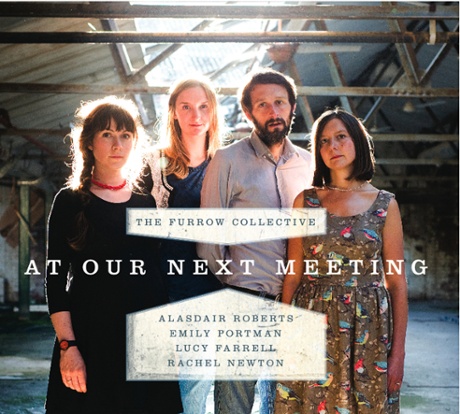
The Furrow Collective: At Our Next Meeting
(Cadiz)
That each of this quartet of folk luminaries has their own way with a ballad is one of the delights of their collaboration. No one does bleak as forlornly as Alasdair Roberts, exemplified here on The Outlaw of the Hill, and no one serves up a murderous tale with the charm of Emily Portman on Demon Lover. Lucy Farrell and Rachel Newton add their own pure vocals and sparse backing. The album’s traditional songs feature the odd pastoral delight, but mostly it’s as spooky and unsettling as a midwinter day. Neil Spencer
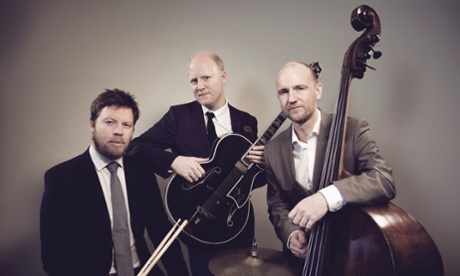
Andreas Dreier Trio: Poinciana
(Losen)
Taking its cue from the classic Ahmad Jamal trio, but with guitar in place of piano, this Scandinavian group produces a feather-light sound, with every note and inflexion meticulously judged. Most of the nine numbers are elegant old standards which could have been made for this format, but two surprising pieces by Thelonious Monk reveal unexpected beauties. The restrained dynamic only serves to emphasise the momentum and swing of the whole performance, gently driven by Dreier’s bass. An easily overlooked but exquisite miniature. Dave Gelly
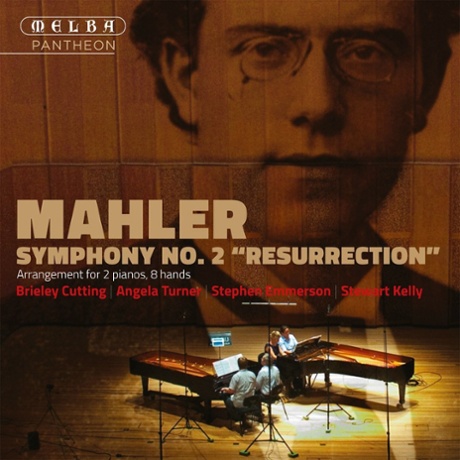
Mahler: Symphony No 2 ‘Resurrection’
Brieley Cutting, Angela Turner, Stephen Emmerson, Stewart Kelly (piano)
(Melba)
Mahler’s massive second symphony, which took six years to complete, is not so much a hidden gem as a diamond as big as the Ritz. This recording startles the ears: instead of an enormous orchestra, it has been arranged for two pianos and eight hands. The result is not merely “Resurrection” – the poem used in the symphony’s choral movement – but revelation too. Piano transcriptions, usually for two hands and one instrument, were common in the 19th century, enabling works to become better known in a pre-gramophone age. This double duet version, by Heinrich von Bocklet, was published in 1914 soon after Mahler’s death. As far as the performers know, it’s the first recording. It shines brilliant new light on this masterpiece. Fiona Maddocks
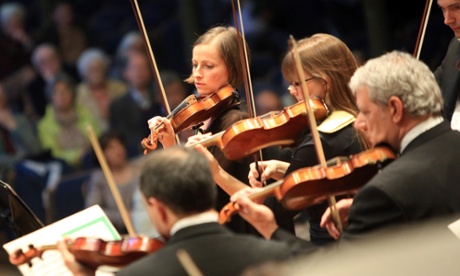
Dussek: Piano concertos
Howard Shelley (piano), Ulster Orchestra
(Hyperion)
That an orchestra under direct threat of closure in the name of so-called austerity should have produced one of this year’s most rewarding releases should shame those with the axe in their hands. Jan Ladislav Dussek (1760-1812) wrote numerous piano concertos that fascinatingly straddle the classical era and prefigure the romantic: his early works follow a Mozartian model while the later lead us on to Schumann and Chopin. Three examples are played here with sparkling fluency by Howard Shelley, who also directs the exemplary players. Stephen Pritchard





.jpg?w=600)