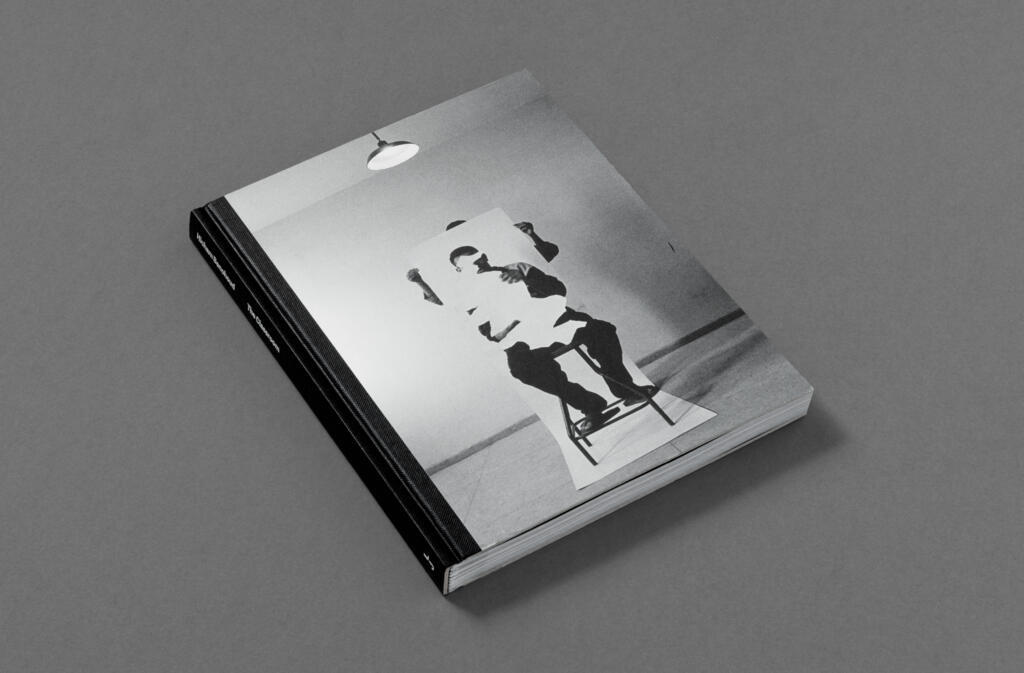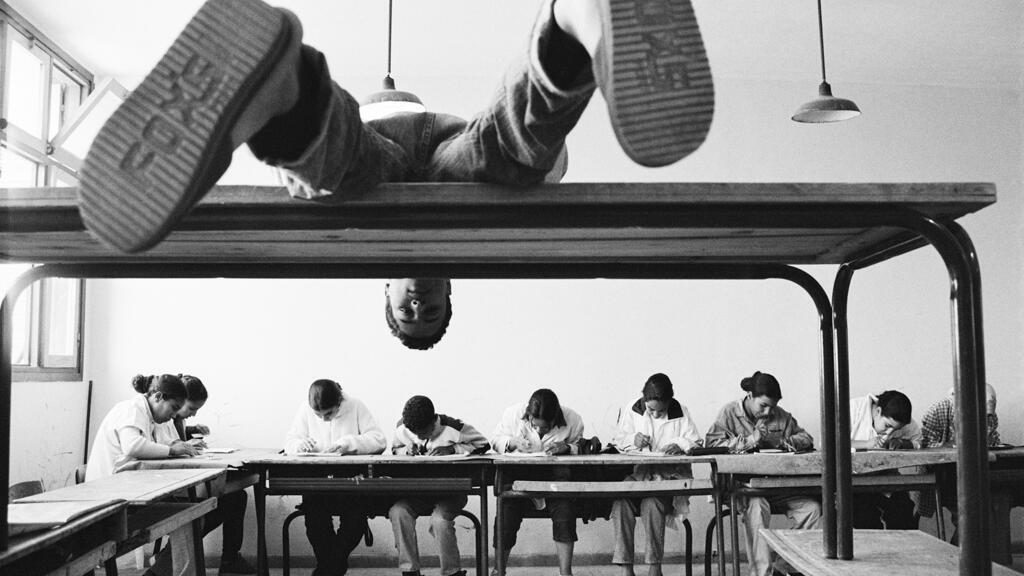
Paris – Moroccan photographer Hicham Benohoud’s book The Classroom was been awarded PhotoBook of the year at Paris Photo, the world’s largest photography fair. The book presents a striking collection of black-and-white images created while he was working as an art teacher in Marrakesh in the early 1990s.
The Paris Photo-Aperture Book Prize has been awarded since 2012 to highlight the crucial role photo books play in the evolution of photography.
This year, the prize went to Hicham Benohoud for his book The Classroom published in March 2025 by Loose Joints and was announced during the recent 28th edition of the annual Paris Photo fair.
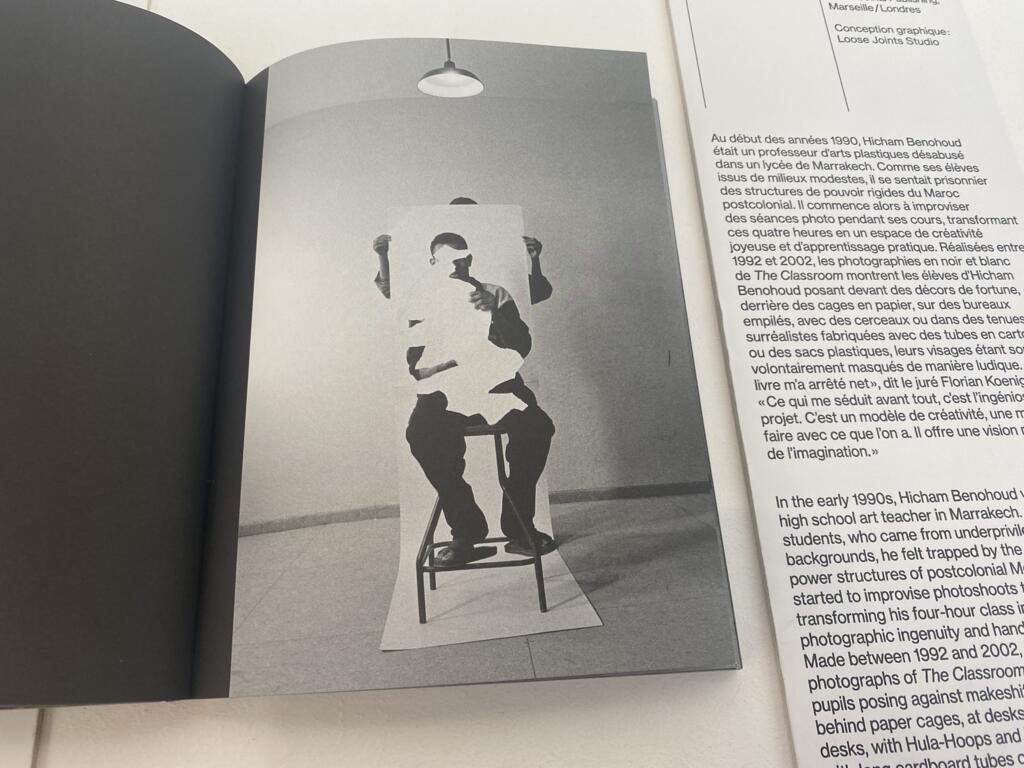
Benohoud, 57, is a Moroccan visual artist who graduated at the École Supérieure des Arts Décoratifs in Strasbourg. The photos of The Classroom were taken between 1994 and 2002 when he was then an art teacher at a secondary school in his hometown of Marrakesh.
The "models" seen in the black and white images were his own students whom he staged during class.
RFI asked him some questions shortly after the Paris Photo fair earlier this month.
RFI: What was your reaction when you heard you had won the PhotoBook of the Year award?
Hicham Benohoud: I don't normally enter photography competitions. I've been on the judging panel for several photography competitions myself and I find it complicated and tricky to award a prize to one candidate when every artist has a different sensibility. I believe it was the publishing house Loose Joints that submitted my work. It's important to remember that this award is not given to a photographer but to a photography book.
I had just gone to Paris Photo for the signing of my book The Classroom, and it was at that precise moment that the publisher announced the award to me, visibly moved. Seeing my impassive reaction, she explained that this prize is to photography what the Oscar is to cinema. It was at that moment that I realised the importance of this prize in the world of photography book publishing.
I am honoured to receive this distinction and would like to thank all the members of the jury for their courageous and, above all, unlikely choice. I also dedicate this award, posthumously, to Christian Caujolle, who recently passed away and who organised my first solo exhibition The Classroom, outside Morocco in 2001 when he was director of the Galerie VU and the agency of the same name.
RFI: Why did you start this photo series The Classroom?
HB: At first, I didn't know that photography was an art form in itself, like painting or sculpture. And far be it from me to imagine that this work would be exhibited and acquired by prestigious institutions such as the Reina Sofia Museum or the Tate Modern.
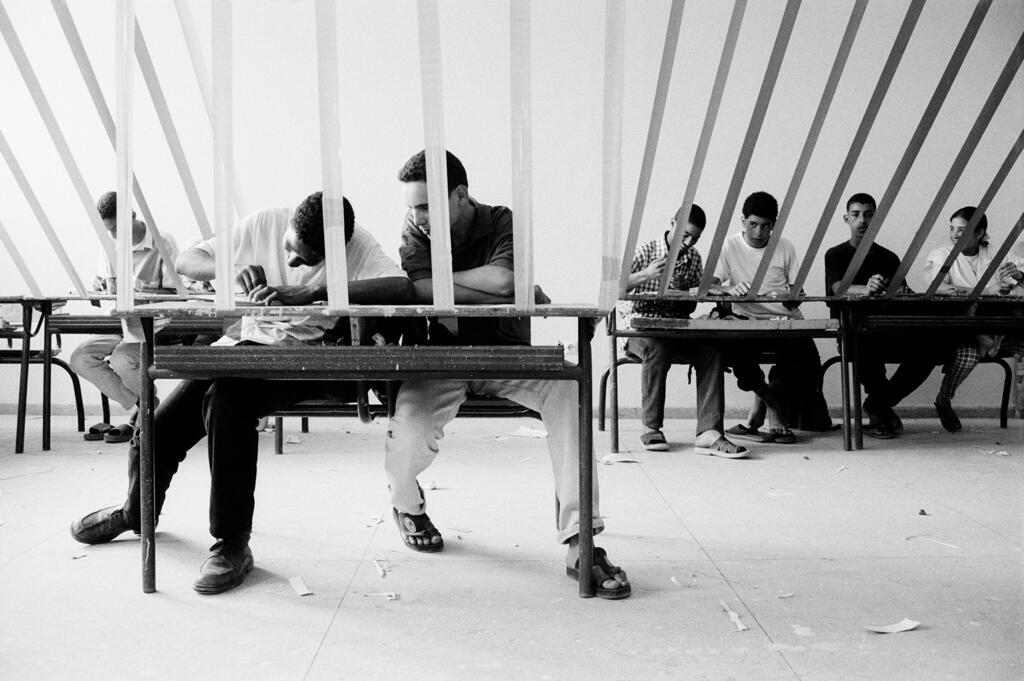
I took photos because I was bored in class and to kill time, I had set up a makeshift studio in a corner of the classroom so I could photograph my students. I taught four hours a day, either in the morning or in the afternoon, six days a week. In addition, I repeated the same lesson four times a day for an hour at a time throughout the week. I had four classes of about twenty students per day, almost five hundred students per week.
As the hours were endless, I wanted to keep myself busy in some way to break the monotony. At first, I only took portraits of my students from the front, the side and from behind. It was only when I had taken thousands of portraits that I tried to develop this work by adopting staging as a genre.
RFI: How did you come up with the composition of these images?
HB: I couldn't improvise because the one-hour class was short and I couldn't afford to ask my students to try out several ideas, especially since everything was done during art class.
I prepared all the scenes a few days before the photo shoots. Once I had an idea, I wrote it down on a piece of paper. I made detailed sketches with the approximate framing of a 50 mm lens, the perspective, the lighting, etc.
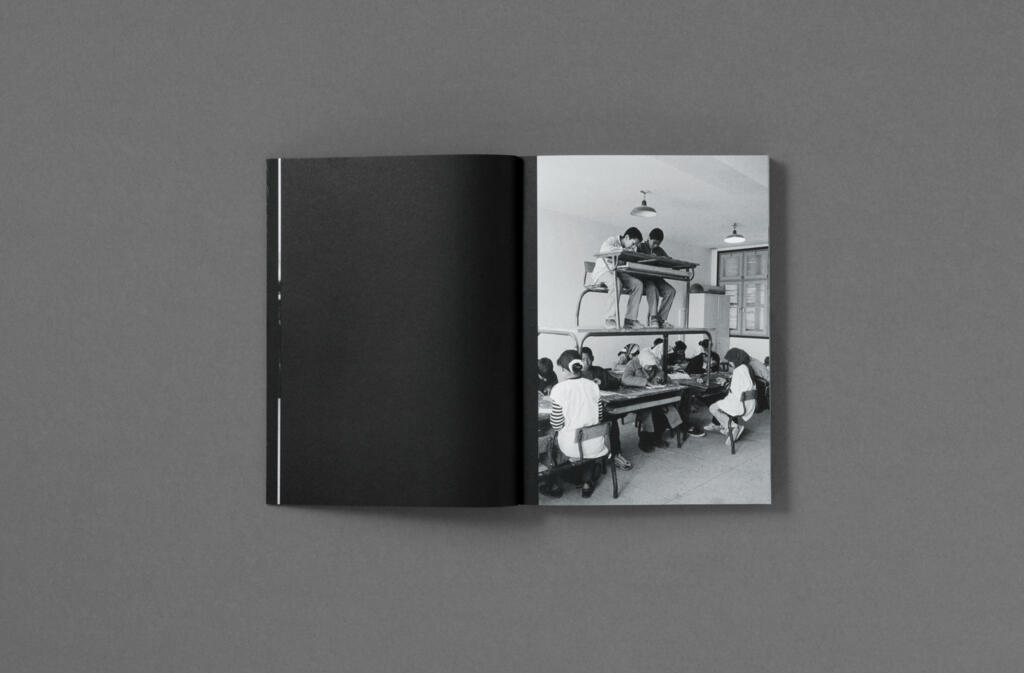
I knew in advance how many models would be posing, and I sometimes changed the layout of the tables to organise my image before each shot.
Only once my sketch was precise would ask my pupils to pose for me, following the drawing as closely as possible.
I only started taking photos ten to fifteen minutes after the start of the art class, once the pupils were busy with their colouring or drawings and didn't need me to explain the lesson.
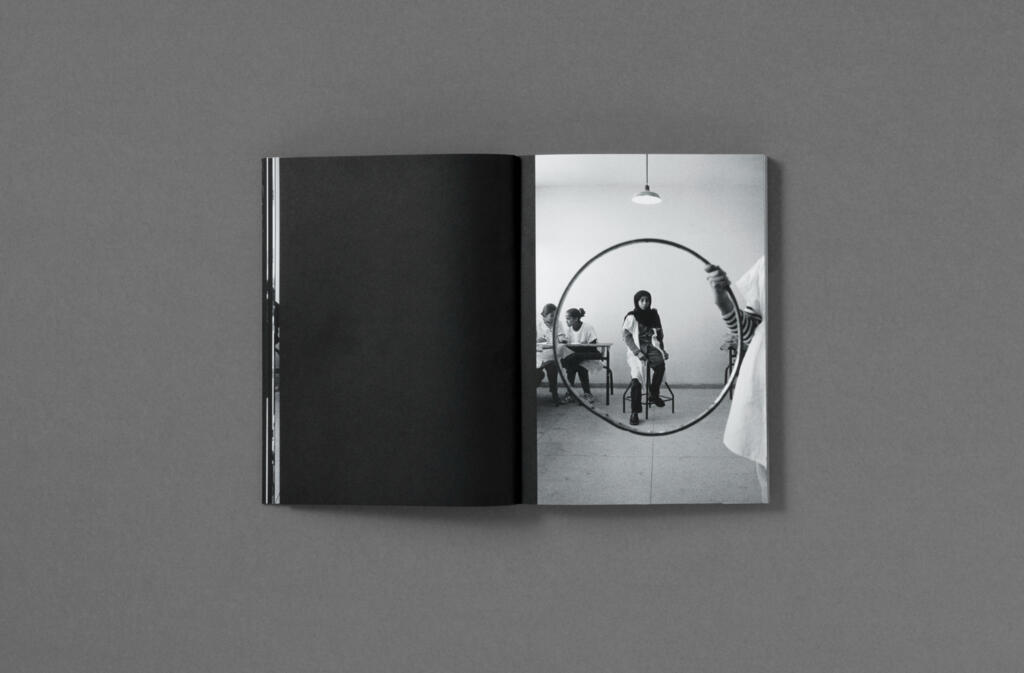
For all the scenographic devices, such as installing panels, unfurling rolls of paper, hanging string from the ceiling, etc., I did not ask any students for help. Generally, the props used came from the art storage room. I set everything up myself and once everything was in place, I brought my students into the scene before taking the photos and thanking them, asking them to return to their desks as if nothing had happened.
For the photo, I told them which posture or pose to take. I directed them like a director directs actors, but more gently.
As the process was quite restrictive, I only took photos a few days in a row each month.
RFI: How was this photo book created – the choice of photos, the layout and so on?
HB: Regarding the production of the book, I was contacted directly by the publishing house. I gave them carte blanche for the choice of photos, the number of pages, the dimensions of the book, the layout, the publication date, etc. I submitted two thousand negatives to the team and left it up to them to produce the book as they saw fit.
I admit that I was surprised by the editing of certain photos that I thought were weak, but which were selected and found their place in the book. The rhythm of the images also surprised me a lot, because I personally would have made a completely different book, smoother, in which I would have taken fewer risks.
It was in the hope of being surprised, even troubled, that I had the courage to give the publishing house complete freedom to design and produce this little book. I can see that I was rewarded for my blind trust in them, and the publishing house for the freedom and quality of this edition. To each their own profession.
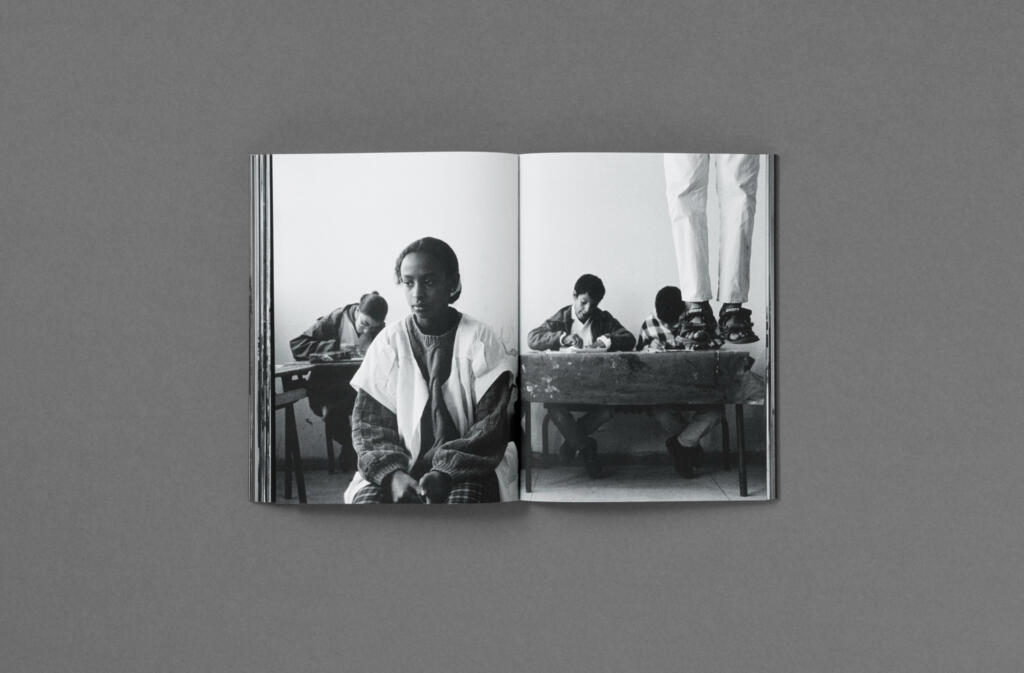
RFI: What did you want to show with these photos?
HB: Through these photos, I talk about Morocco as I see it. I address the issue of the individual, who does not exist in my society because it is the family or the community that counts.
Religion and traditions are so deeply rooted that they cannot be questioned. Otherwise, you are breaking the law, especially since the constitution is directly inspired by the Koran.
I have nothing against my religion, but I don't have the right to criticise it. So I show individuals who are also self-portraits, bound, restrained, deprived of freedom of movement and therefore of expression.