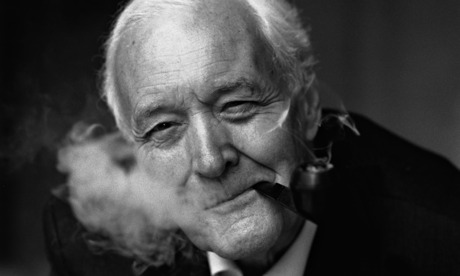
For around five years, centring on the 1981 deputy leadership campaign that he came to regret, Tony Benn was bad news for Labour’s prospects. So weirdly raw are the wounds of these years, that when he died in March, the party’s older loyalists allowed this shadow to black out his other 55 years in public life, all of it documented in a crisply written diary, in which personal warmth and private doubt complement the public certainties.
On its own, this longevity marks him out as a remarkable figure; combined with the record, it made him a giant. Between first-class stamps, state revenues from north sea oil and (less happily) Concorde, he left more of a legacy than most as a minister. But the most enduring mark was as a parliamentarian. By renouncing his peerages and instigating the Common Market referendum, he changed the British constitution twice.
On the green benches and at rallies, he spoke with an arresting clarity. When his eloquence airbrushed away the thorny dilemmas of political life it could be infuriating. But from Northern Ireland and gay rights to the Bush-Blair wars and the feral tendencies of unfettered capitalism, he was right just as often as wrong.