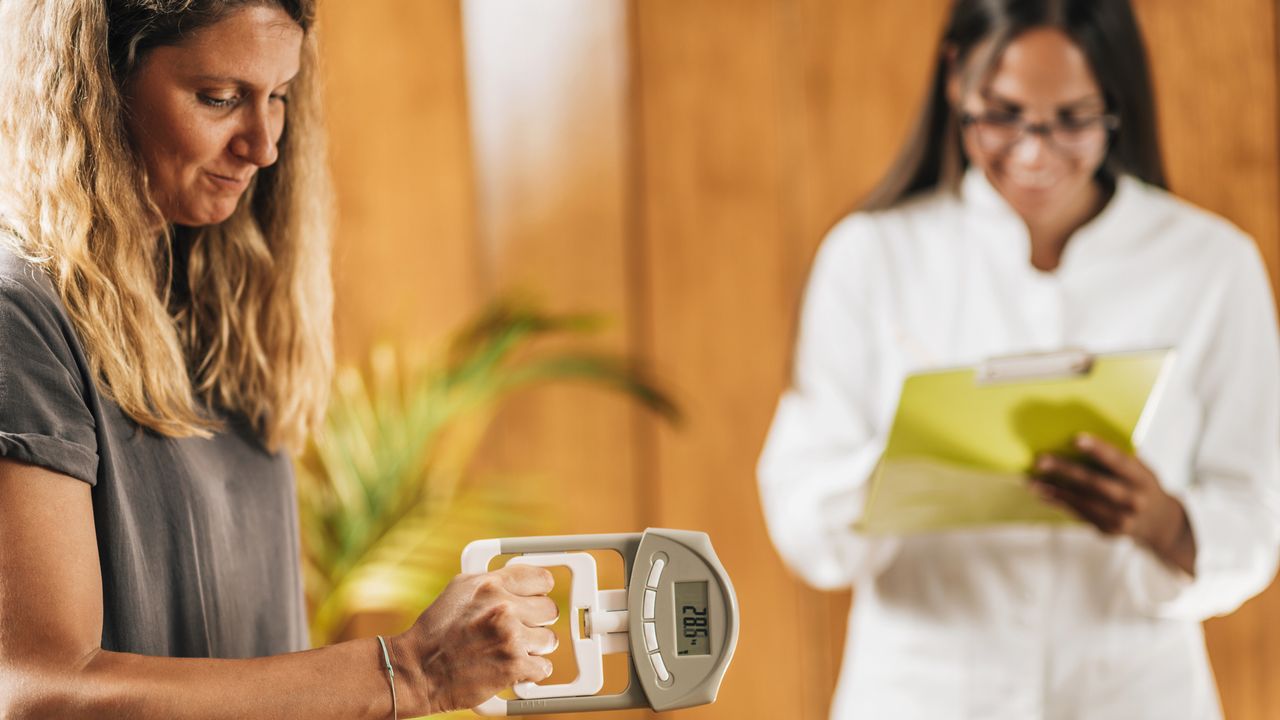
I recently took a longevity fitness test, an element of which included a grip strength assessment with a hand dynamometer. Research links grip strength to longevity, as it is considered a good indicator of overall physical strength and risk of frailty, as well as neuromuscular function (or the connection between brain and muscle).
How is grip strength linked to longevity?
“Handgrip strength is measured with a handheld dynamometer as the peak force produced by a maximal isometric contraction of the forearm muscles. From research, it is proven to give a quick, reliable snapshot of global muscle strength and is considered a biomarker for physiological reserve, rather than just hand function,” explains Athanasios Tzoumaris, strength and conditioning coach at London-based gym and health clinic Hooke Fitness, where I took my test.
“Lower grip values are strongly associated with higher all-cause and cardiovascular mortality independent of age, existing medical conditions and body size,” he continues.
“Physiologically, weak grip reflects loss of muscle mass and neuromuscular function. It may also indicate chronic inflammation, greater frailty, as well as poor nutrition—factors that accelerate biological ageing.
“Clinically, it is used to case-find probable sarcopenia [age-related muscle loss] and to add prognostic information to routine assessments as it is inexpensive, reproducible and predictive of functional decline.”
As with muscle strength in general, grip strength naturally declines with age, “reflecting changes in muscle mass, neural drive and overall physiological resilience,” says Tzoumaris.
“In general, healthy adults reach peak grip strength in their late 20s to early 40s. From about age 50 onward, strength tends to fall by roughly 10% per decade, but maintaining resistance training and physical activity can significantly slow down this decline, keeping grip strength, and the health and longevity benefits it reflects, well above age-based norms.”
What are the best ways to monitor grip strength?
Experts agree that grip strength can be reliably monitored using handheld dynamometry testing. “For the sake of consistency of assessment, in-depth insights and interpretation of the results, as well as training recommendations, you would ideally refer to exercise specialists using a professional-grade dynamometer,” says Tzoumaris.
He told me that his high-tech contraption measures not only peak force (or maximal strength), “but also how quickly you get to that peak force, in milliseconds. The software then calculates asymmetries between limbs and other quite scientific metrics that involve a fair amount of physics, which you wouldn’t be able to replicate with an at-home device.”
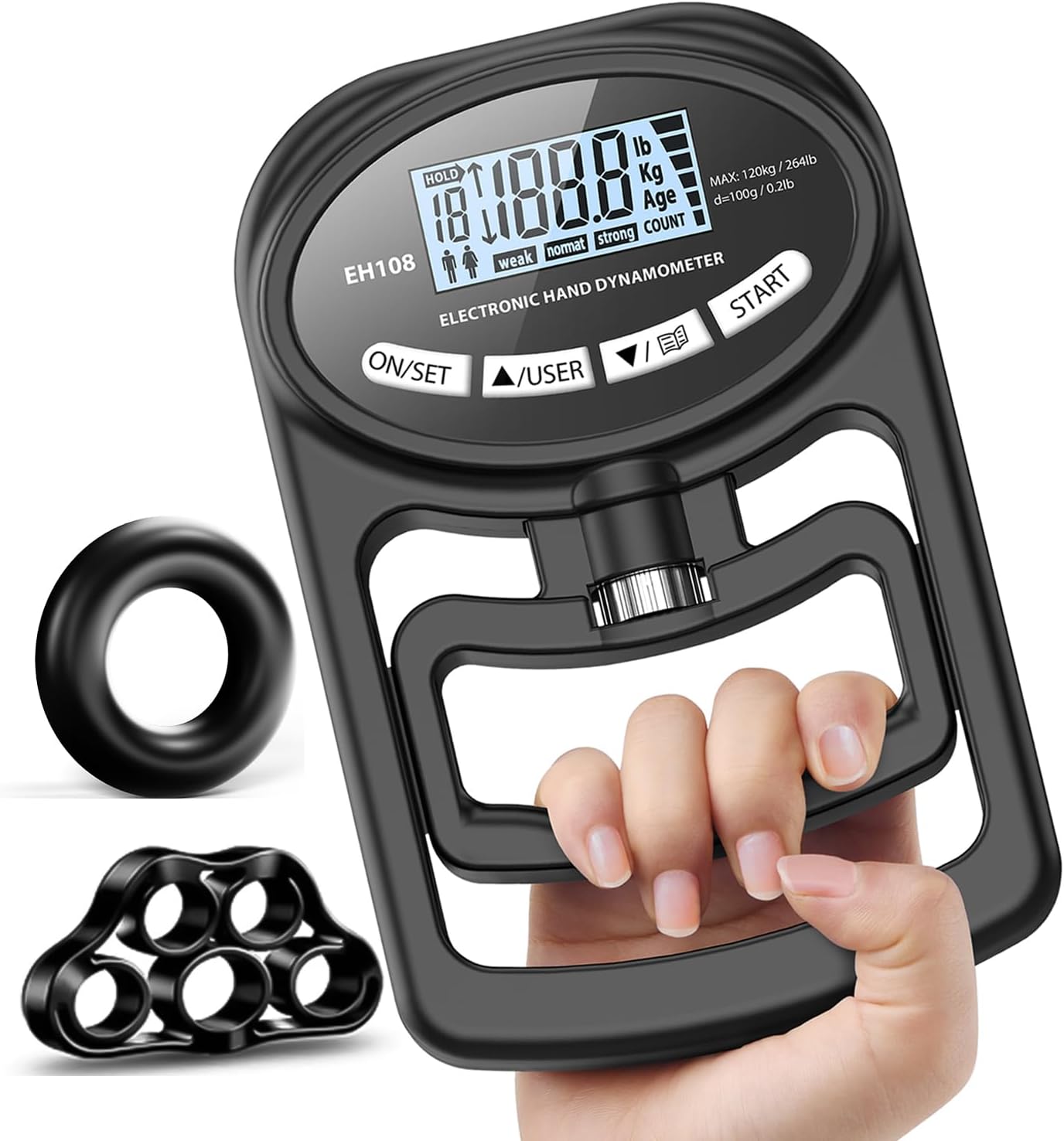
For at-home testing, “there are fairly inexpensive dynamometers you can buy that produce acceptable testing results which may allow you to monitor progress, however they don’t offer the same insights into how an individual has achieved that score,” he explains.
At-home devices are likely not as sensitive, he adds, potentially leading to less accurate and certainly less detailed results. “But if you follow the same process each time you use it, you should be able to spot changes and trends over time in your scores.”
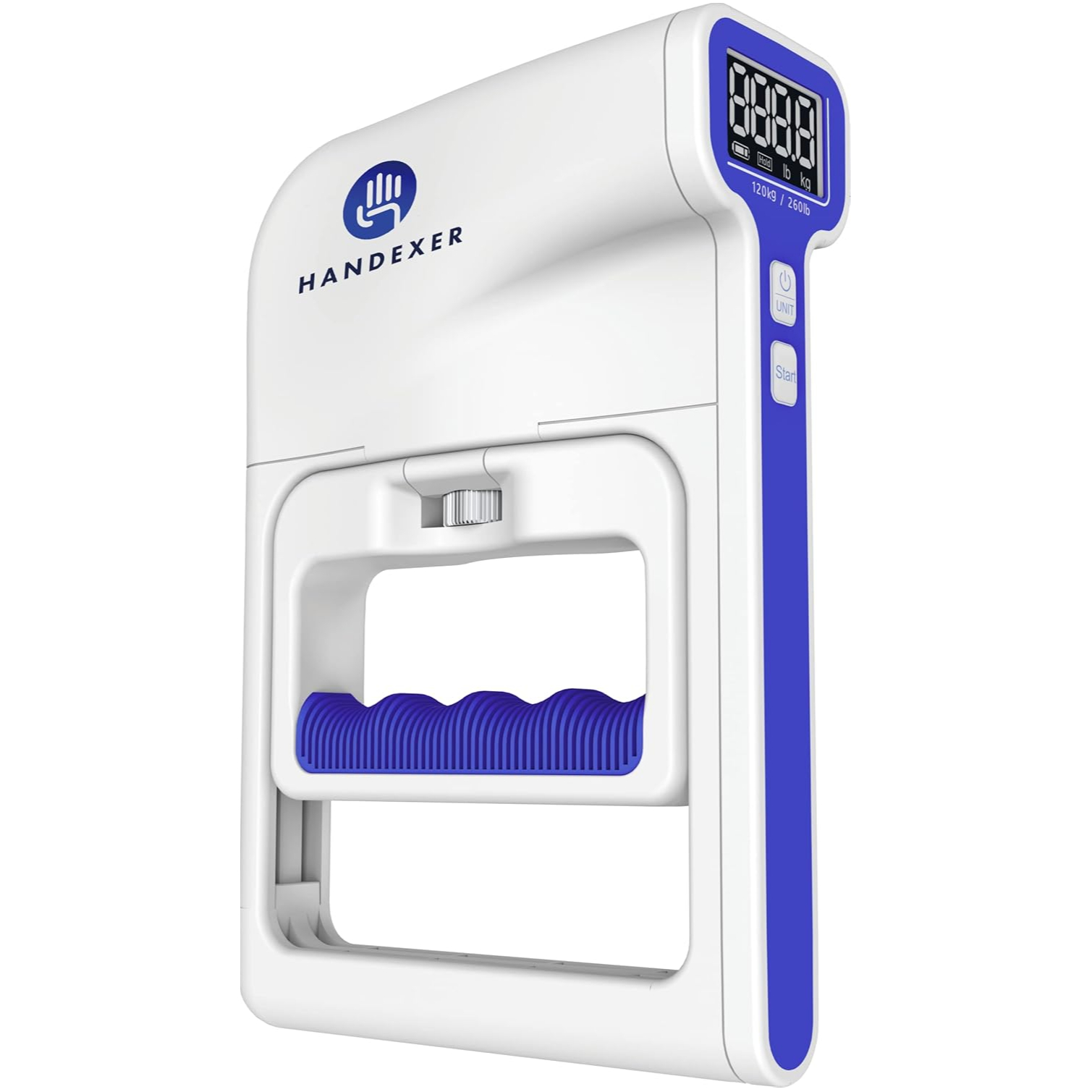
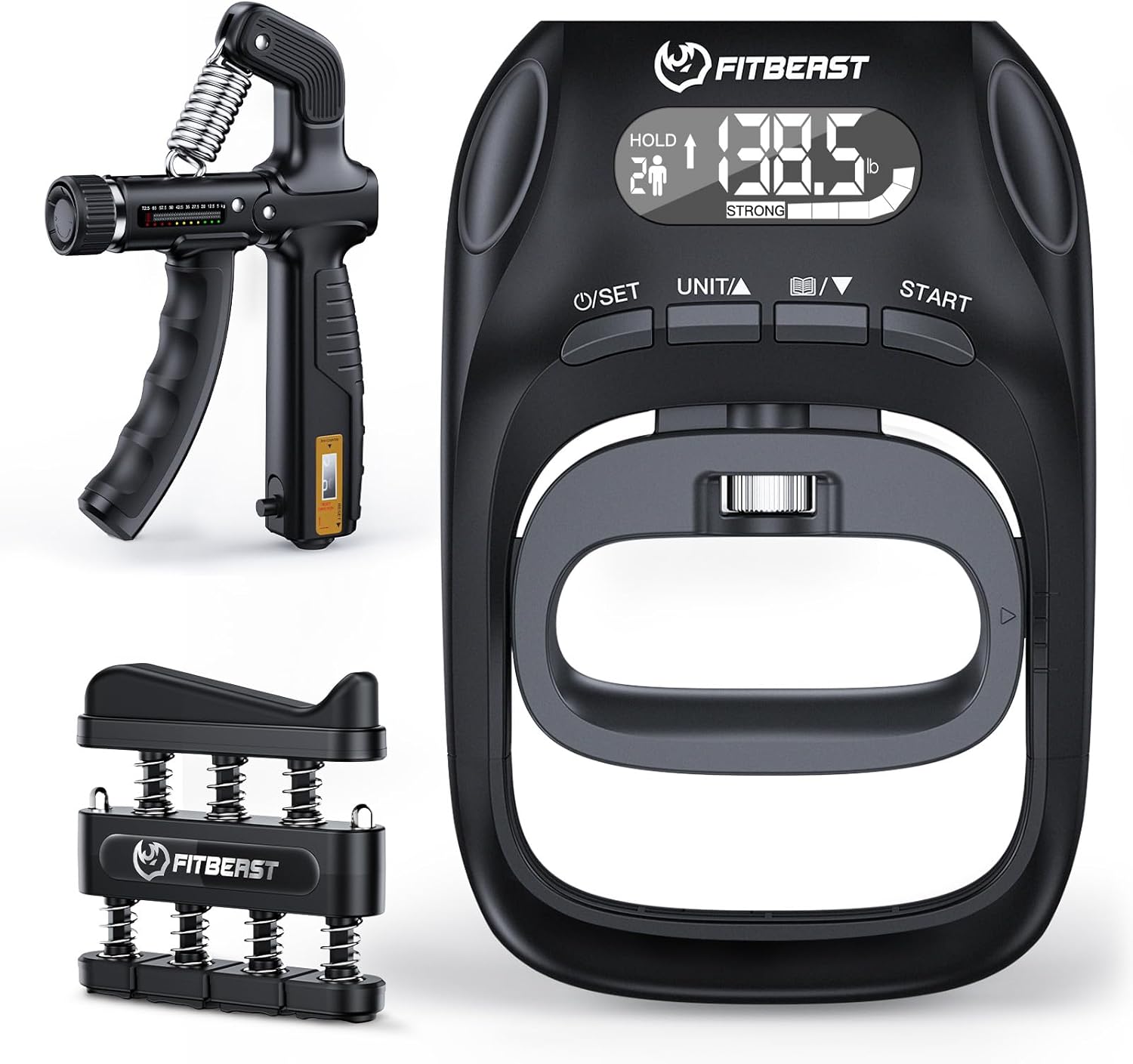
There are ways to track grip strength without a dynamometer, too. This could involve seeing how long you can hold a dumbbell or kettlebell in one hand and timing it.
“Set a target time and see if you can achieve it. If you are not able to, stick to the same weight until you do achieve it. Once you are able to hold that weight for the target time, pick a slightly heavier weight and follow the same process,” he says.
“Testing this way would not give a direct representation of maximal grip strength, as it measures grip strength endurance—still a strength quality but different to maximal strength. However, it can still provide some insight into someone’s grip strength progress.”
Grip Strength Norms
So, roughly how strong should you expect your grip strength to be in each decade of your life? If you want to gauge your own grip strength, to see if you’re on track for your age, here, Tzoumaris has shared some examples of normative value ranges—below average, average and above average, by age and sex, that the gym uses to calculate the results of its handgrip test.
Decade |
Below average (kg) |
Average (kg) |
Above average (kg) |
|---|---|---|---|
20s |
41.7 |
48.3 |
55 |
30s |
38.7 |
46.8 |
55 |
40s |
37.1 |
44.7 |
52.4 |
50s |
35.4 |
42.3 |
49.3 |
60s |
30.6 |
37.6 |
44.6 |
70s |
27.3 |
33.7 |
40.1 |
80s |
21.9 |
28.1 |
34.2 |
Decade |
Below average (kg) |
Average (kg) |
Above average (kg) |
|---|---|---|---|
20s |
24.1 |
28.8 |
33.6 |
30s |
24.9 |
29 |
33.2 |
40s |
24.8 |
29.3 |
33.9 |
50s |
22.4 |
26.6 |
30.9 |
60s |
18.4 |
22.8 |
27.3 |
70s |
16.8 |
20 |
24.3 |
80s |
17 |
19.9 |
22.9 |
How can you improve your grip strength?
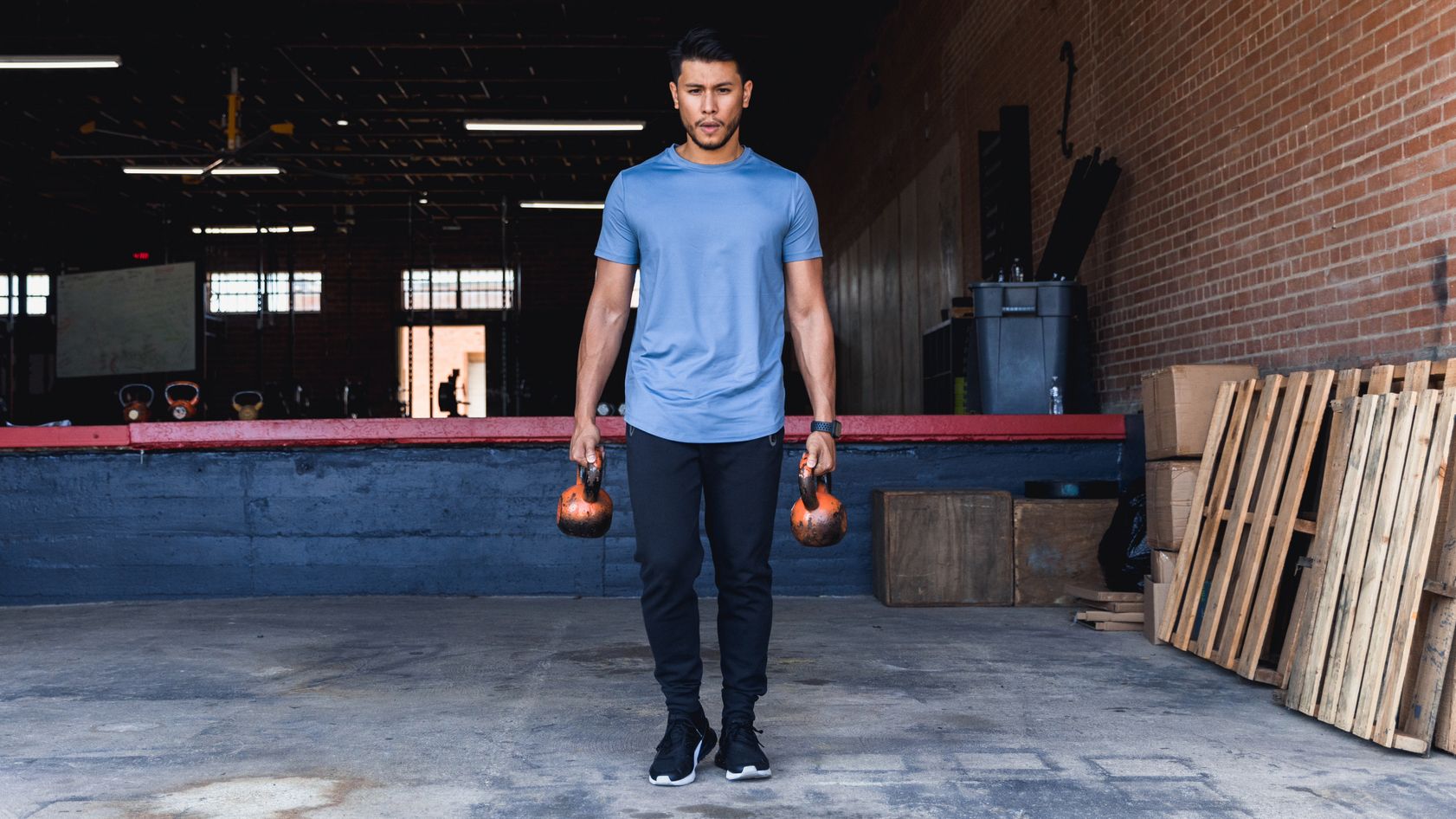
Training grip strength can be done in and out of the gym, according to Tzoumaris. “You can improve your grip strength by consistently training the muscles of your hands, forearms, and wrists. The goal is to build both maximal strength (your peak force) and endurance (how long you can sustain it for).”
“In the gym, some simple but effective exercises include dead hangs from a pull-up bar, farmer’s carries with dumbbells or kettlebells, plate pinches for thumb strength (where you hold a weight plate in one hand with your thumb on one side and fingers on the other for as long as possible), and wrist curls to target the forearm flexors,” he explains.
“Outside the gym, even everyday actions like squeezing a hand gripper, tennis ball or carrying heavy shopping bags can help. Over time, this type of training improves your neuromuscular efficiency, enhancing both performance and everyday function.”