After the U.S. announced a two-week ceasefire deal with Iran, industry experts are predicting that gas prices could start dropping soon.
The war with Iran sent fuel prices skyrocketing globally, which means Americans have been paying more at the pump. The national average gas price surpassed $4 per gallon last week for the first time since 2022 — and on Wednesday, the average price stood at $4.16, according to the American Automobile Association.
Under the new ceasefire deal, the U.S. could see prices fall in a matter of days, according to Patrick De Haan, a petroleum analyst at GasBuddy.
“Gas prices could start reversing nationally in 48 hours or so - by a few cents every day,” De Haan wrote Tuesday evening on X.
“Diesel prices may lag slightly - but where things stand now, diesel is NO longer likely to reach a record. National average gasoline could fall below $4 in ~1-2 weeks, diesel >$5 in 6-8 weeks,” he added.
In a follow-up post, De Haan noted that “these levels are tentative based on current markets, changes are highly likely as the situation unfolds.”
Pavel Molchanov, an analyst at the financial services firm Raymond James, told Axios the drop in oil prices "should single-handedly shave off $0.45/gallon, implying the national average pulling back to around $3.70.”
“We expect that to take at least two weeks," he added.
De Haan also responded to a social media user who asked, “Why do gas prices go up immediately on bad news, but take forever to come down on good news?” The analyst explained that “wholesale prices are volatile, but retail prices are averaged.”
“Stations raise prices quickly when costs jump to avoid losses, but when costs fall, they lower prices gradually as they sell through higher-priced inventory,” De Haan wrote. “So instead of prices bouncing wildly, what drivers see is actually a slower climb - and an even slower descent.”
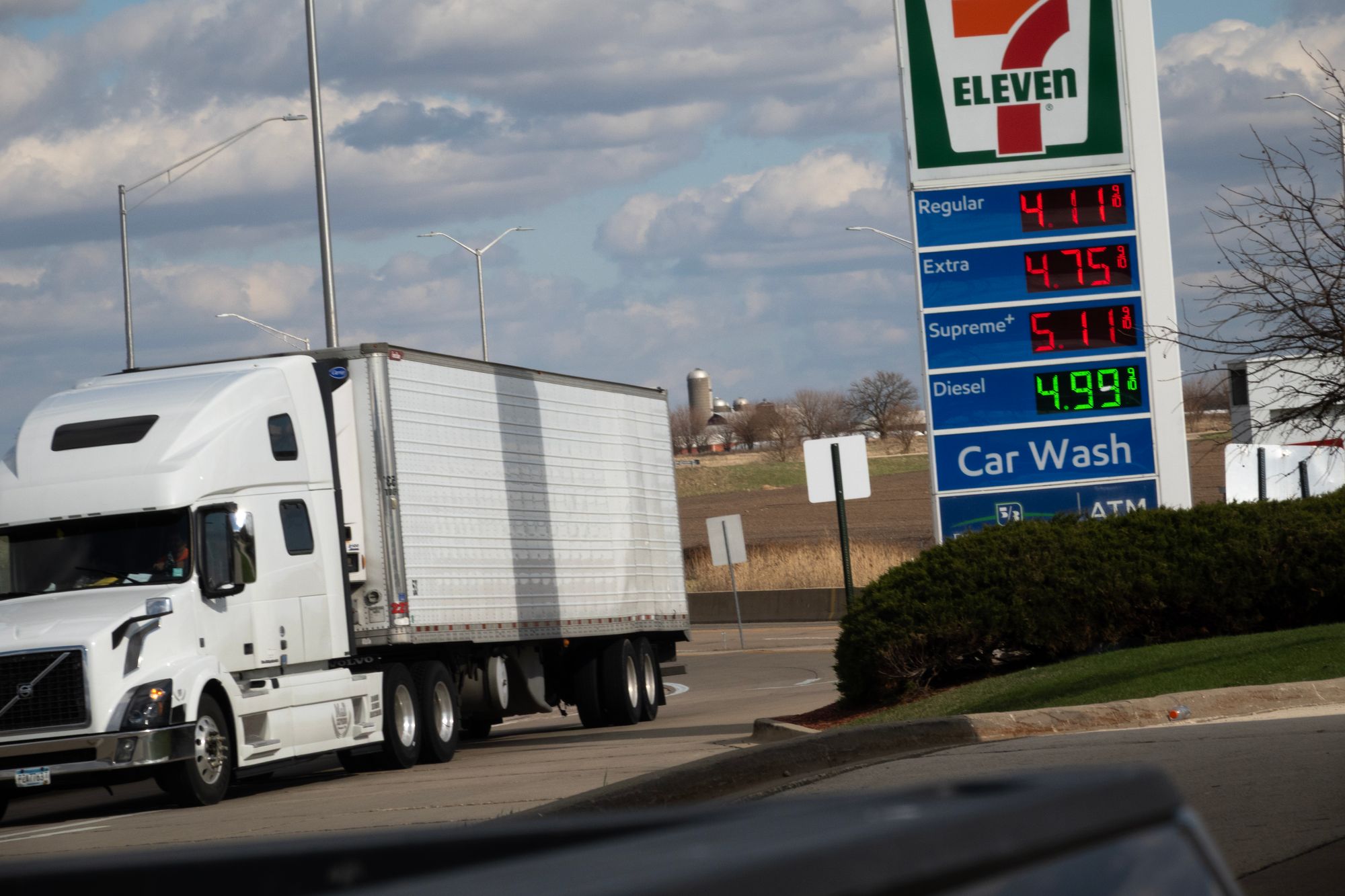
The timeline also depends on gas station owners getting through their current supply. Wayne Winegarden, an economist at the Pacific Research Institute, told The New York Times station operators “paid much more for that gas,” so now they’re trying to recover their costs.
“Your margin costs have gone down and that will be reflected in pricing, but first you’ve got to get through your high-cost inventory,” he added.
President Donald Trump announced the ceasefire deal and described a “10 point proposal from Iran” in a Tuesday evening Truth Social post.
“We received a 10 point proposal from Iran, and believe it is a workable basis on which to negotiate. Almost all of the various points of past contention have been agreed to between the United States and Iran, but a two week period will allow the Agreement to be finalized and consummated,” he wrote.
During a Wednesday morning press conference, Defense Secretary Pete Hegseth claimed Iran “begged” for the ceasefire deal, which was struck just hours after Trump threatened to destroy the “whole civilization” if an agreement wasn’t reached.
Trump calls on New York court to toss ‘legally and factually baseless’ fraud ruling
Shaky ceasefire unlikely to stop cyberattacks from Iran-linked hackers for long
NATO chief faces scrutiny from Europe over endless support for ‘Daddy’ Trump
US-Iran war will still hit energy bills despite ceasefire, experts warn
Book lovers rage as Amazon make unpopular Kindle announcement
Paramount president Jeff Shell is stepping down from his post amid a legal battle