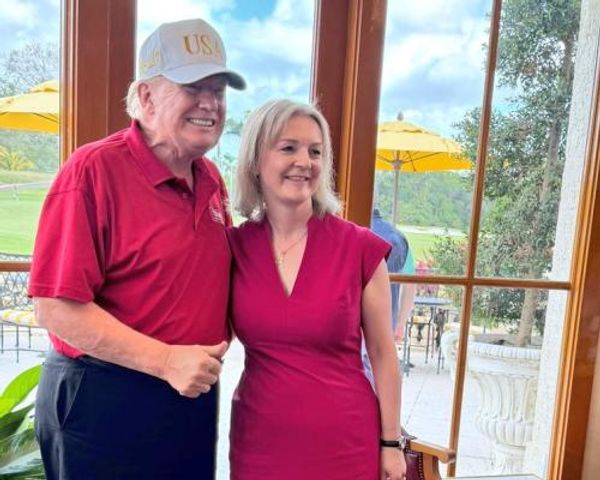
We recently had the privilege of co-hosting an event with the College of Occupational Therapists (COT), which was attended by their patron, the Princess Royal.
The event was to promote to the sector an excellent product from COT, Living well through activity in care homes. The toolkit, designed to support workers in residential care homes, promotes quality activities with the people they support.
Utilising the combined skills and expertise of COT, and Skills for Care's focus on learning and development for the adult social care workforce, makes for a winning collaboration.
That's because Skills for Care works with around 17,000 adult social care employers to develop the skills and knowledge of 1.5 million care workers across England. Ours is a sector that contributes £43bn to the English economy offering care and support to millions of people and their loved ones.
But most of all adult social care is a people business because we are by nature social creatures. I'm sure everyone reading this enjoys spending time doing activities with family or friends. For me, it's playing badminton with friends or going for a walk with my dog in the country. So why do we assume that when people get older or are disabled they somehow stop being social, wanting to be occupied or want to have fun?
It might be a game of carpet bowling with laughter ringing round the room as the skittles go flying. Equally it might be the person quietly playing cards in the same room chatting to a care worker. It might be a group of people living with dementia sat round a table chatting in a regular session sharing their hard won life experiences with care staff over a cuppa. Or perhaps a couple of folk in the next room baking a cake with trained care workers young enough to be their great grandchildren.
Those are all real life examples of meaningful activities because, let's be honest, it would be a very long day in a care home if you are not doing something that stimulates you, occupies you or just makes you laugh.
So Skills for Care was really pleased that the College of Occupational Therapists developed this toolkit. Not only is it another important and much needed tool to promote quality activities in care homes but an example of partnership working which we were pleased to be a part of.
If we are to make sure we maximise the skills of our nation's occupational therapists we need to link their work to that being done by care workers. Sharing ideas and knowledge based on the needs of the individual and what they want to do.
Some people love large groups, and some don't, but if there is one thing care workers know about it is the individual needs of the people they support. They can share that knowledge to help create a meaningful range of activities that allow people to enjoy themselves in the way they wish.
We hear a lot in our sector about choice and control and for this to have real meaning then it has to include how people are occupied and have fun.
But this is a two-way process as it means care workers can include in their daily work meaningful activities where lasting friendships are created so the needs of the individual, from the practical to the intellectual, are met.
One thing I know from my own experience as the CEO of a major care provider is when an adult social care organisation stands still then it will ultimately not meet the needs of the people it serves.
That's why working with the Department of Health we run the Workforce Development Innovation Fund supporting projects that encourage organisations to think differently about the way they deliver services.
One project we supported was the Sporting Memories Network. Like all great ideas it is simple. The network provides a range of resources based around talking about sporting icons such as Bobby Moore or major events like the Olympics. There are also resources that can be used by care staff in groups, or in individual sessions, to stimulate discussion and to share precious sporting memories.
If we need a reminder of the power of sport in our lives then the London Olympics and Paralympics stand as testament of how all of us have a sporting memory. It might be Mo Farah taking two golds, Jessica Ennis-Hill with her amazing heptathlon, Ellie Simmons winning gold in the pool or our showjumpers taking an unexpected gold roared on by the crowd.
This project harnessing those powerful memories dovetails brilliantly with the college's toolkit because it recognises older or disabled people as people with so much to offer.
But we also need to make sure that those who offer activities have qualifications to work towards. So we talked to frontline employers, their workers and – most importantly – people who need care and support to find out what they wanted to see in the qualifications. We had lots of support from the National Association for the Provision of Activities and the Awarding Organisation NOCN.
We then all spent many hours in a dark room developing learning outcomes and assessment criteria. Once they were in draft form we consulted widely with the sector.
As a result we now have two qualifications:
The Level 2 Award in Supporting Activity Provision in Social Care is knowledge only. This means it can be taken by learners who may have knowledge in this area but are not able to demonstrate competence.
The Level 3 Certificate in Activity Provision in Social Care is aimed at those currently responsible for coordinating activity provision in care settings or those intending to take on this role. This qualification will increase learners' understanding of how coordinating activity provision has an important role in person-centred care.
Both are driven by the requirement to recognise the needs of individuals in care homes when thinking about what sort of activities to offer and what staff can do to meet those demands.
We're delighted that the College of Occupational Therapists invited us to help develop this toolkit as it fits perfectly with the qualifications we have created. We are already bringing the toolkit to life by jointly holding sessions with the college, the National Association for Providers of Activities for Older People and local learning providers for occupational therapists to become more involved in training staff in activity work and assessing the qualifications.
Partnership working is the key to success for these qualifications. In many ways people who offer quality activities to keep older people who need care and support well, physically and mentally, are the unsung heroes. But their work is vital because it means we can look after people's wellbeing and support them to maintain their zest for life.
For more information on the activity qualifications visit the Skills for Care website.
Skills for Care is hosting a joint conference with the College of Occupational Therapists – Getting the best from your reablement service – in London on 22 July. The event will explore the contribution good reablement can make to those providing and receiving care and support. For more information, visit the Skills for Care website.
Content on this page is produced and controlled by Skills for Care