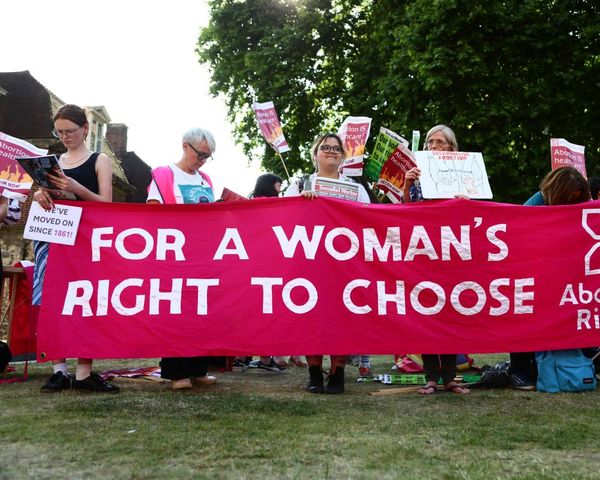
The Milwaukee Bucks stood together after they refused to take the court for a playoff game against the Orlando Magic on Wednesday, finding strength in numbers as they repeated fervent pleas for racial justice.
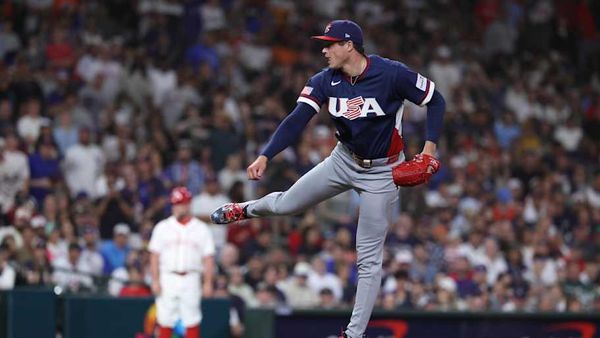
After the Dodgers decided they couldn't be silent about the shooting of Jacob Blake by police in Kenosha, Wis., outfielder Mookie Betts, manager Dave Roberts and pitchers Clayton Kershaw and Kenley Jansen stood shoulder to shoulder at a news conference to say they couldn't play the San Francisco Giants and pretend nothing had happened.
Tennis player Naomi Osaka stood alone when she withdrew from the Western & Southern Open in New York on Wednesday, hours after she had battled back from a set down to defeat Anett Kontaveit and reach the semifinals. She had no teammate to lean on, no one vowing to have her back, when she gave up a chance at a big paycheck and an opportunity to get precious match-play experience before the U.S. Open begins next week at the same venue.
Her bravery, likely lost on most sports fans while wildcat player strikes spread from the NBA to the WNBA, MLS and Major League Baseball, shouldn't be overlooked. Osaka, daughter of a Haitian father and Japanese mother, was alone but not afraid when she decided she valued social justice above playing another couple of matches, solitary but strong in her convictions. Only 22, she became a singular figure on a singular day that affirmed athletes' power in new ways.
"Hello, as many of you are aware I was scheduled to play my semifinals match (on Thursday)," Osaka said via social media. "However, before I am an athlete, I am a black woman. And as a black woman I feel as though there are much more important matters at hand that need immediate attention, rather than watching me play tennis.
"I don't expect anything drastic to happen with me not playing, but if I can get a conversation started in a majority white sport I consider that a step in the right direction. Watching the continued genocide of Black people at the hand of the police is honestly making me sick to my stomach. I'm exhausted of having a new hashtag pop up every few days and I'm extremely tired of having this same conversation over and over again. When will it ever be enough?"
She then added the hashtags #JacobBlake, #BreonnaTaylor, #Elijah Mcclain, #George Floyd.
Whether reluctant to lose her vibrant presence or shamed into action by her bravery, the U.S. Tennis Association and men's and women's tennis tours agreed to pause play at the Western & Southern Open on Thursday "to recognize this moment in time." It's not clear whether Osaka will be allowed to compete in her scheduled semifinal against Elise Mertens and continue pursuit of the title and $285,000 winner's check if play resumes on Friday, but that's secondary to the respect she won in the tennis world.
"Say it louder! Proud of you," Sloane Stephens tweeted above Osaka's statement.
Said Billie Jean King, long a champion of equality: "A brave & impactful move by @naomiosaka, in support of the protest movement moving through the sports world. ( ... ) Athletes using platforms for good means so much. Don't remain silent."
Osaka, who won the U.S. Open in 2018 and followed up by winning the Australian Open in 2019, has felt the sting of racism in her homeland of Japan _ which she left at a young age to live in the U.S. _ and on the international tennis circuit. She has spoken of being mocked for her thick, curly hair and her dark skin, of being labeled as different at an age when being an outsider is a social disaster.
She is thoughtful and introspective, prone to downplaying her successes and focusing on her few tennis shortcomings. She has always been attuned to injustice beyond the tennis court, but her schedule rarely allowed her to follow her heart. When the COVID-19 pandemic hit and the tennis tours were suspended, she participated in social justice protests in Minneapolis, where George Floyd was killed while in police custody in May, and in Los Angeles, which recently became her home.
"It's a reset that perhaps I greatly needed. I asked myself, 'If I couldn't play tennis, what could I be doing to make a difference?' I decided it was time to speak up," she wrote on her Facebook page.
"I flew to Minneapolis with my boyfriend days after the murder to pay our respects and have our voices heard on the streets. We grieved with the people of St. Paul and protested peacefully. We visited the George Floyd memorial and connected with those who came together to mourn yet another senseless act and life lost without reason. Being on the ground in Minneapolis was what felt right at that moment."
Stepping off the court felt right to her this week. But no matter where she stands, she stands tall.