Parole judges have been given new guidance on how to handle cases involving ‘no body’ killers following the introduction of Helen’s Law.
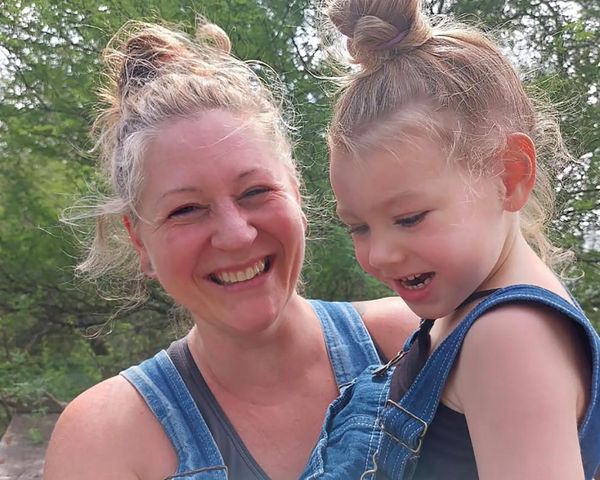
The new legislation came into force in January following years of campaigning by Helen’s mum Marie McCourt, 77.
This has prompted the Parole Board to change “long-established” advice to judges on murder and manslaughter cases where the victims’ body is missing.
Helen’s Law is set to be tested for the first time later this month when Glyn Razzell, 60, who killed wife Linda in 2002, makes a bid for freedom.
Marie, whose daughter’s killer Ian Simms was granted parole last year, hopes parole judges will question Razzell closely on where he has hidden his wife’s body.
What is your view? Have your say in the comment section

She said: “In deciding to release Simms, they stole my one chance of ever finding my daughter and ending this torment.
“It is too late for me. But no other family or lost victim should be let down like this.
“I look forward to prisoners finally being pressed on non-disclosure in a right and proper way.
“I will be watching every future hearing closely and supporting families.”

A Parole Board spokesman said “long-established internal guidance” on ‘no body’ cases has now changed.
He added: “This guidance was updated following the introduction of Helen’s Law earlier this year.”
Judges are now required to “explicitly refer” to non-disclosure in their parole decision letters.
Pub landlord Simms murdered insurance clerk Helen McCourt, 22, as she walked home from work in February 1988.

He has repeatedly refused to reveal the location of her body - prompting Marie to campaign with the Mirror for Helen’s Law.
The legislation forces judges to consider ‘non-disclosure’ when ruling on parole applications.
During a Judicial Review Marie’s lawyer criticised parole judges for a “lamentable failure” during their questioning of Simms.
The High Court heard there was “no attempt” to challenge him about the location of Helen’s body.

Marie, of Billinge, Wigan, has now written to the Parole Board suggesting ‘no body’ killers should be asked three standard questions: ‘Why have you consistently and continually refused to reveal the location of your victim’s remains?’ ‘Are you aware of the implications of your actions on the victim’s family?’ ‘Are you willing to meet with police, or a forensic psychologist, to discuss the matter with a view to providing information for the family?’
Marie explained: “What infuriates me the most is that parole judges had the chance to ask him, once and for all, where she was.
“And they failed. It was ‘feather duster’ questioning. No other family should be let down in this way.”

However, the parole board say its judges are “independent” and cannot be directed to ask specific questions.
Razzell is expected to be the first ‘no body’ killer to have his case considered under the new law.
He was sentenced to life in 2003 over the murder of his college lecturer wife Linda, a mum-of-four.
Razzell, who completed his 16 year minimum term in 2019, was convicted after bloodstains in the boot of his car were found to match her DNA.