The promise of change did the trick for Barack Obama and it might well do so for the New Zealand opposition led by John Key, a multimillionaire former currency trader, in Saturday's general election.
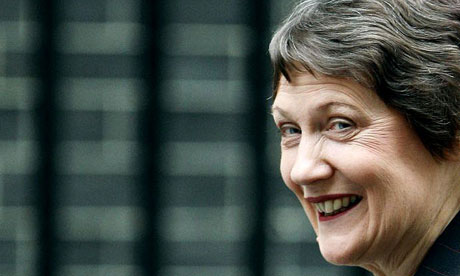
Key, who leads the conservative National party, is seeking to unseat Helen Clark, the head of the Labour government who came to power in 1999, making her one of the word's longest-serving elected women leaders. Nine years is a good run and, according to the polls, the voters want a change.
Clark sounds like Gordon Brown with her argument that the turbulent economic times demanded experienced leadership. But the polls suggest Clark is heading towards a resounding defeat with New Zealand in recession.
Domestic issues dominated the campaign, with the global financial crisis worsening a recession and forcing both main parties to backtrack on pledged tax cuts.
Some commentators predict National could reap as much as 48% of the vote, despite a proportional representation system that seemed to rule out either of the two major parties taking more than 45% of the vote.
With the polls pointing to a landslide for National, the scope for small parties to play kingmaker is much diminished. But if the polls turn out to wildly inaccurate and the result much closer than anticipated, the unaligned Maori party, which is likely to win four seats, could end up holding the key.
National and Labour are battling for a majority in the 123-seat parliament. Traditionally, the country's complex proportional voting system ensures small parties get a significant number of seats, and a government is formed after much bargaining. No single party has gained an outright majority of seats since New Zealand introduced its proportional representation system in 1996.
On the latest polls, National and its allies would take between 62 and 64 seats, while Labour, Progressives and the Greens would get around 54.