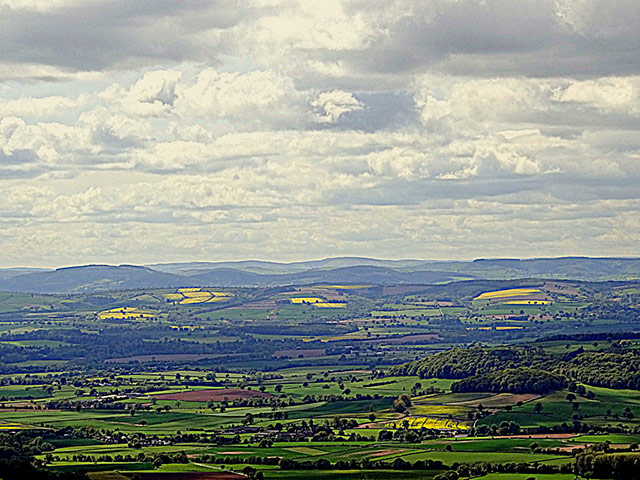
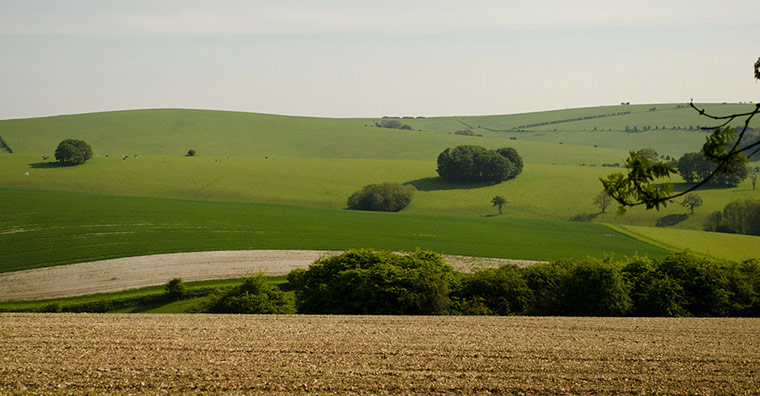
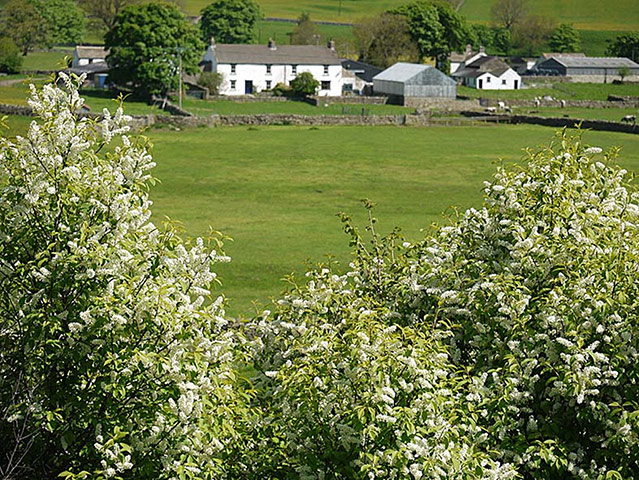
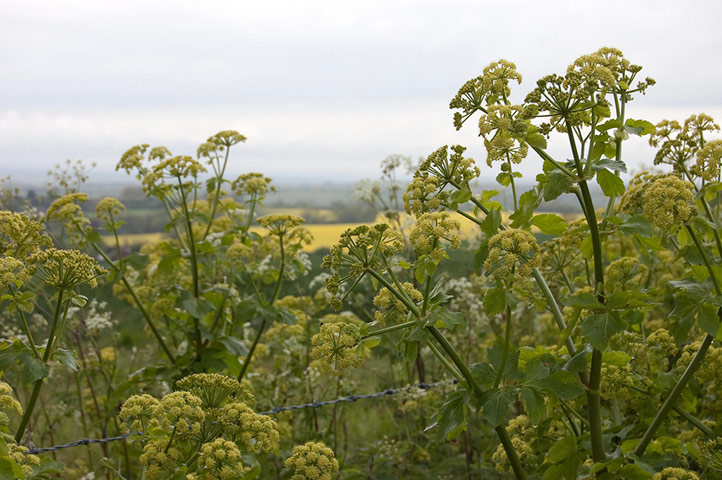
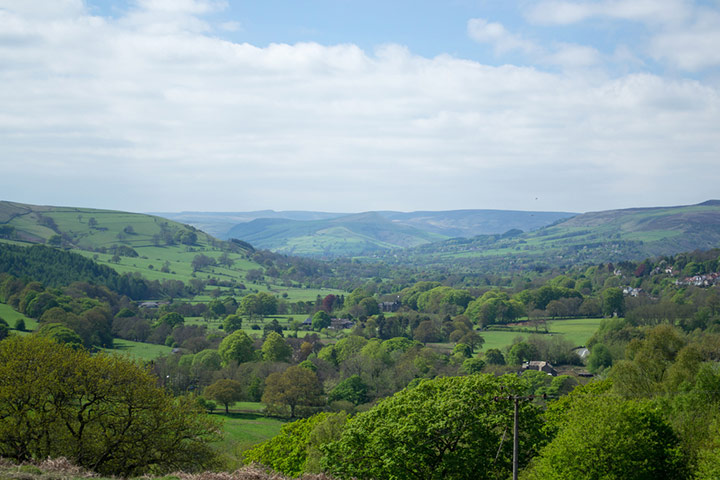
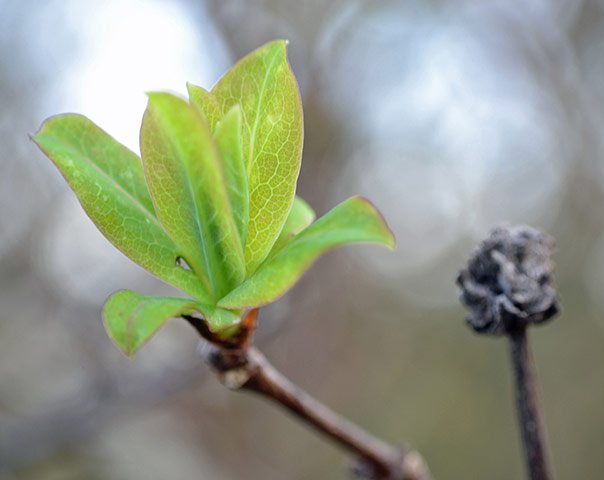
England, taken on 1 June 2013 by WPMcCPhotograph: WPMcC/FlickrThe beautiful rolling south downs at Stanmer down Brighton. Taken on 26 May by JessPhotograph: jess/FlickrBird cherry trees in flower, near Middleton-in-Teesdale. Taken on 4 June 2013 by Phil GatesPhotograph: Phil Gates/Flickr
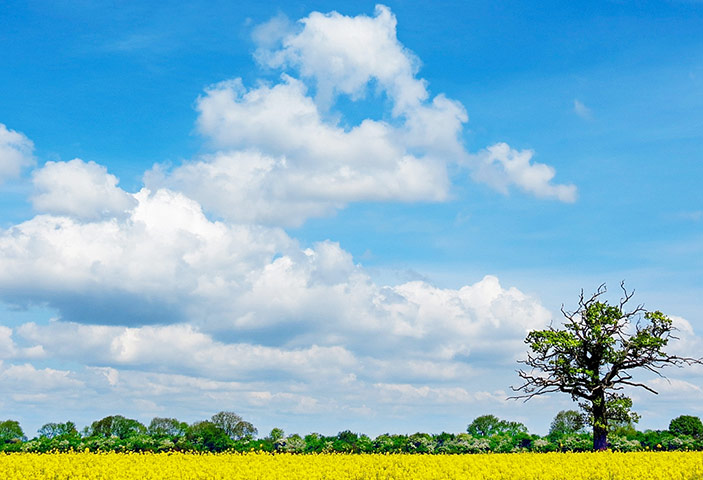
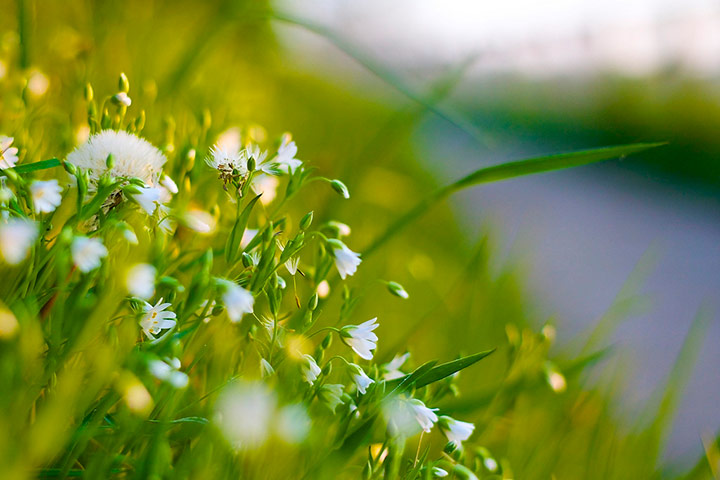
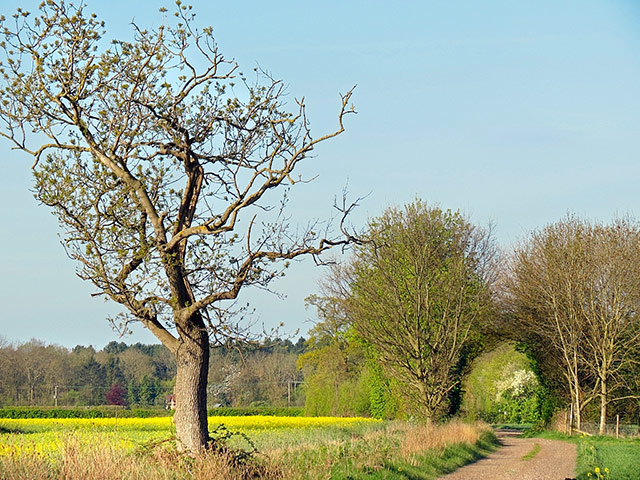
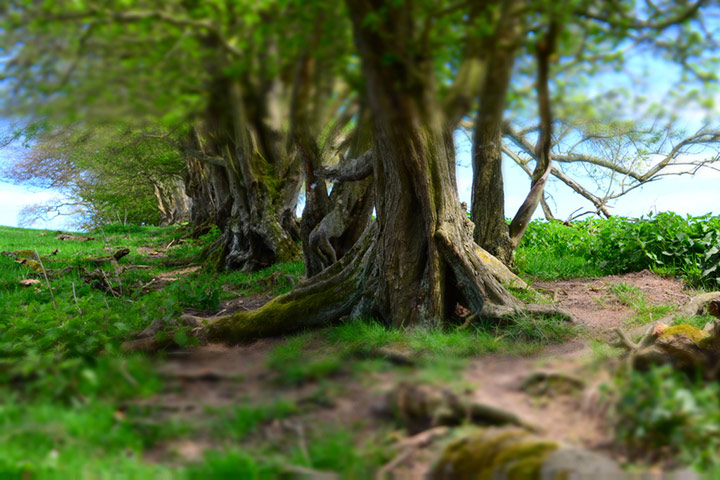
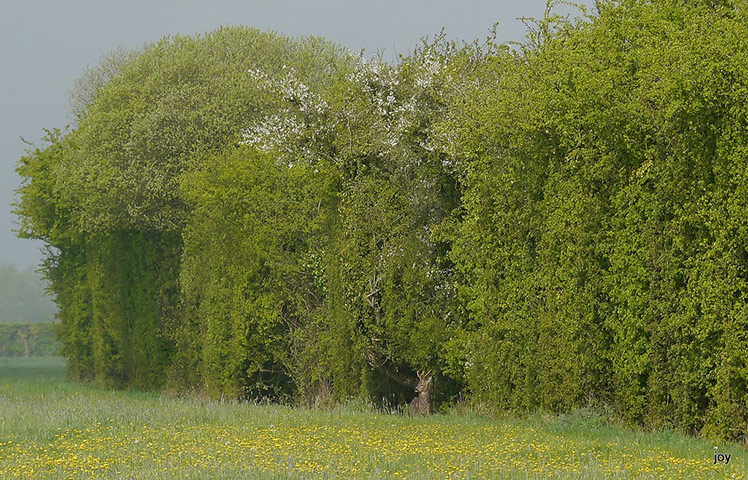
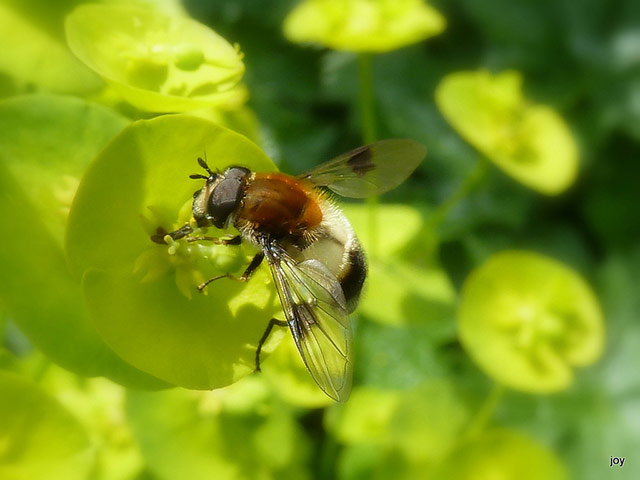
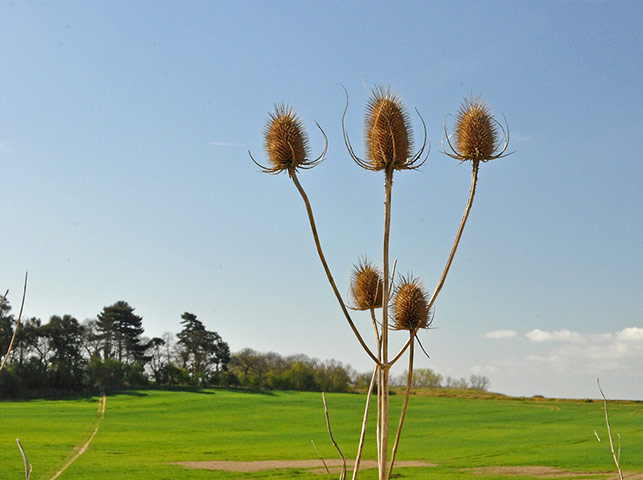
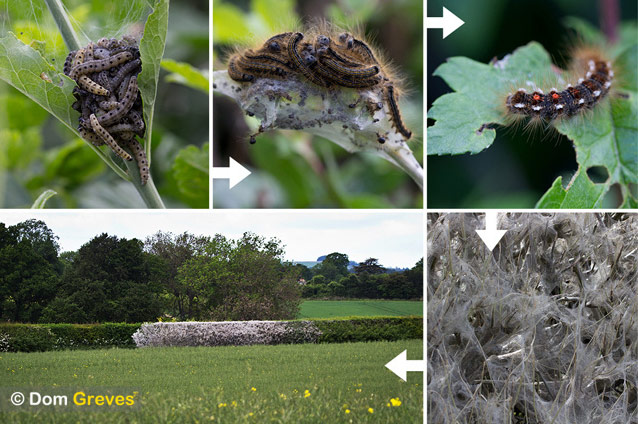
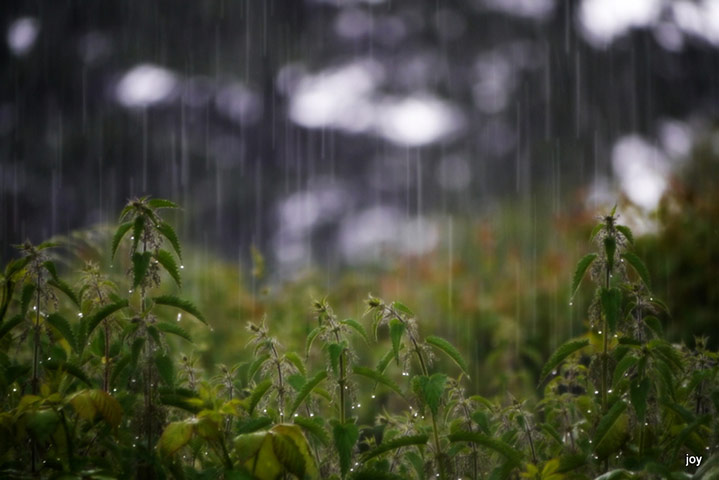
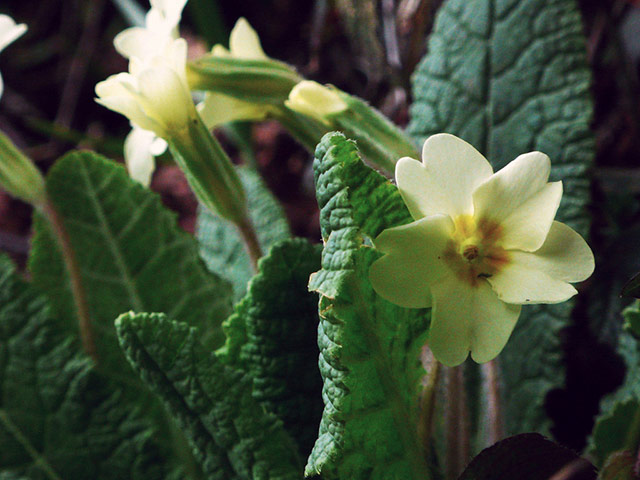
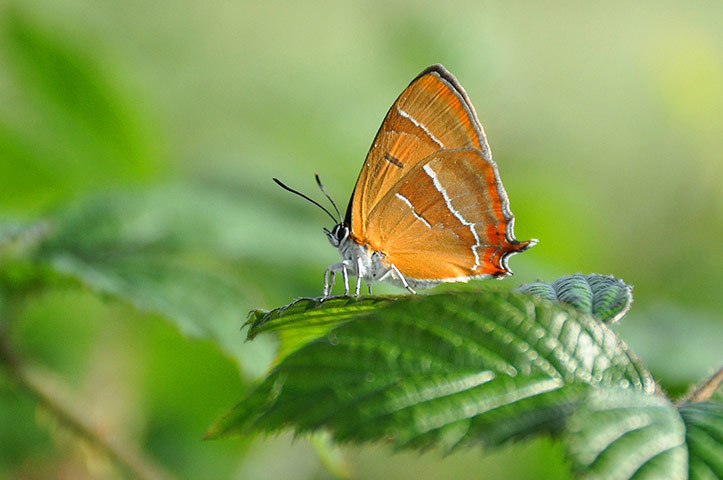
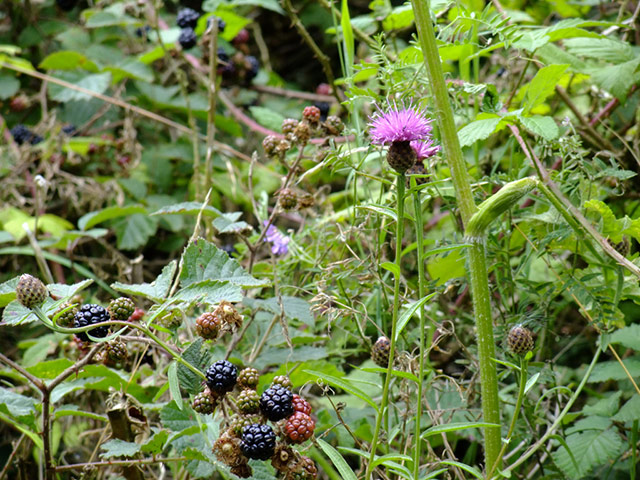
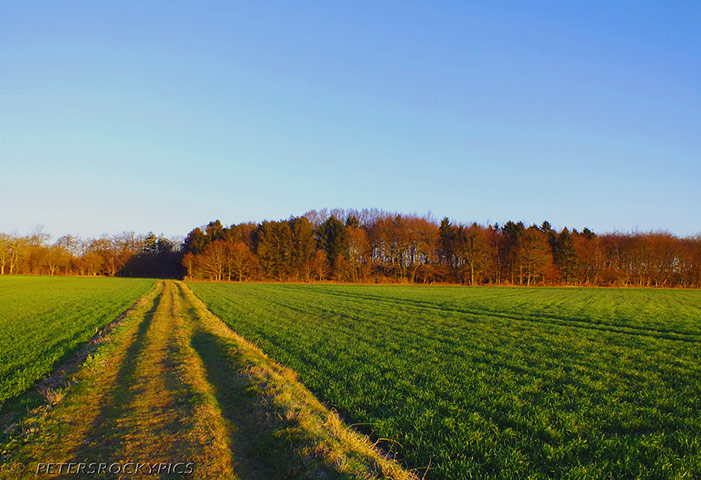
Tree and sky, taken on 25 May 2013 by Robert FeltonPhotograph: Robert Felton/FlickrA yellow hammer is a hightlight in the hedgerow. Badbury Rings, Dorset UK. Taken by SteveJM2009Photograph: SteveJM2009/FlickrBy The Garden PimpernelPhotograph: The Garden Pimpernel/FlickrBy Redjim7778Photograph: FlickrSurprise view, taken on 19 May 2013 by DavidMcCourtPhotograph: DavidMcCourt/FlickrRidge, taken on 6 May 2013 by Robert FeltonPhotograph: Robert Felton/FlickrCamera tricks, taken on 6 May 2013 by Phil PickinPhotograph: Phil Pickin/FlickrHedgerow haven, taken on 6 May 2013 by jump for joy2010. 'The habitats that roe deer naturally favour, like woodlands, are declining ... I have been regularly watching a group of about eight deer through the winter on farmland. They take shelter from the wind, rains, cold and now heat on a sunny day like today, under the hawthorn hedges and down in the banks of the rhynes (ditches)' Photograph: FlickrSunshiny day, taken on 2 May 2012 by jump for joy2010. 'Leucozona lucorum larvae prey on ground layer aphids. Adults fly in dappled sunshine in situations such as woodland rides and edges, roadside verges and hedgerows, where they are often found in association with Silene dioica and Stellaria holostea'Photograph: jumpforjoy2010/FlickrTeasel, taken on 5 May 2013 by Colm O Laoi Photograph: Colm O Laoi /FlickrCaterpillar species eating hedgerows alive for miles around in Dorset, UK. Spindle ermine, lackey and brown-tail? Or are there different stages of the same larvae here? Taken in Gussage St Andrew, England, by Dom GrevesPhotograph: Dom Greves/FlickrWet nettles taken on 6 June 2012 by jump for joy2010Photograph: jump for joy2010/FlickrHedgerow primroses in Tamar Valley, Devon. Taken by Wild-WestcountryPhotograph: Wild-Westcountry/FlickrTaken by Tim Melling. The brown hairstreak has a reputation for being one of the more difficult butterflies to photograph. It is genuinely uncommon and tends to keep out of camera's reach in the tops of trees and Blackthorn hedges, though it is sometimes tempted lower to feed on flowersPhotograph: Tim Melling/FlickrTaken by Conall in Annacloy, Northern IrelandPhotograph: Conall/FlickrBerries in Pensthorpe, Norfolk, England, by peteredukPhotograph: Petereduk/FlickrHanglands trail by petersrockypics, taken on 19 February 2012Photograph: petersrockypics/Flickr
Sign up to read this article
Read news from 100’s of titles, curated specifically for you.