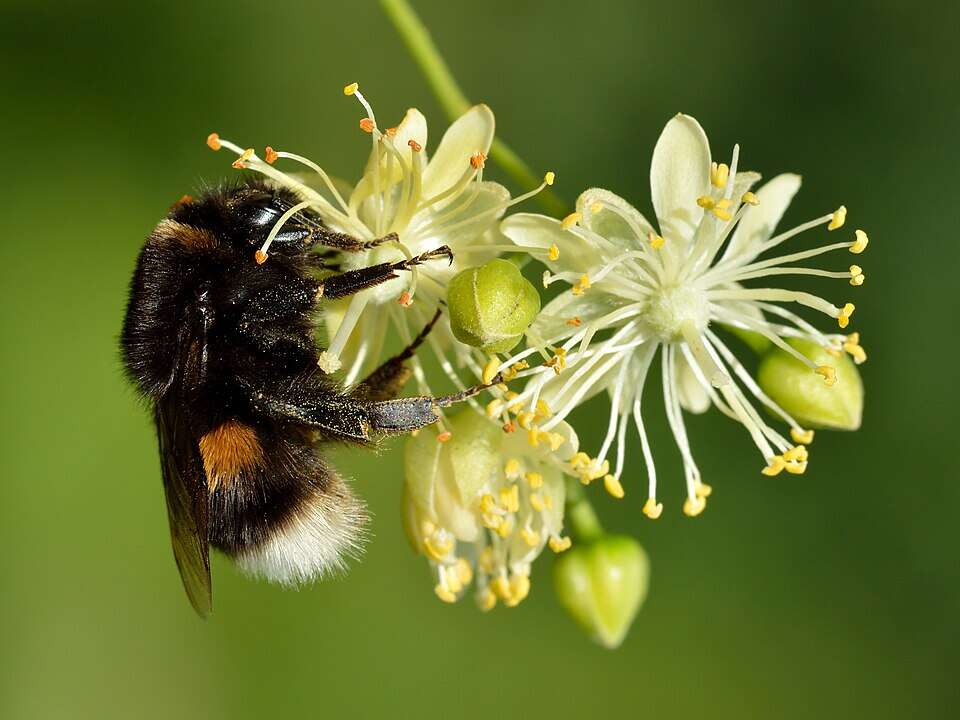
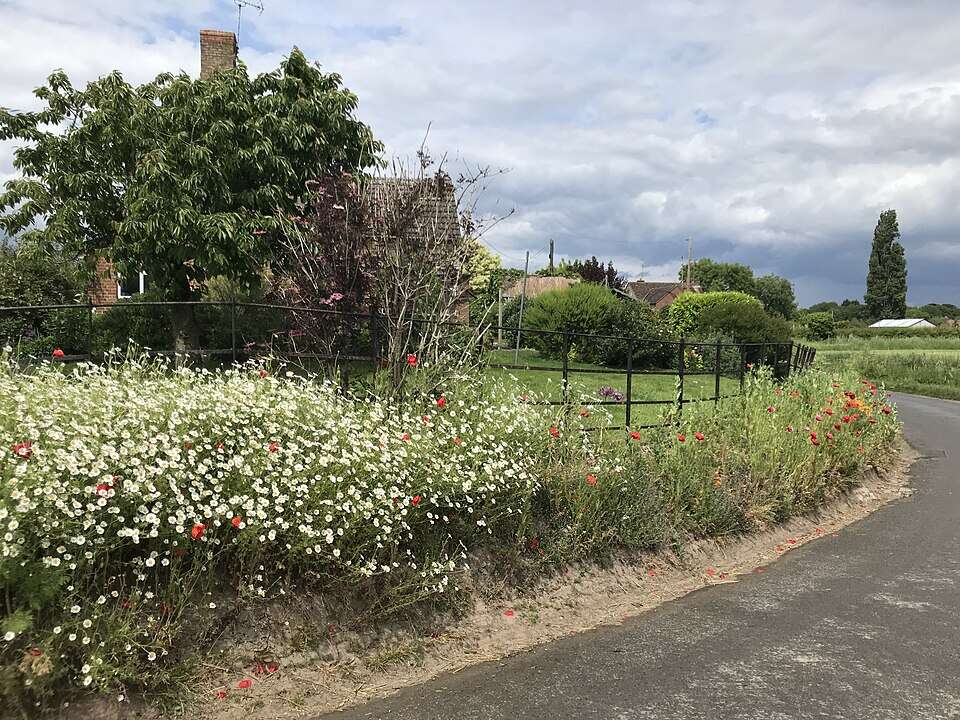
Flower-covered roadside verges are considered important habitats for pollinators, especially in agricultural regions where natural meadows are becoming scarce. These vegetation strips serve as a source of food for bees, butterflies, and other insects that survive by feeding on nectar and pollen. But a new study conducted at Lund University in Sweden shows that such flower-filled road verges, despite their benefits to pollinators, pose a lethal threat. Flower-covered roadsides attract bumblebees, but it has been observed that heavy traffic turns these sites into ecological traps, resulting in the death of many bees.
Get breaking news anytime, anywhere. Download the TOI app now!
Flower-rich roadsides can become dangerous habitats
To determine the effect of traffic on bumblebee populations, researchers studied 60 roadside verges in southern Sweden with varying numbers of flowers and traffic flows. Field studies were complemented with a unique technique of finding bumblebee nests that involved using specially trained scent detection dogs that could detect the presence of underground nests.
The study found a strong correlation between traffic volume and bumblebee mortality. Where there was a very small amount of traffic, the researchers detected very few dead bumblebees. But as the traffic became denser, the death toll from bumblebees increased sharply. The study found that after about 4,000 cars passed a road each day, dead bumblebees outnumbered live foragers.
Lead researcher Sofia Blomqvist explained that these roadsides function as ecological traps because they appear to provide suitable habitat while exposing insects to an unusually high risk of death. Bumblebees are naturally drawn to areas with abundant flowering plants, but they cannot distinguish between safe habitats. As a result, bees repeatedly visit these attractive food sources despite the increased likelihood of being struck by vehicles.
The researchers also found that bumblebee nests were mostly near private roads or public roads carrying only a few hundred vehicles each day. These quieter locations offered similar floral resources without exposing bees to the same level of danger. The findings suggest that flower-rich road verges are most beneficial for pollinators when they are located along quieter roads with less traffic.
Rethinking roadside conservation strategies
Across Europe, road authorities have increasingly promoted roadside wildflower planting as a cost-effective way to support biodiversity. Since roadsides cover extensive areas of land, they are often viewed as opportunities to compensate for the widespread loss of natural habitats caused by urbanisation and intensive agriculture. The new Swedish research, however, indicates that these initiatives require more careful planning.
Rather than treating all roadsides equally, the study recommends prioritising conservation efforts along roads with low traffic volumes. Planting native flowering species beside quieter roads could provide safe feeding and nesting opportunities while minimising collision risks. In contrast, encouraging large numbers of pollinators to forage beside busy highways may unintentionally increase mortality instead of supporting healthy populations. The study also shows that roadside habitats should not be treated as substitutes for grassland and wildflower habitats. Natural grassland areas still serve as the best places for pollinator activity because they offer abundant flowers and little danger from vehicles. Roadside verges can only complement the natural ecosystem, but not take its place.
According to Basic and Applied Ecology , scientists stressed that conservation strategy development should be based on knowledge from various disciplines, including ecology, transportation management, and landscape ecology. When planning roadside mowing, planting wildflowers, or restoring habitats, managers should consider both the benefits of attracting pollinators and the risks posed by heavy traffic. Along roads that carry thousands of vehicles each day, planting flowers that attract bees could unintentionally expose them to a greater risk of being killed by passing vehicles.
Implications for pollinator protection
Pollinator declines have become a growing global concern because bees support biodiversity and food production. The bumblebee is one of the best pollinators of many wild plants and crop plants. Therefore, conservation of these pollinators becomes important not just for biodiversity but also for human beings. Many factors, such as loss of habitat, pesticide usage, global warming, diseases, and invasive species, have been responsible for creating pressure on bee populations.
While the planting of flowers alongside roadsides has proven to be an important method for conserving pollinators, the findings of the current study challenge that idea and suggest that site selection plays just as important a role as the availability of flowers. When it comes to planning any conservation projects, care must be taken to ascertain whether or not the site has heavy traffic before planting flowers.
Infrastructure projects increasingly seek to balance human transportation needs with biodiversity conservation. By identifying roads where pollinator-friendly management is likely to succeed, authorities can allocate resources more effectively and avoid creating habitats that function as ecological traps. The research shows that successful conservation depends on understanding how wildlife interacts with human-made environments. Simply increasing the number of flowers is not always enough if the surrounding conditions expose animals to significant risks. Protecting pollinators involves creating habitats that are both attractive and safe.
As countries continue investing in biodiversity initiatives, the Swedish findings may help guide policymakers and conservationists. Roadside verges can contribute meaningfully to pollinator conservation, but only when traffic levels are carefully considered. By focusing restoration efforts on quieter roads while preserving natural meadows and grasslands, communities can better support bumblebee populations and help safeguard the essential pollination services on which ecosystems and agriculture depend.