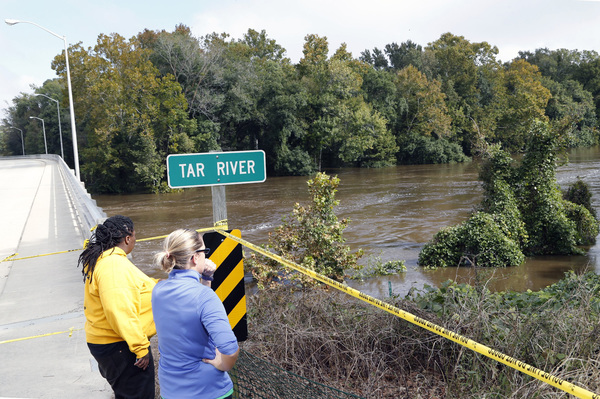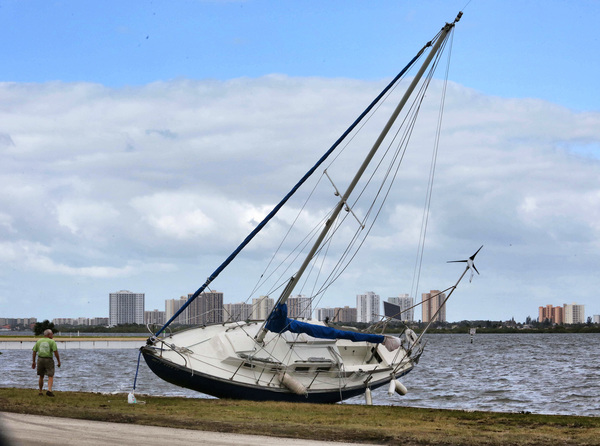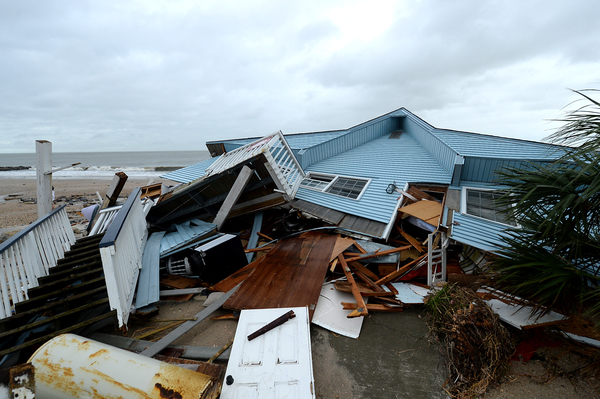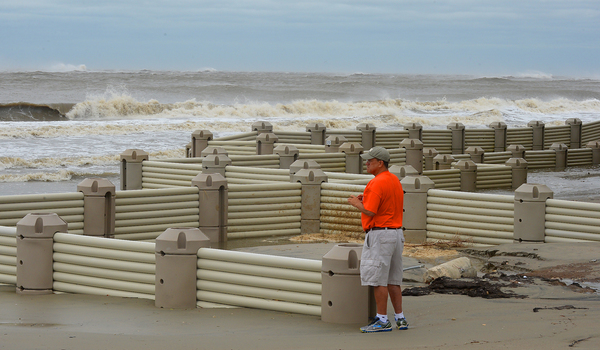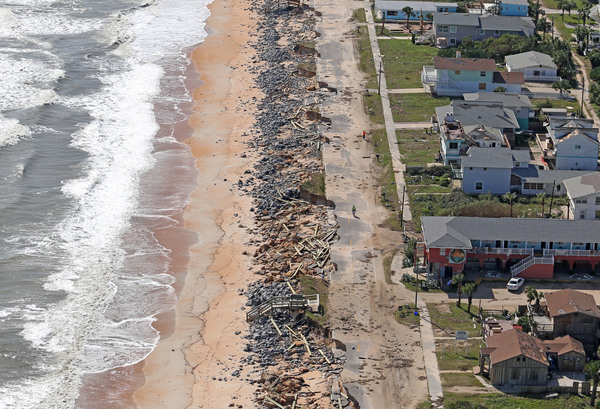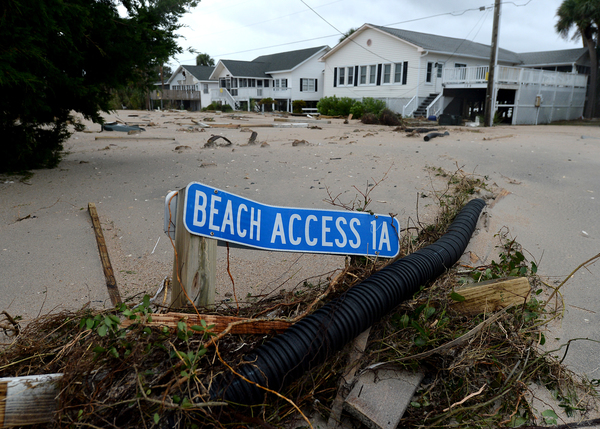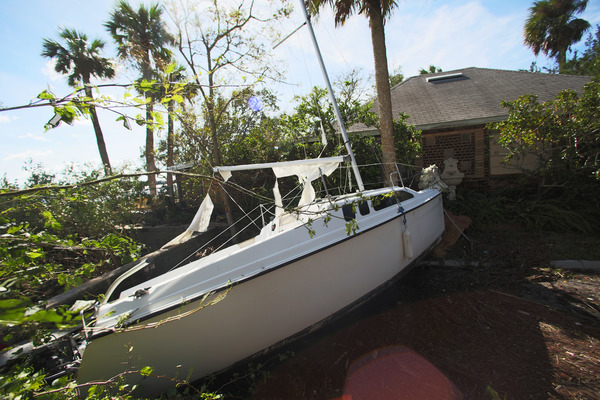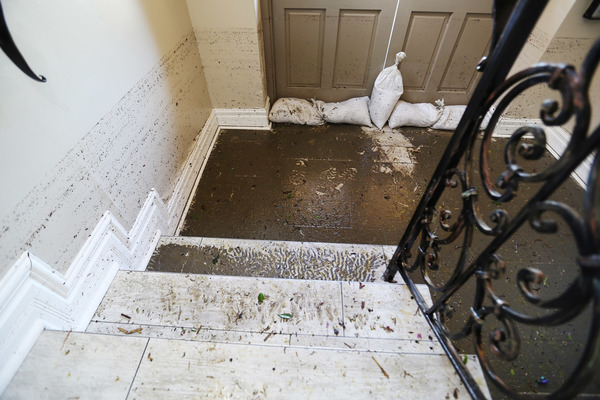
PALM COAST, Fla. �� Weakened but still powerful, Hurricane Matthew reached South Carolina Saturday, spawning "serious inland flooding" as it continued up the U.S. southeastern coast, officials said.
The National Hurricane Center said the center of the storm, downgraded hours earlier to a Category 1, arrived in the state just southeast of the town of McClellanville, which was hit hard in 1989 by Hurricane Hugo.
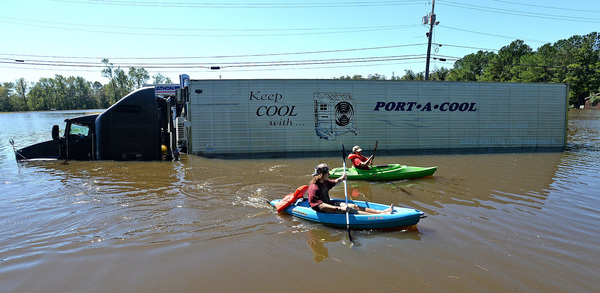
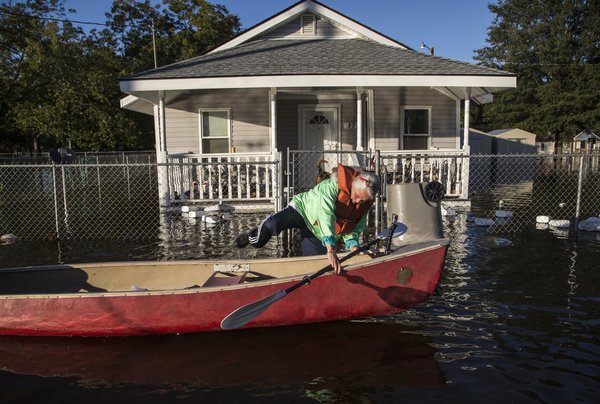
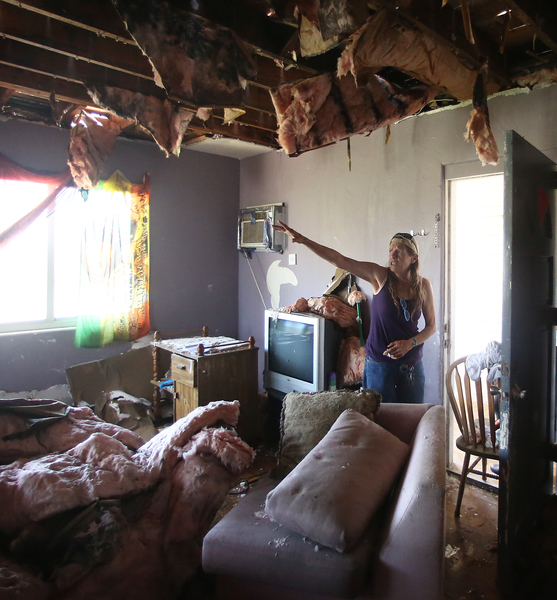
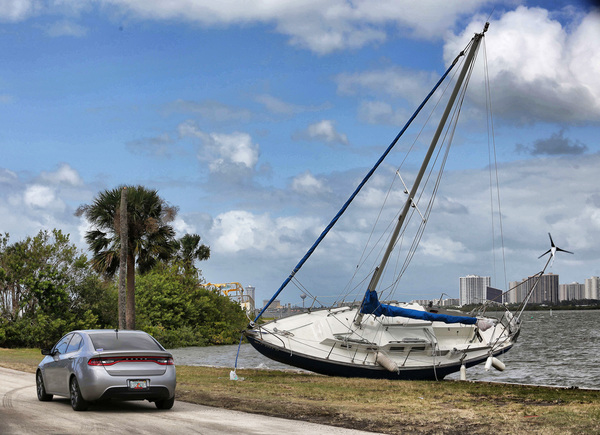
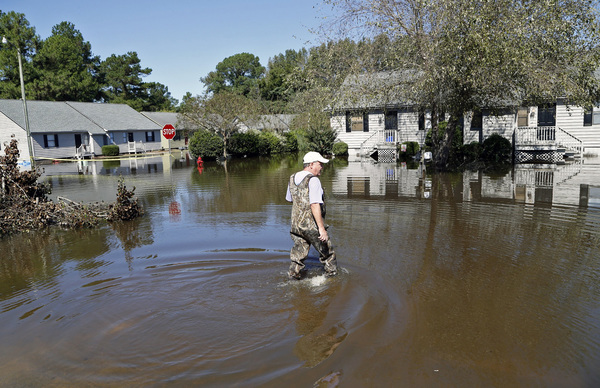
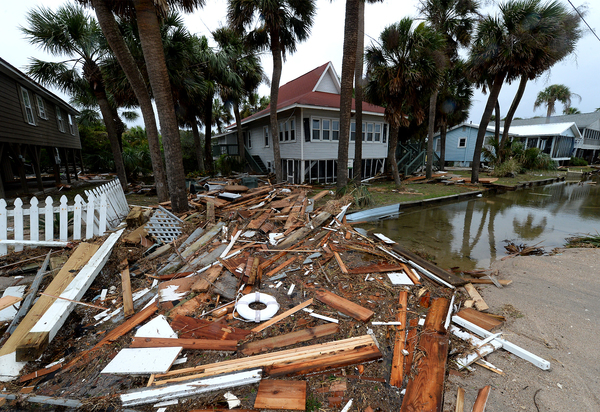
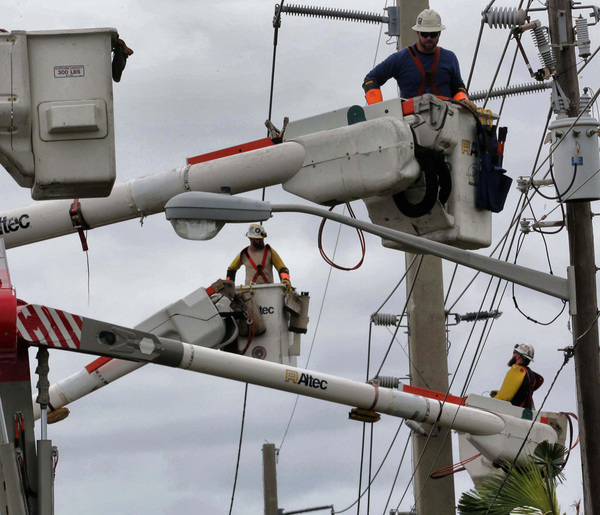
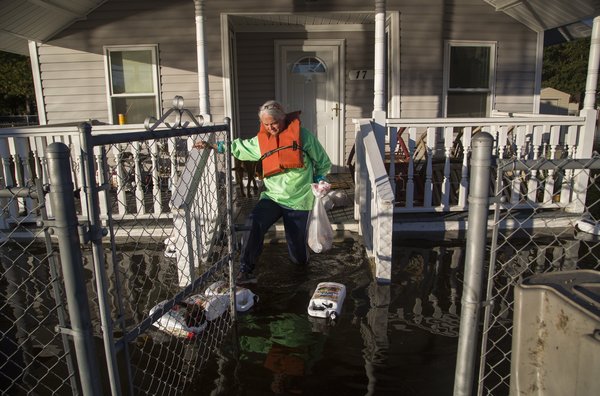
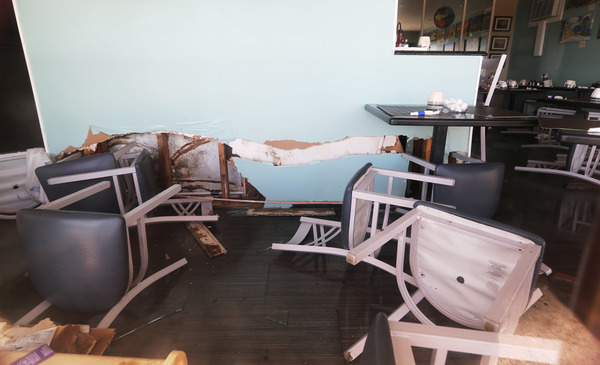
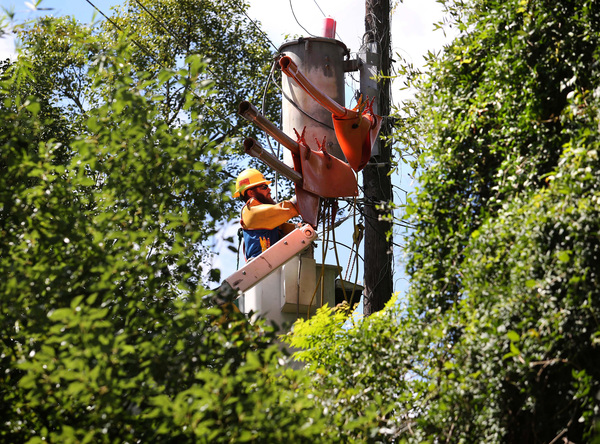
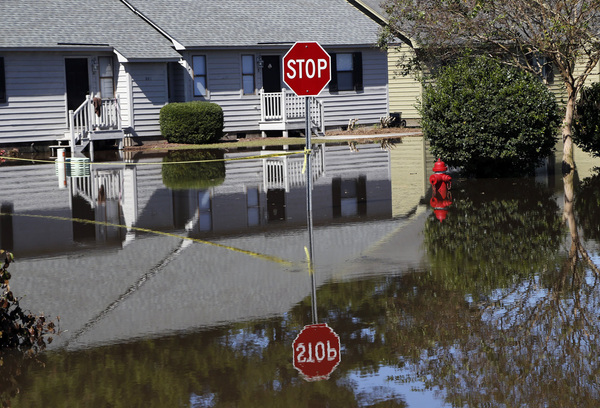
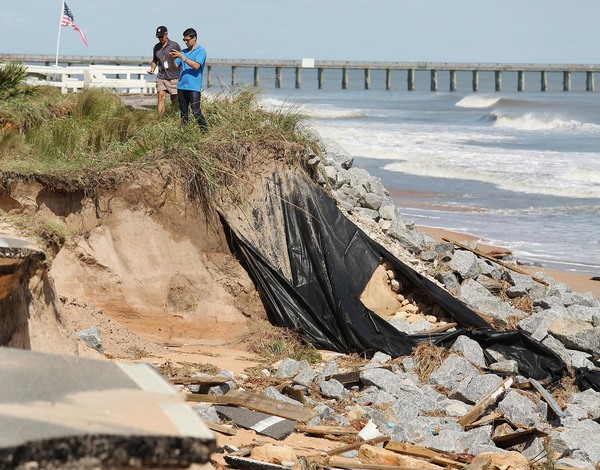
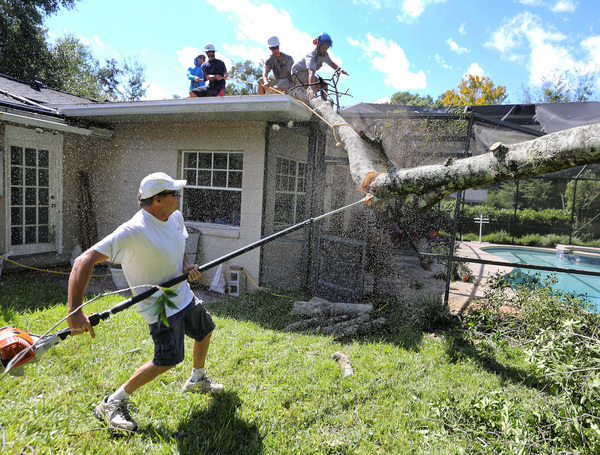
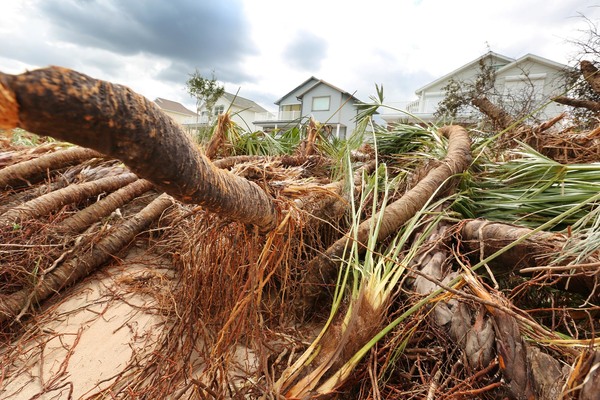
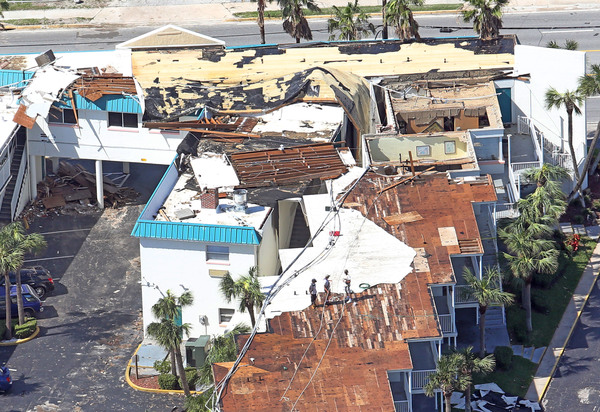
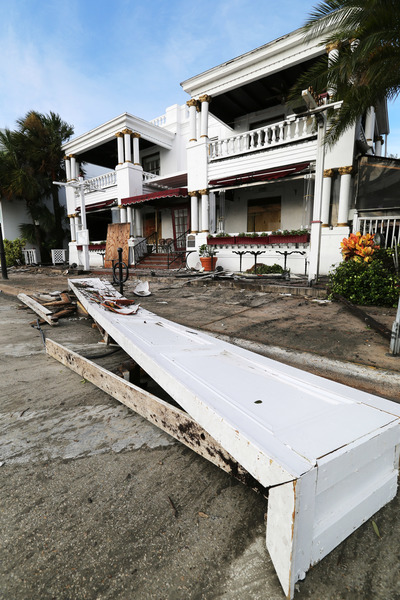
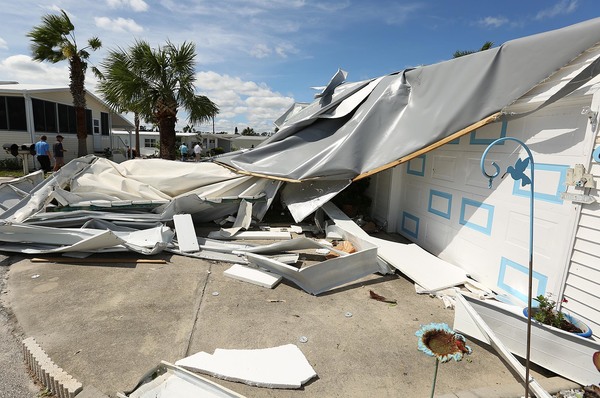
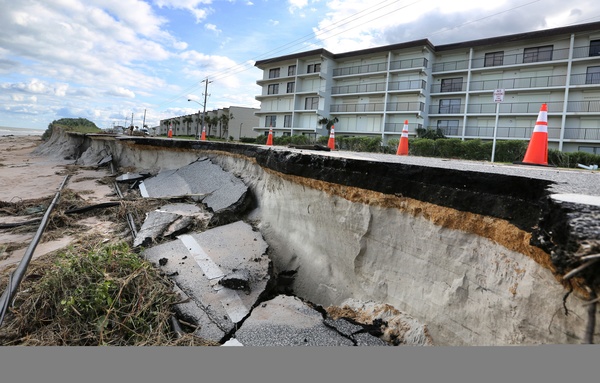
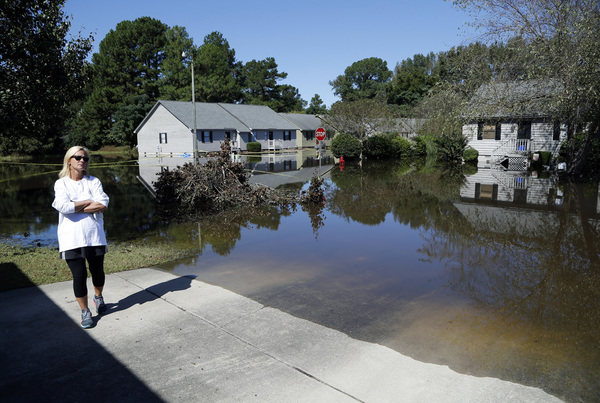
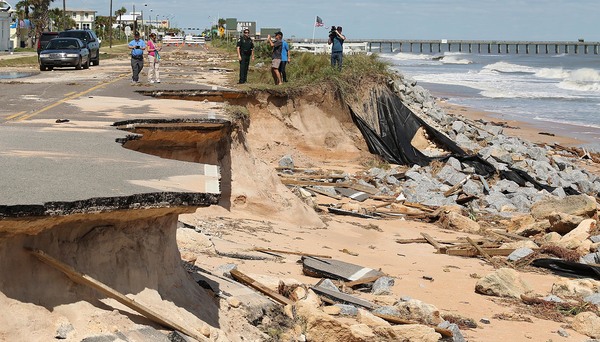
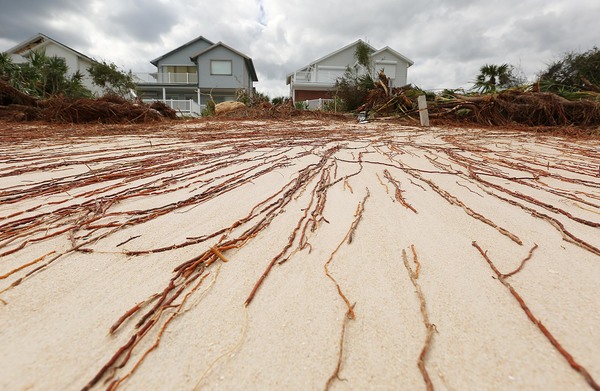
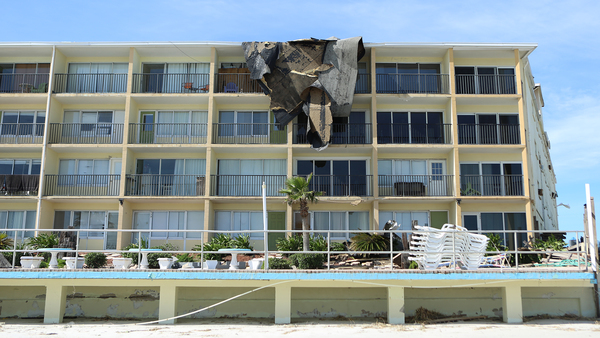
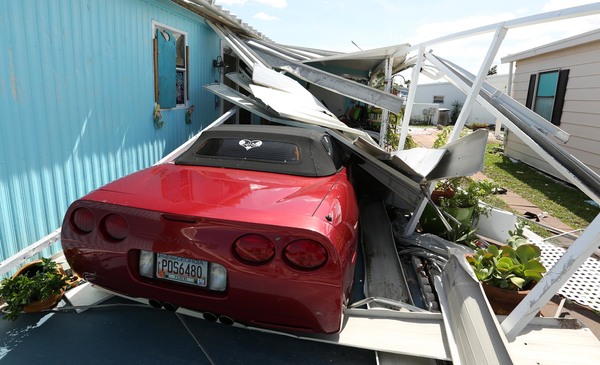
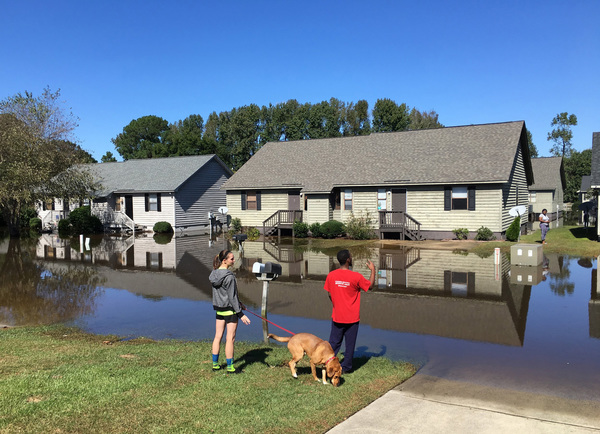
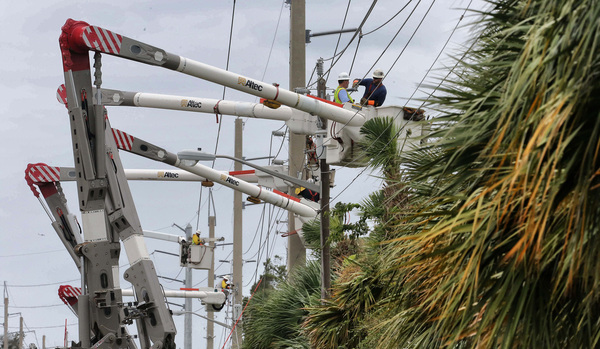
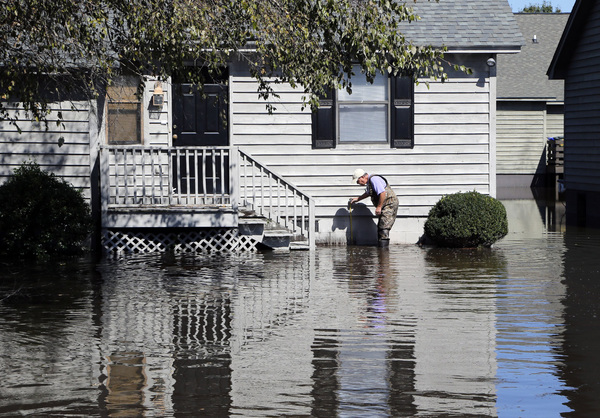
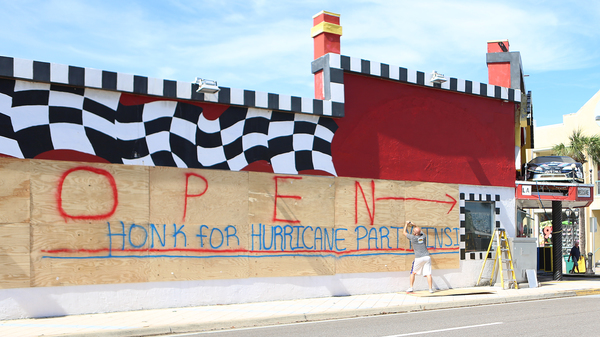
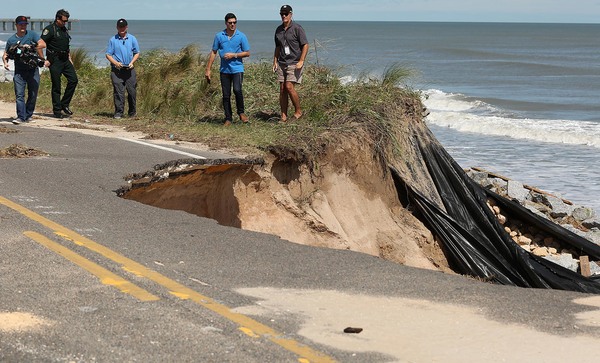
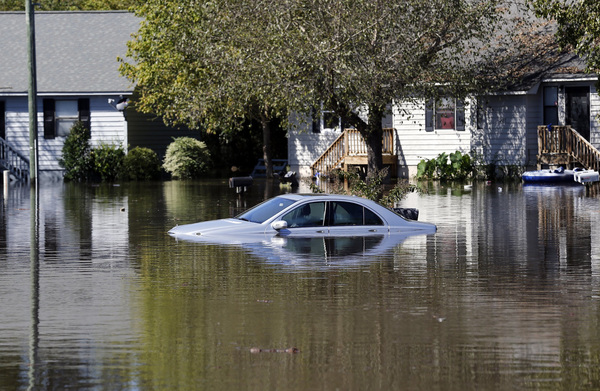
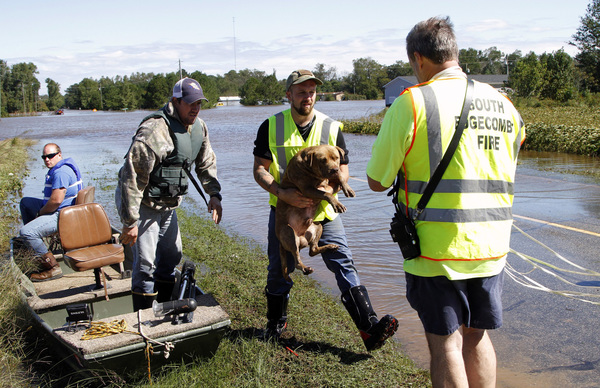
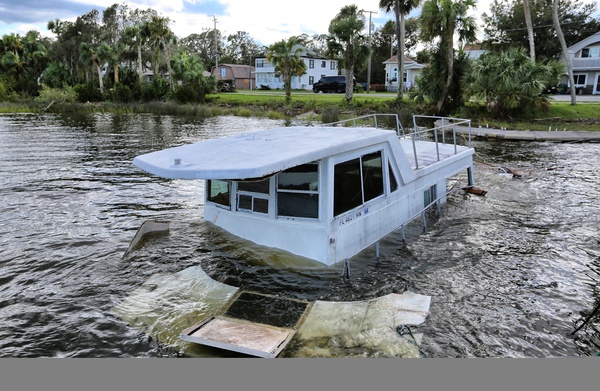
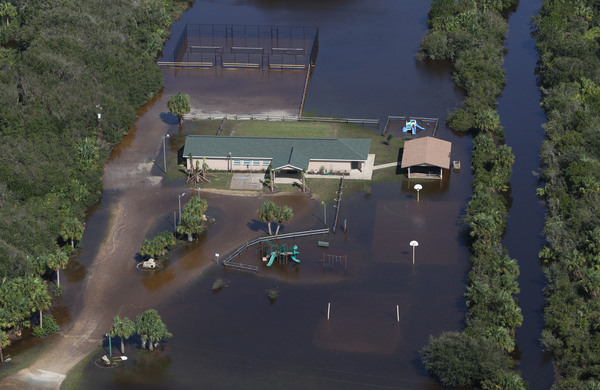
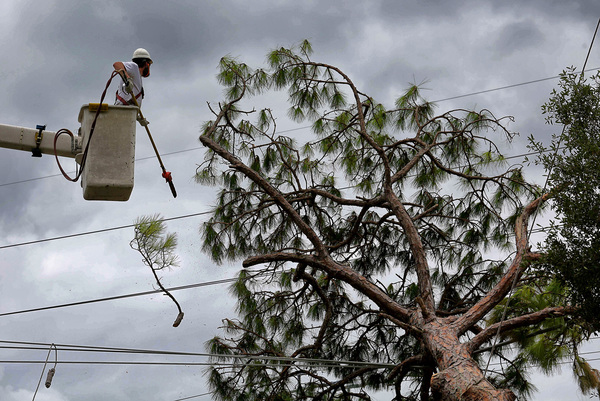
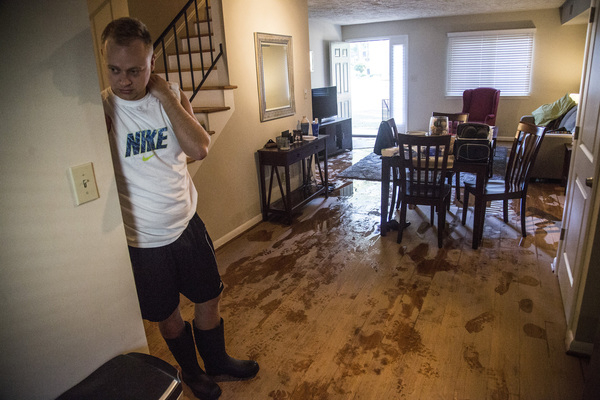
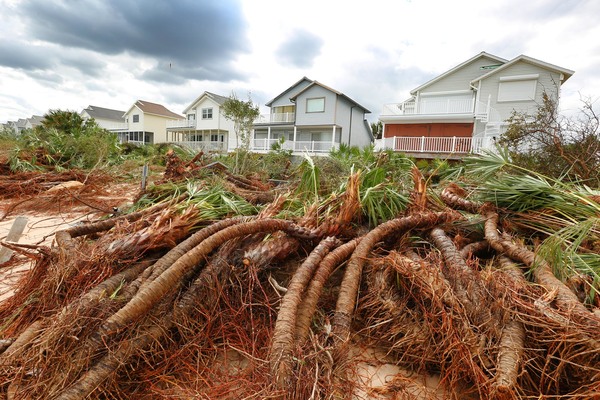
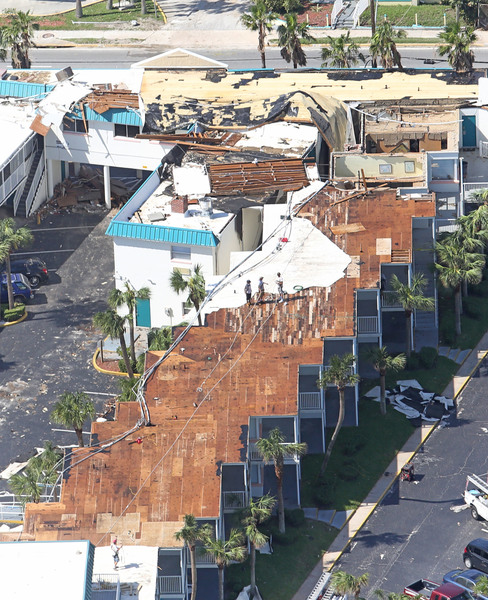
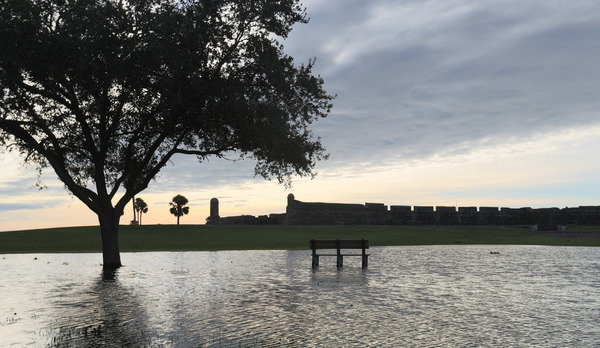
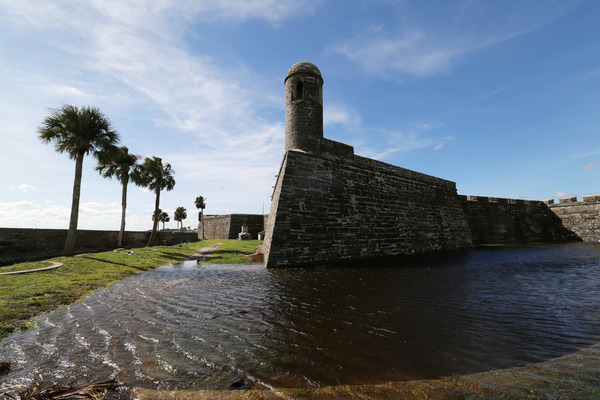
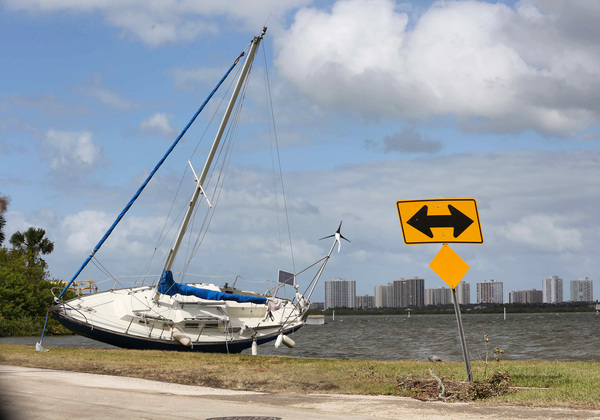
A day earlier, the storm sideswiped Florida, its hurricane-force winds and heavy rains downing trees, flooding roads and knocking out power to hundreds of thousands of people.
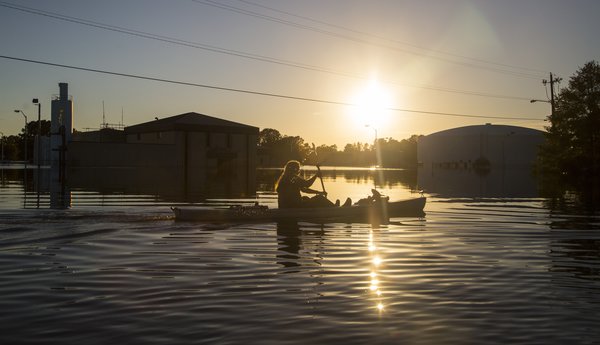
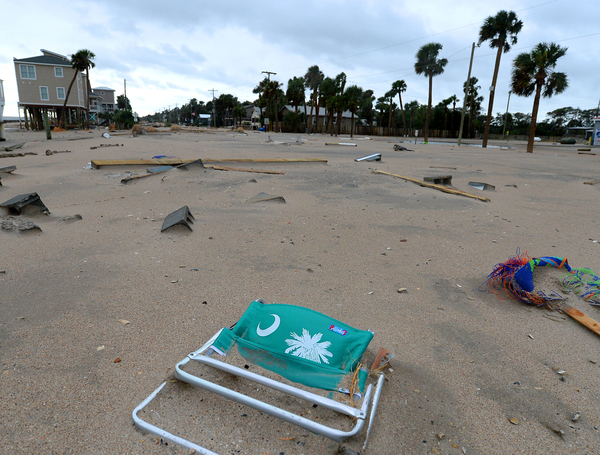
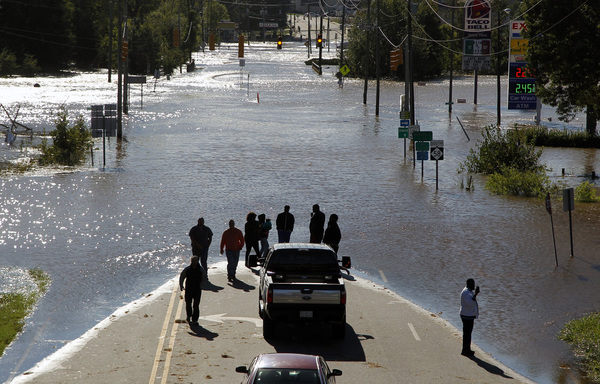
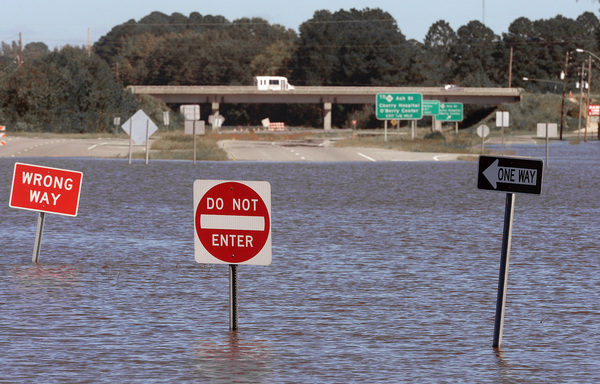
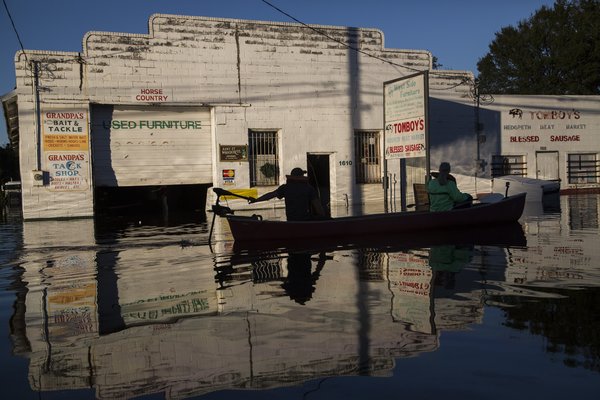
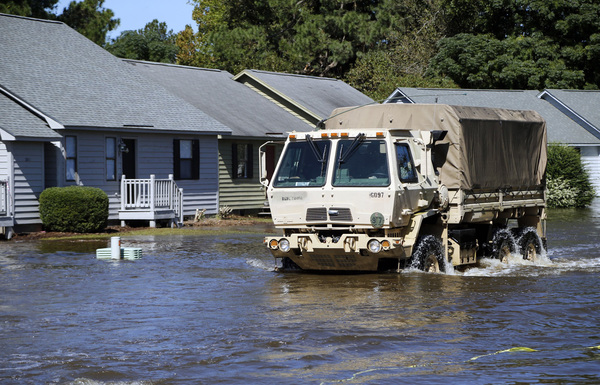
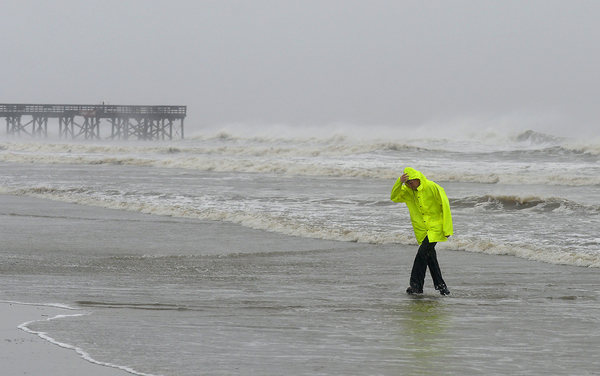
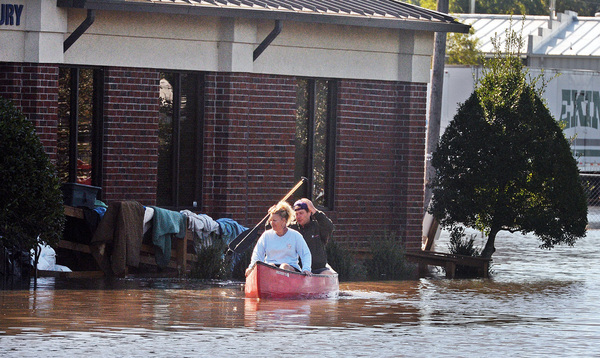
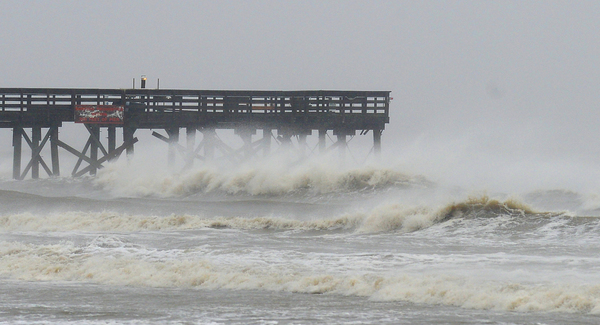
Even after losing some of its fury, the hurricane continued to lash the coasts of Georgia and the Carolinas, including vulnerable barrier islands and the centers of Savannah and Charleston, where floodwaters filled some historic streets.
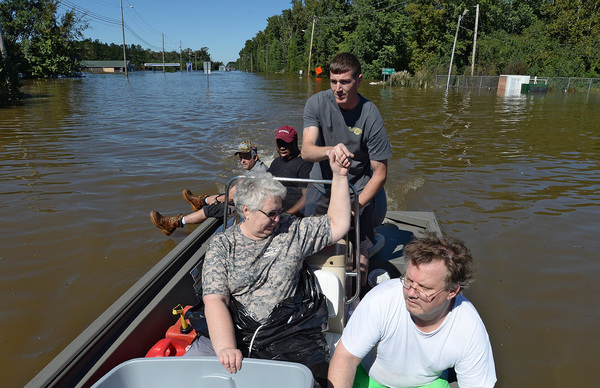
In South Carolina, downed trees cut off the two roads onto the resort island of Hilton Head as water washed across roadways.

The storm was a slow-moving monster, having smashed the impoverished Caribbean island nation of Haiti Tuesday. Unofficial estimates put the death toll there at more than 800. Its effects will be felt for days to come, possibly in the form of dangerous storm surges.
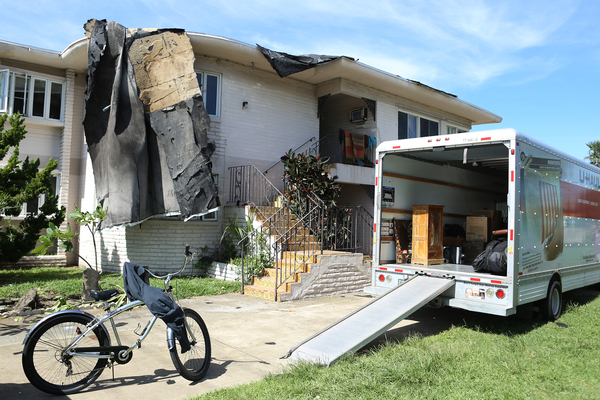
Governors of affected states, local officials and meteorologists repeated warnings against being lulled into complacency by the relatively glancing blow dealt Friday to Florida, where at least four storm-related deaths were reported and homeowners were navigating flooded streets and assessing damage.
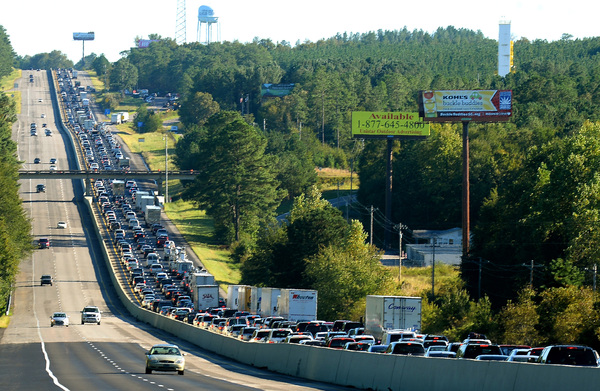
In Georgia, which has only 100 miles of coastline, Gov. Nathan Deal doubled a National Guard activation to 2,000, and took to Twitter to urge coastal residents not to return too quickly to their homes until the safety of roads and bridges could be ascertained.
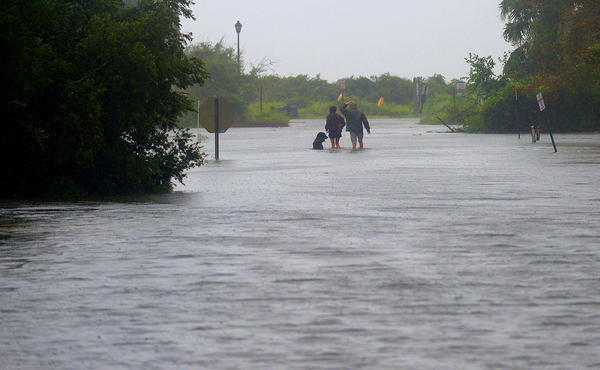
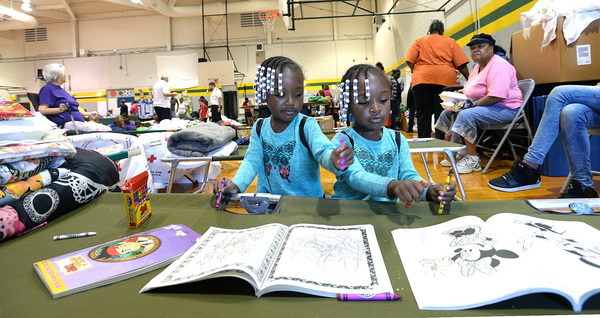
"I know you want to see your homes," said South Carolina Gov. Nikki Haley, also urging people to remain in shelters rather than venturing back to evacuation zones.
���
(King reported from Washington.)