A Holiday Inn at Heathrow airport has been block-booked to be used as a quarantine facility in anticipation of more potential coronavirus cases arriving in the UK.
The hotel will be used for those considered at risk but with nowhere else to go, the Department of Health confirmed. This includes space for people to self-isolate if they have been advised to, and to be tested for the virus and await results.
Guests booked to stay at the Heathrow Ariel hotel on Bath Road have been transferred to sister hotels.
The move comes as the government considers an evacuation flight to bring home the Britons stuck on the coronavirus-stricken cruise ship in Japan, where 454 people have now been diagnosed with the disease.
The Foreign Office is in contact with the 74 British nationals on the Diamond Princess ship in Yokohama about the possibility of repatriation flights.
A No 10 spokesperson said: “We sympathise with all those caught up in this extremely difficult situation. The Foreign Office is in contact with all British people on the Diamond Princess, including to establish interest in a possible repatriation flight. We are urgently considering all options to guarantee the health and safety of those on board.”
The government has come under mounting pressure to bring back those stuck on the ship, with other countries organising or having organised flights for their citizens.
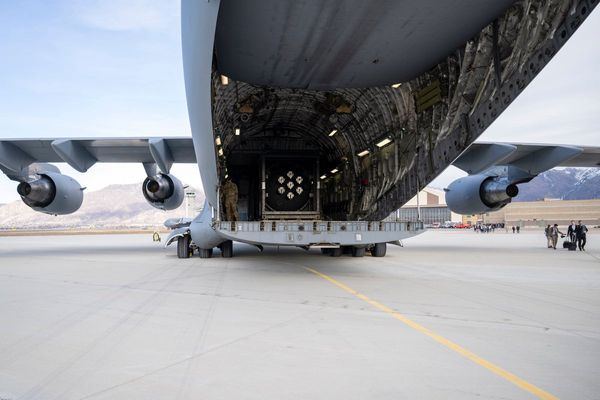
The US flew more than 300 American citizens out on Sunday, 14 of whom tested positive for the virus before getting on the plane, but were allowed to travel in isolation from the other passengers. All others will stay in quarantine for 14 days in the US.
What is Covid-19 - the illness that started in Wuhan?
It is caused by a member of the coronavirus family that has never been encountered before. Like other coronaviruses, it has come from animals. Many of those initially infected either worked or frequently shopped in the Huanan seafood wholesale market in the centre of the Chinese city.
Have there been other coronaviruses?
Severe acute respiratory syndrome (Sars) and Middle Eastern respiratory syndrome (Mers) are both caused by coronaviruses that came from animals. In 2002, Sars spread virtually unchecked to 37 countries, causing global panic, infecting more than 8,000 people and killing more than 750. Mers appears to be less easily passed from human to human, but has greater lethality, killing 35% of about 2,500 people who have been infected.
What are the symptoms caused by the new coronavirus?
The virus can cause pneumonia. Those who have fallen ill are reported to suffer coughs, fever and breathing difficulties. In severe cases there can be organ failure. As this is viral pneumonia, antibiotics are of no use. The antiviral drugs we have against flu will not work. Recovery depends on the strength of the immune system. Many of those who have died were already in poor health.
Should I go to the doctor if I have a cough?
UK Chief Medical Officers are advising anyone who has travelled to the UK from mainland China, Thailand, Japan, Republic of Korea, Hong Kong, Taiwan, Singapore, Malaysia or Macau in the last 14 days and who is experiencing a cough or fever or shortness of breath to stay indoors and call NHS 111, even if symptoms are mild.
Is the virus being transmitted from one person to another?
China’s national health commission has confirmed human-to-human transmission, and there have been such transmissions elsewhere.
How many people have been affected?
As of 20 Februrary, China has recorded 2,118 deaths from the Covid-19 outbreak. Health officials have confirmed 74,576 cases in mainland China in total. More than 12,000 have recovered.
The coronavirus has spread to at least 28 other countries. Japan has 607 cases, including 542 from a cruise ship docked in Yokohama, and has recorded one death. There have also been deaths in Hong Kong, Taiwan, France and the Philippines.
There have been nine recorded cases and no fatalities to date in the UK. As of 17 February, a total of 4,501 people have been tested in the UK, of which 4,492 were confirmed negative.
Why is this worse than normal influenza, and how worried are the experts?
We don’t yet know how dangerous the new coronavirus is, and we won’t know until more data comes in. The mortality rate is around 2% in the epicentre of the outbreak, Hubei province, and less than that elsewhere. For comparison, seasonal flu typically has a mortality rate below 1% and is thought to cause about 400,000 deaths each year globally. Sars had a death rate of more than 10%.
Another key unknown is how contagious the coronavirus is. A crucial difference is that unlike flu, there is no vaccine for the new coronavirus, which means it is more difficult for vulnerable members of the population – elderly people or those with existing respiratory or immune problems – to protect themselves. Hand-washing and avoiding other people if you feel unwell are important. One sensible step is to get the flu vaccine, which will reduce the burden on health services if the outbreak turns into a wider epidemic.
Is the outbreak a pandemic?
A pandemic, in WHO terms, is “the worldwide spread of a disease”. Coronavirus cases have been confirmed outside China, but by no means in all 195 countries on the WHO’s list. It is also not spreading within those countries at the moment, except in a very few cases. By far the majority of cases are travellers who picked up the virus in China.
Should we panic?
No. The spread of the virus outside China is worrying but not an unexpected development. The WHO has declared the outbreak to be a public health emergency of international concern. The key issues are how transmissible this new coronavirus is between people, and what proportion become severely ill and end up in hospital. Often viruses that spread easily tend to have a milder impact. Generally, the coronavirus appears to be hitting older people hardest, with few cases in children.
Other countries including Canada, Australia, Italy, South Korea and Israel have all made plans to evacuate their citizens from the ship.
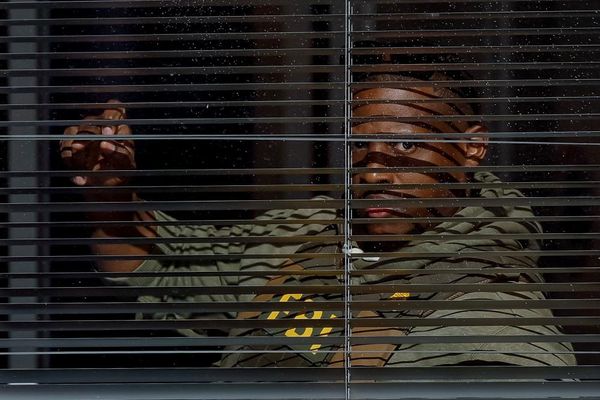
In a video uploaded to YouTube, a British passenger, David Abel, said: “It is all getting to us now. It is the not knowing factor that is the real challenge.”
Abel, who is travelling with his wife, Sally, said he had heard reports among passengers that those who had been tested were not notified if their results were negative.
He also said he had heard stories of passengers receiving a knock at their cabin door and being “frogmarched off” without time to pack if they had tested positive for the disease.
“That is frightening,” said Abel, who along with his wife has yet to hear back about his coronavirus test results. “I am going to start packing a bag just in case.”
The couple had previously reached out to the Virgin Atlantic boss, Richard Branson, for help. On Sunday night Branson tweeted: “Virgin Atlantic does not fly to Japan, but we are in discussions with the UK government and seeing if there is anything we can do to help.”
The ship’s two-week quarantine is due to end on Wednesday, although any passengers who shared a cabin with someone who has tested positive face an extra two weeks on the ship.
Citizens from many other countries will undergo further quarantine when they arrive home. It has yet to be confirmed whether UK nationals will face similar measures if they are repatriated.