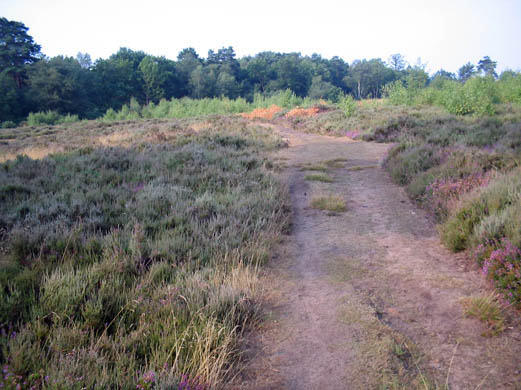
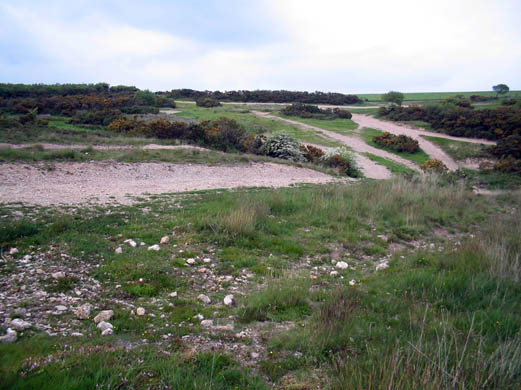
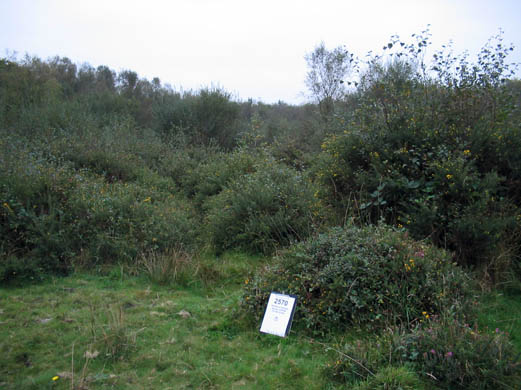
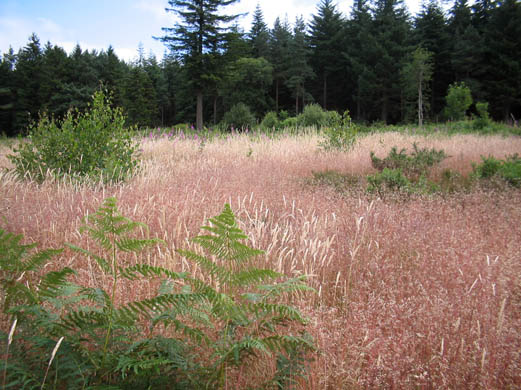
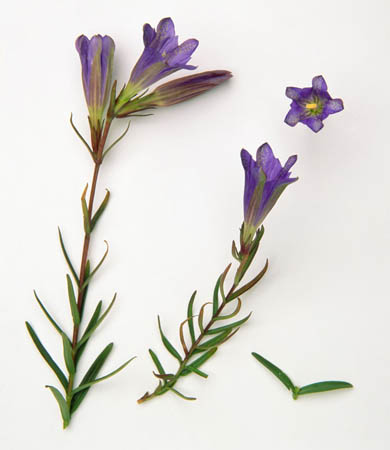
Many heathland species, like the marsh gentian, are endangered due to the reduction in the habitat available or the lack of appropriate management such as grazing Photograph: George McCarthy/Corbis
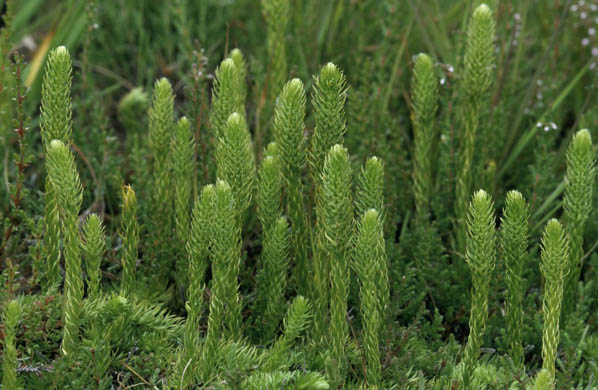
This plant is also under threat as heathland disappears Photograph: Minden Pictures/Getty

Stonechats, small, robin-sized birds, live on heaths, conifer plantations or coastal sites, especially in southern and western counties. They need bare ground and short heather and grasses Photograph: Frank Blackburn/Ecoscene/Corbis
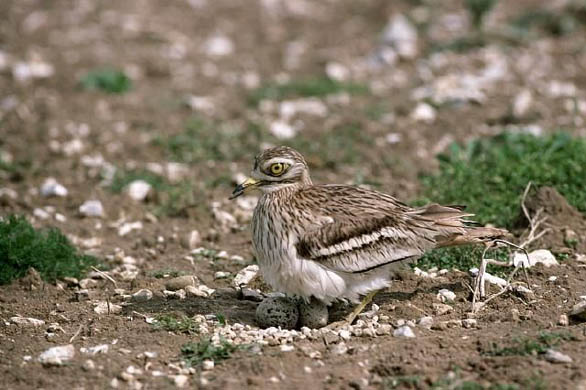
Birds such as the stone curlew will come increasingly under threat if their heathland habitat continues to degrade Photograph: Eric and David Hosking/Corbis
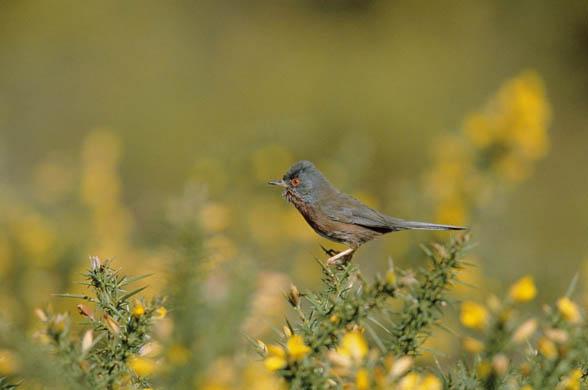
The Dartford warbler need gorse, but also short vegetation to survive Photograph: David Kjaer/Nature Picture Library/Rex Features
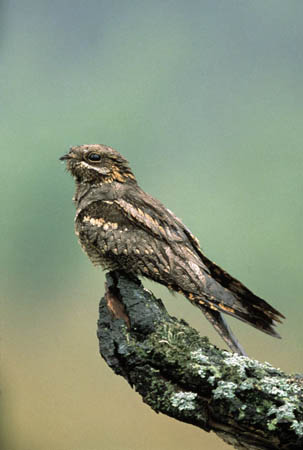
The nightjar nests in open habitat but also uses a variety of vegetation Photograph: Harry Fiolet/Foto Natura/Getty
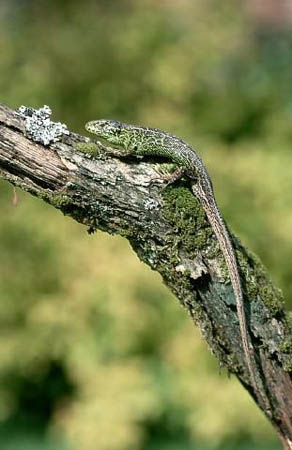
This is another species affected by the lack of open ground or vegetation structure. For invertebrates, the lack of diversity of flowering plants restricts the presence of nectar feeding species for them to eat Photograph: George McCarthy/Corbis


.png?w=600)