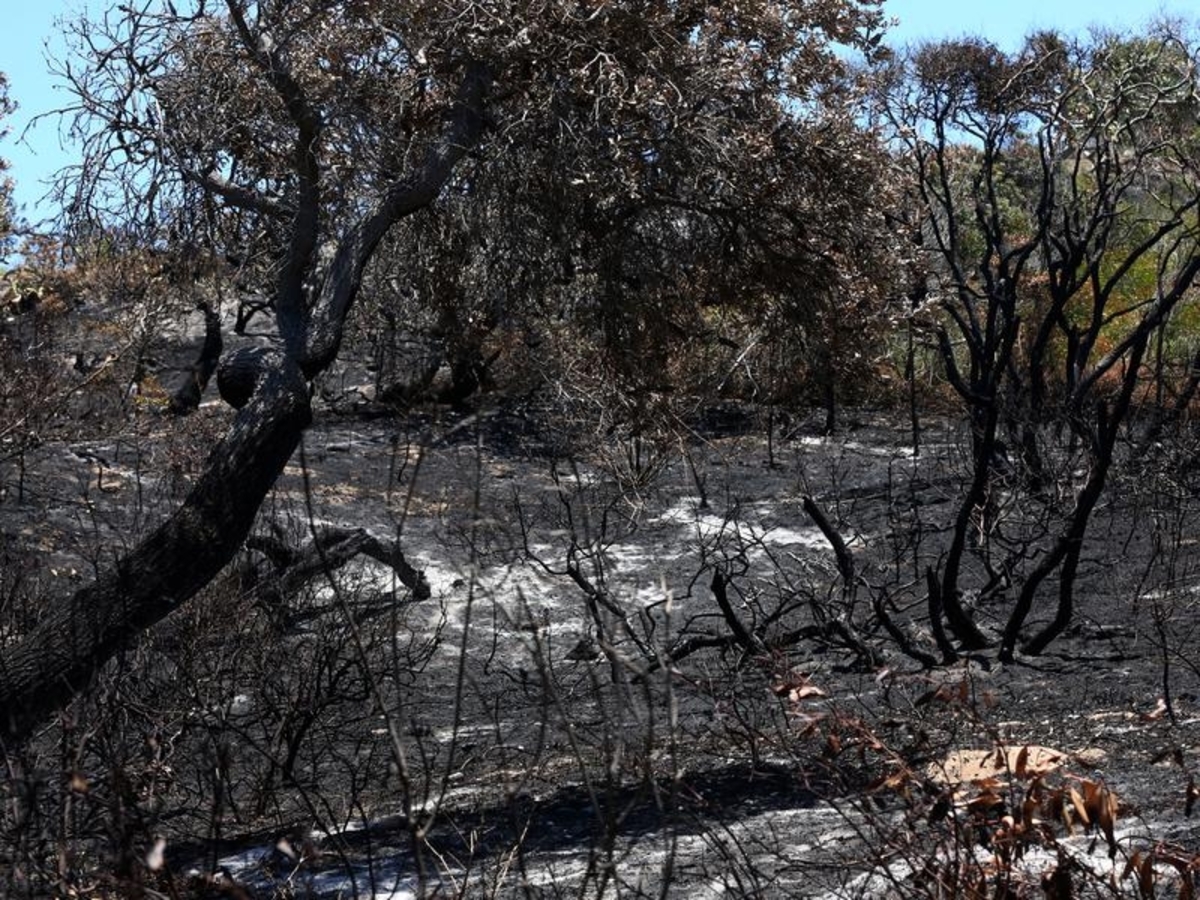
Climate change has created an environment in which Australian forests are "primed to burn", according to researchers, which will prompt more bushfire seasons like the unprecedented 2019-20 season.
The Australian National University study found temperatures in southeast Australia were 2C hotter in 2019 than the 1911-1940 annual average, and annual mean rainfall was at its lowest point on record.
It was also preceded by three years of severe drought.
This propelled a horror national 2019-20 bushfire season in which 33 people died and 10,000 homes and other structures were razed. More than 80,000 head of livestock and millions of animals were also killed.
The report, which was published on Friday in Communications Earth and Environment journal, found warmer and drier weather increased fuel loads on the ground and increased the likelihood of fire tornadoes.
Climate change would also make southeast Australian winters much drier.
The ANU researchers said Australia urgently needed to improve its climate adaptation methods and push harder for climate change mitigation - particularly the reduction of global greenhouse gas emissions.
They said the 2019-20 season should be treated as a "wake-up call".
"This climate set-up created exceptionally dry fuel loads that primed the landscape to burn and dangerous fire weather that allowed fires to quickly escalate," lead author Professor Nerilie Abram said in a statement.
"Southeast Australia's climate has shifted and this type of fire weather is becoming more frequent, prolonged and severe."
Prof Abram said the 2019-20 season was a manifestation of experts' warnings from more than a decade earlier about climate-driven bushfire catastrophes.
The royal commission into last year's bushfires recommended bestowing the federal government with the power to declare a national emergency, more consistent fire warning systems and stronger aerial firefighting capacity.
But the commission found states should remain primarily responsible for managing the on-the-ground response to any particular fire event.
Friday's report comes after the Bureau of Meteorology's annual climate statement for 2020 declared the year the fourth-warmest year on record. It was also wetter than average due to the La Nina weather pattern.