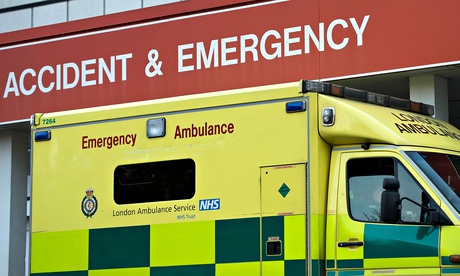
Recently, during a typically busy A&E shift, the emergency phone rang to warn the team of the arrival of a priority patient. This is usually an opportunity for the all hands on deck, fast paced medicine that most A&E doctors live for. But this priority call was different: an elderly lung cancer patient, well known to the palliative care team, was coming in with worsening shortness of breath. Which begs the question: why are these symptoms (common in the last hours of life) not being managed at home? Why is the patient who has already expressed a wish to die at home coming into A&E?
The family arrived and were irate. They felt no one had explained to them what was happening or what was likely to happen and that no one helped to fulfil the patient’s desire to die at home. In fact, they went as far as to say they felt abandoned by the system and unsupported in their desire to give their mother her final wish.
They are sadly not alone in having experienced this: 70% of people say they want to die at home, yet over half of all patients die in hospital. A recent audit by the Royal College of Physicians and Marie Curie Palliative Care institute showed that in hospitals 70% of patients deemed able to discuss end of life plans were not consulted about the details of their end of life wishes.
A quarter of family members also did not feel involved in decision making. And this problem is not limited to secondary care, as research has shown that 68% of GPs also do not feel confident in initiating end of life discussions. In order for patients’ wishes to be satisfied, it is imperative that healthcare professionals spend time discussing what people want, how they can be supported and what can be expected in those remaining days and hours.
Not only are these key issues not being discussed with patients, there is also a huge disparity in the availability of out of hours support for patients and their relatives. In 2010, half of primary care trusts did not provide a 24/7 nursing service for patients at the end of life, and there were similar problems in getting hold of out of hours medication. In the middle of the night with no support network to ask a vital question, request help adjusting pain medications, or just get some reassurance, no wonder people’s first port of call is the local A&E department.
These are important issues to consider in light of the new Choice Offers consultation, led by Claire Henry, chief executive of the National Council for Palliative Care. This review will explore what choices people would like to make at the end of life and what is needed to allow these choices to become a reality. This is an exciting opportunity to establish the shortfalls between current palliative care services and the services patients want.
Dying is an important part of life and we only have one chance to get right. For the patient and relatives I saw in A&E that day, there was no second chance: she died later that night in hospital. However, with new public consultations and increased media interest, I hope that more patients will get the chance to experience their final moments in the way they have chosen.
Dr Lucy Ison is a senior house officer (core medical trainee) at North Middlesex hospital
If you would like to write a blogpost for Views from the NHS frontline, read our guidelines and get in touch by emailing healthcare@theguardian.com.
Are you a member of our online community? Join the Healthcare Professionals Network to receive regular emails and exclusive offers.
More from Views from the NHS frontline