Health workers on the frontline of conflict – in pictures
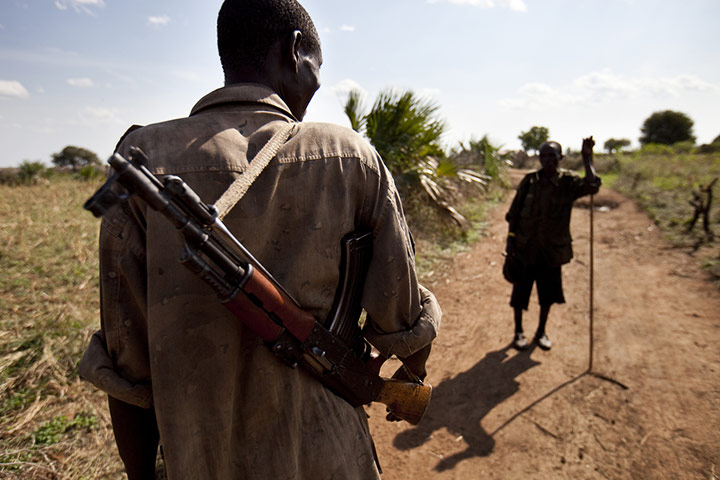
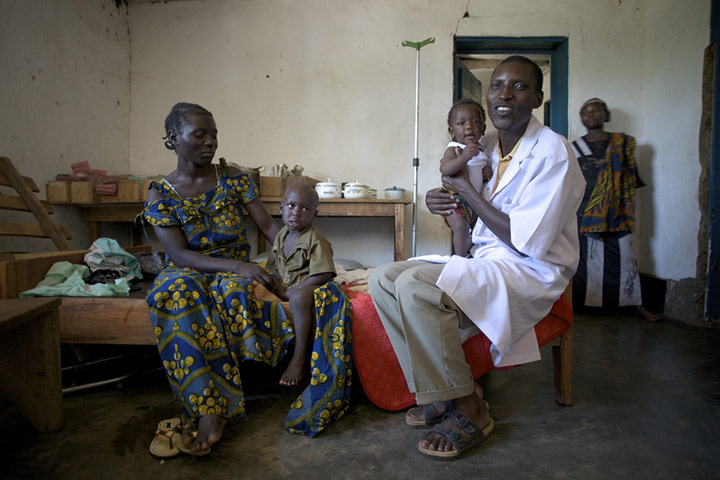
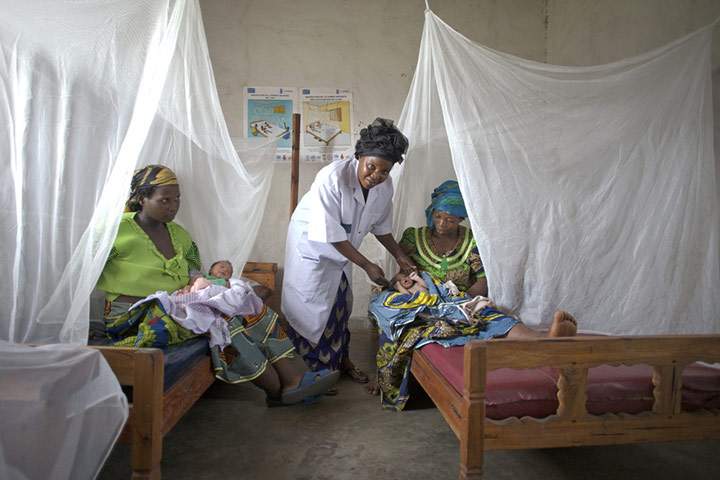
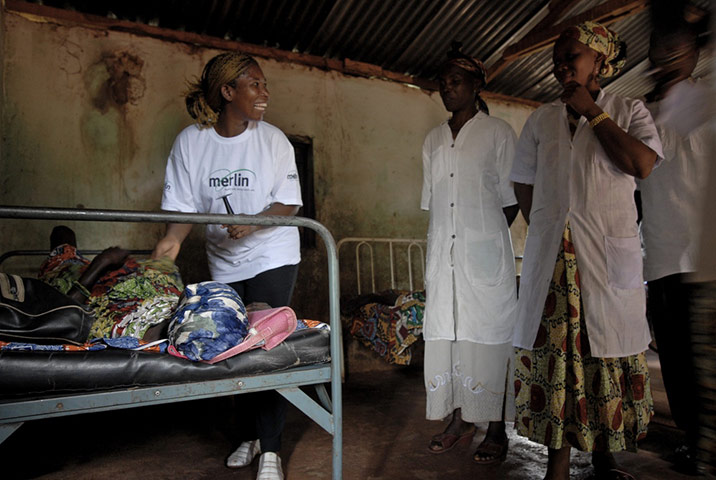
The role of health workers in conflict zones is vital to saving lives. Yet aid workers are increasingly becoming targets in the world's most dangerous war zones, with much of the violence and threats they face going unreported and unacknowledged Photograph: Trevor Snapp/MerlinNurse Donald was tortured when his clinic in the Democratic Republic of the Congo was raided by armed men in 2009. 'I was helping a mother in labour when I saw them in the doorway,' he says. 'They stole our medicines and equipment. They robbed the mother and they robbed me. They then tortured me for about an hour. By the time I returned to my patient, her baby had suffocated and died. We are trying to save lives and they are trying to kill us'Photograph: Frederic Courbet/MerlinHealth workers like Head Nurse Arlette, from the DRC, work in fear every day, putting their own lives at risk for the sake of their patients. 'Our biggest challenge is security, without doubt,' she says. 'We do not feel safe here. If I could find a job where I felt less vulnerable, I would take it. But then who would look after the people? I am always battling with fear and guilt' Photograph: Frederic Courbet/Merlin
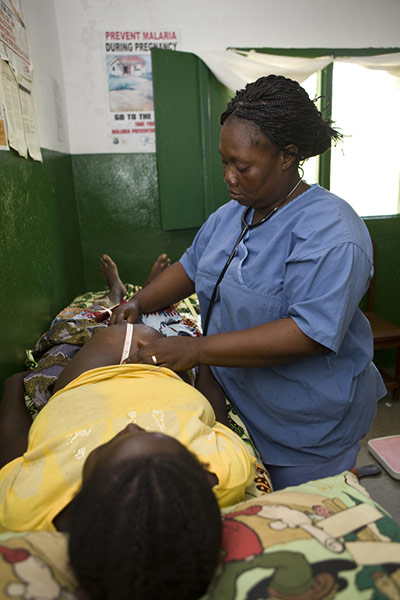
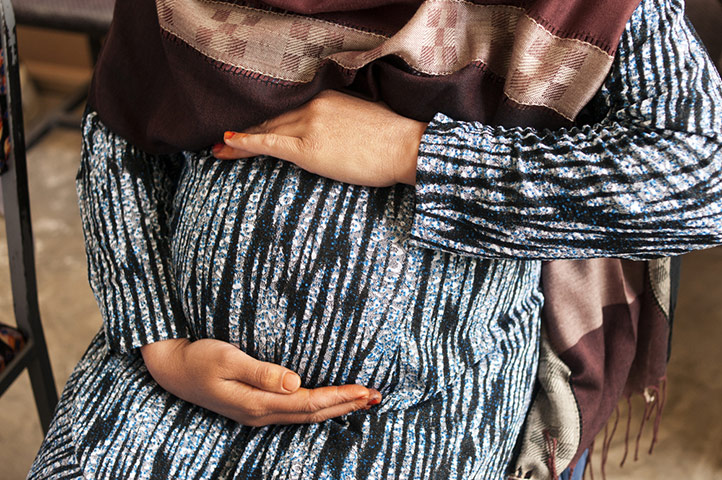
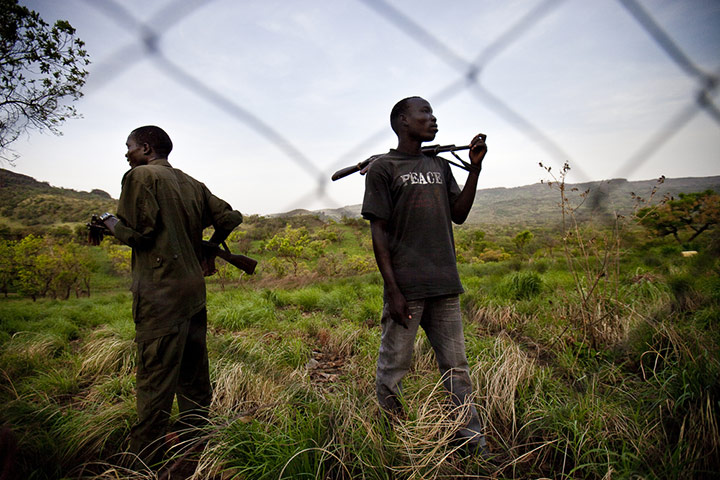
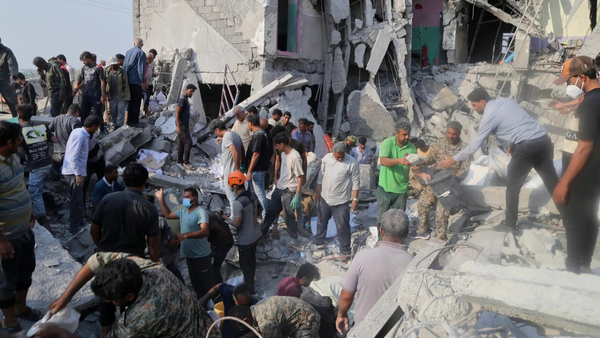
Between 2006 and 2008, 75% of attacks on aid workers occurred in just seven countries, all of which are involved in armed conflict. Margaret Williams, a midwife from Liberia, tells of her experiences during Liberia's 14-year civil war. 'The rebels attacked our clinic and the hospital – they kidnapped two nurses and two midwives and a pregnant woman,' she says. 'We never found out what happened to them'Photograph: Simon Rawles/MerlinFor every person killed directly by armed groups, up to 15 more die indirectly from disease, medical complications and malnutrition. In Farkhar district hospital in Afghanistan, Sima, 34, is nine-months pregnant with her fourth child. In Afghanistan only 14% of labours are attended by a skilled birth attendant and a woman dies every 27 minutes from pregnancy-related complicationsPhotograph: Jenny Matthews/MerlinSecuring health worker protection, and training hundreds of thousands more, are two of the surest ways to save lives. With support and investment, Nurse Olga from the Central African Republic has trained a new generation of health workers and revitalised health centres devastated by years of war Photograph: Frederic Courbet/MerlinYet despite the escalating violence against aid workers, international conventions designed to protect health workers are not being enforced. International NGOs like Merlin are calling for this to change and for governments and donors to start giving aid workers the support, equipment and protection they need to continue their life-saving work Photograph: Trevor Snapp/Merlin
Sign up to read this article
Read news from 100’s of titles, curated specifically for you.