We treat our pets like family, often buying the most expensive “premium” food to ensure their health. But a disturbing standoff is currently unfolding between federal regulators and a well-known boutique dog food manufacturer.
The Food and Drug Administration (FDA) has detected both Salmonella and Listeria in multiple samples of a popular pet food brand. Shockingly, the company is refusing to issue a voluntary recall. This leaves you, the consumer, in a dangerous limbo where a product sitting in your pantry right now could be a biological hazard, and the company isn’t legally required to tell you yet.
The Dangerous Legal Loophole
Most people assume that if the FDA finds poison in food, they can instantly seize it. In reality, the FDA usually relies on manufacturers to issue “voluntary” recalls to avoid bad PR. However, this specific brand is fighting the findings, claiming their internal tests are clean. Consequently, the product remains on shelves while the lawyers argue. This regulatory gap means the bag of kibble in your kitchen is technically “legal” but potentially lethal.
It’s Not Just About the Dog
The primary danger here isn’t actually to your pet; it is to you and your children. Dogs have shorter digestive tracts and highly acidic stomachs, allowing them to handle bacterial loads that would hospitalize a human. The risk comes from cross-contamination.
When you scoop the food, the dust settles on your hands, the counter, and the floor. Furthermore, if a toddler touches the dog bowl and then their mouth, they are directly ingesting Salmonella. You are essentially bringing a biohazard into your kitchen.
Symptoms to Watch in Humans
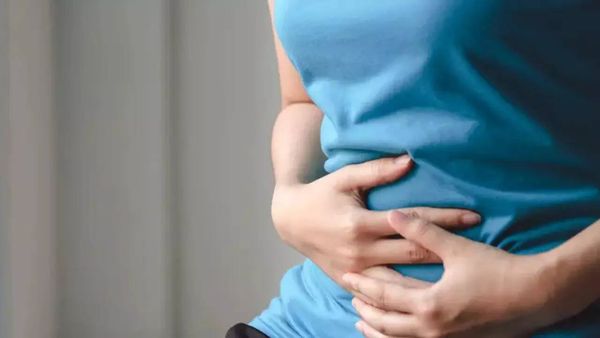
Since the company isn’t talking, you need to be the detective. If your household is experiencing unexplained stomach cramps, fever, or diarrhea, do not rule out the dog food. Specifically, Salmonella from pet food often manifests as a lingering gastrointestinal illness in humans. If you have immunocompromised family members or elderly parents living with you, this risk is exponentially higher. The FDA warning explicitly mentions that these pathogens can survive on surfaces for hours.
What to Do With the Bag
If you feed your dog a “raw” or “gently cooked” frozen diet, you are in the highest risk category. Check the FDA’s enforcement report page immediately for the specific brand name (which we cannot legally print until a formal recall is forced, but you can find via the FDA portal). If you suspect you have this food, do not just toss it in the bin. Double bag it. Then, wash your hands, the scoop, and the bowl with bleach and hot water. Treat it like you just handled raw chicken.
The Betrayal of “Premium”
We pay a premium for safety, but this incident proves that a high price tag does not guarantee quality. In fact, boutique brands often lack the rigorous “kill steps” (like high-heat extrusion) that big commercial brands use.
Trust Your Instincts, Not the Label
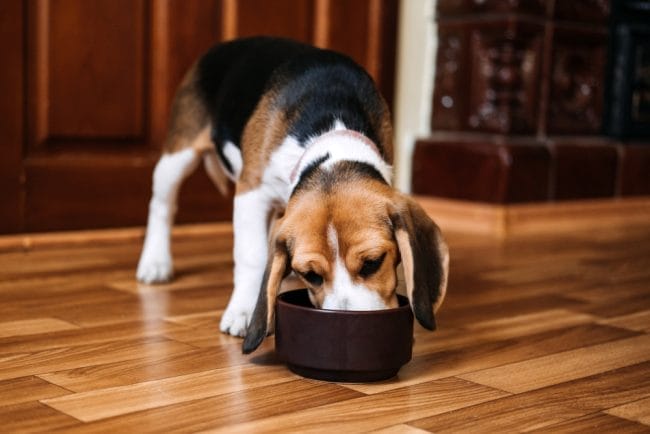
If your dog refuses to eat the food, listen to them. They can smell the spoilage before you can. Don’t force it, and check the FDA site today.
Are you worried about your pet food brand? Let us know if you’ve seen any issues in the comments.
What to Read Next…
- Florida Pet Owners: Dexters Law Just Created a Public Database of Animal Abusers
- ER Doctors Warn: 6 Common Household Plants Poisonous to Pets
- 8 Heartwarming Ways Pets Are Healing People’s Minds
The post Health Alert: FDA Detects Multiple Pathogens, Dog Food Brand Won’t Recall Products appeared first on Budget and the Bees.