Wellness tourism has emerged as a pillar of Thai tourism in recent years as intense global competition nudged the country to seek new mechanisms to attract high-quality travel markets.
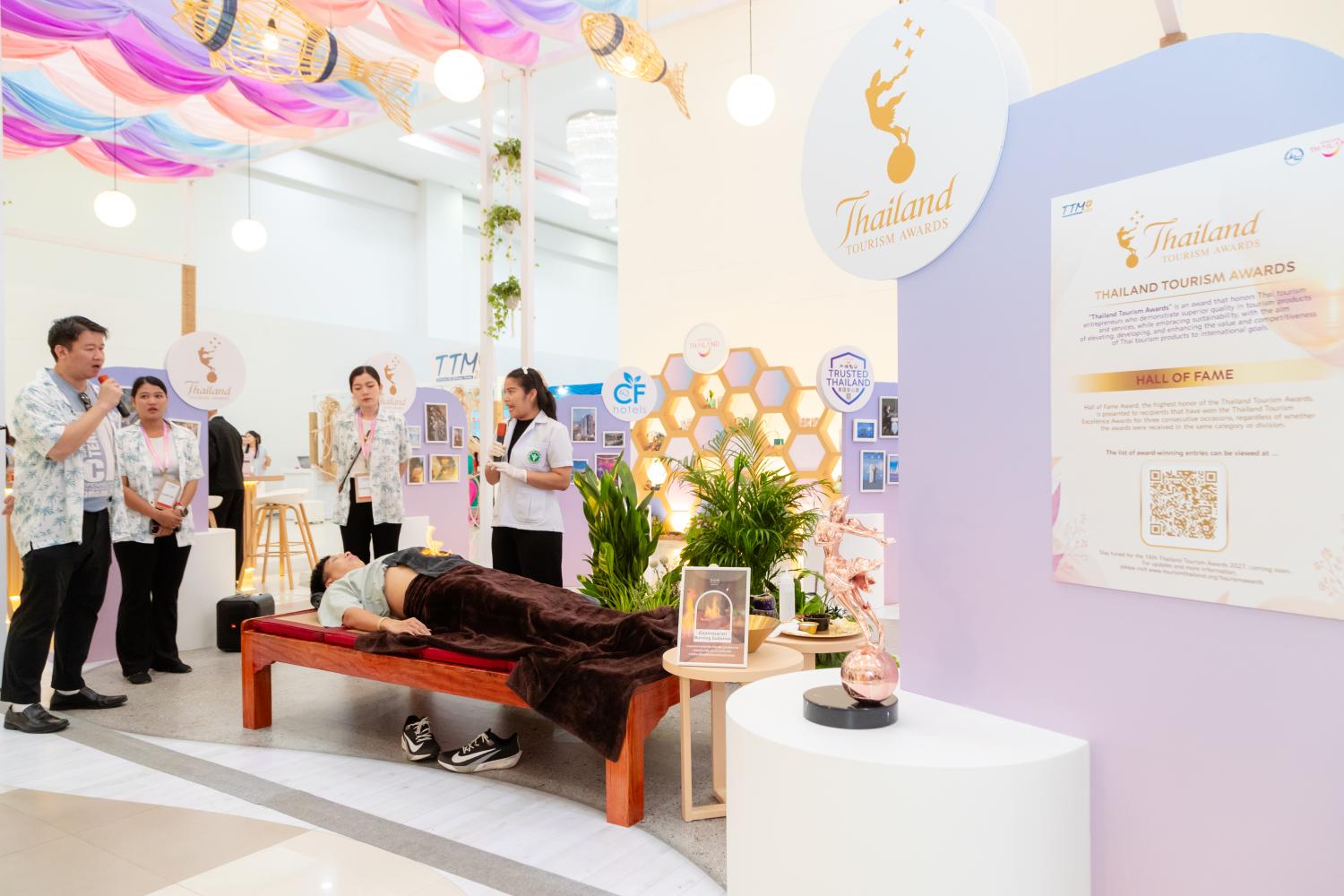
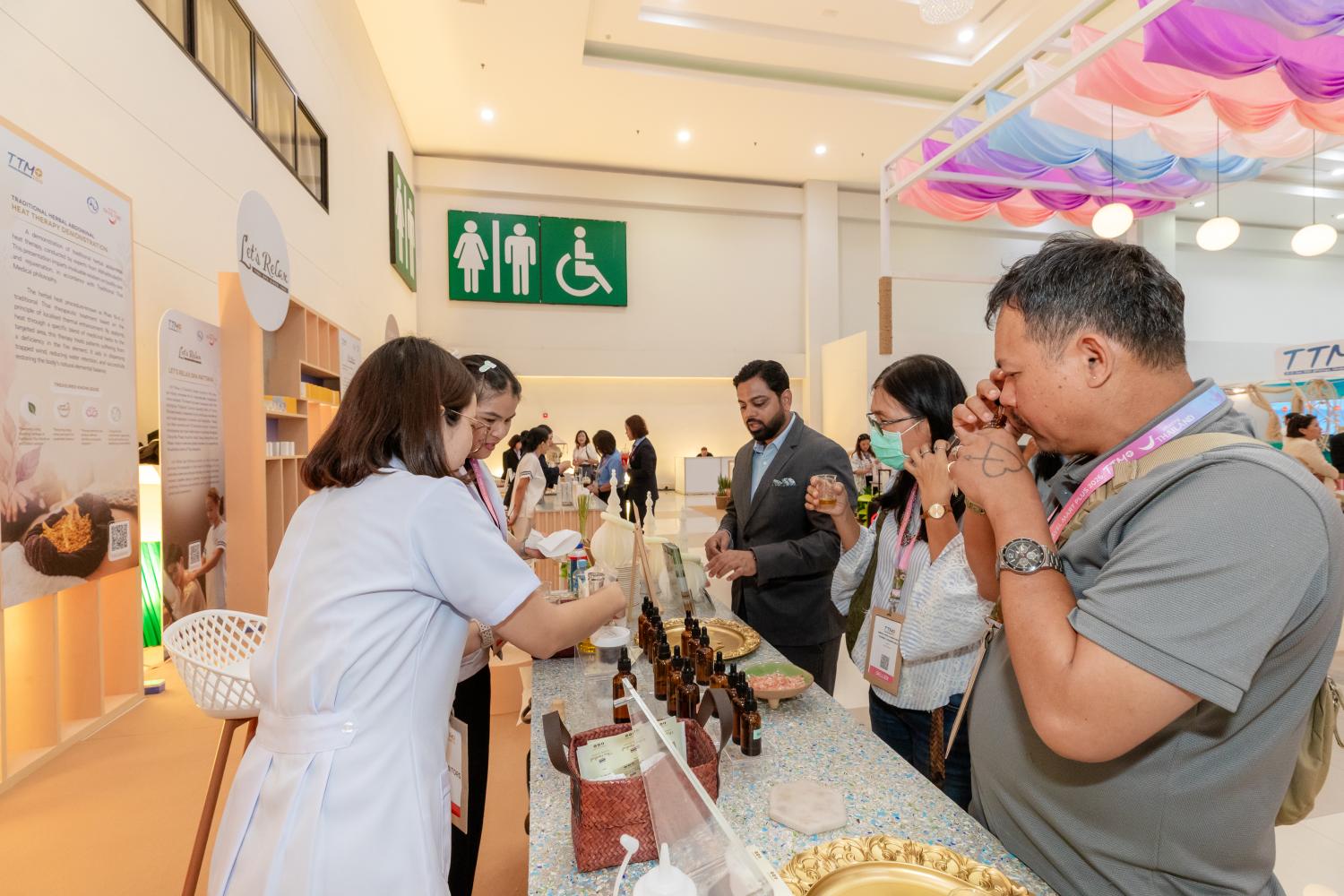
This year during Thailand Travel Mart Plus (TTM+), the country's largest annual tourism business event, the Tourism Authority of Thailand (TAT) used the occasion to promote the nation as a destination for healing both mind and body through tourism under the tagline "Healing is the New Luxury".
Thailand is scheduled to host the 20th annual Global Wellness Summit, organised by the Global Wellness Institute, where leaders from business, government and academia gather in November to help shape the global wellness economy.
To unlock Thailand's potential, tourism operators have called for more comprehensive cooperation among all stakeholders, from wellness and medical researchers to business managers and therapists, to upgrade standards across the sector.
WELLNESS PRODUCTS
Nithee Seeprae, deputy governor for marketing communications at the TAT, said health and wellness tourism is one of the fastest-growing tourism sectors globally, driven by consumer preference for preventive care and holistic well-being.
According to the Global Wellness Institute, this sector is valued at US$6.8 trillion, with an annual growth rate of 7.9%.
The wellness sector has grown faster than global GDP for 11 consecutive years, and is expected to reach $9.7 trillion by 2029.
For Thailand, the wellness economy was valued at $42.7 billion in 2024, ranking 24th globally.
In Asia, the wellness tourism sector was worth $215 billion, with the world's fastest growth pace of 31% in 2024. Thailand recorded the second-highest national growth rate in this category at 36%, following only India.
The institute highlighted Thailand's long-running wellness tradition, from traditional Thai medicine and massage to a food-as-medicine culture.
Hospitality and healthcare operators also offer personalised and preventive wellness packages to visitors, noted the trade group.
The TAT aims to integrate Thailand into travellers' wellness destination options, as the movement has shifted beyond healing to longevity and quality of life, said Mr Nithee.
Thailand's strengths include traditional practices, such as herbal steam therapy and salt hot springs, an extensive natural park system, modern medical facilities, as well as its renowned hospitality, he said.
LEISURE TRIPS
At the TTM+, the private sector pivoted to promote more wellness packages to foreign travel agents.
Chairat Rattanopas, president of the Eastern Spa and Wellness Association, said more overseas agents sought out wellness products offered by operators in Chon Buri and across Thailand at this event, with many inquiring about discussions directly with service providers rather than through intermediaries.
"Tourists no longer want to simply travel and have fun. They want to relax and restore their health during their trips," said Mr Chairat.
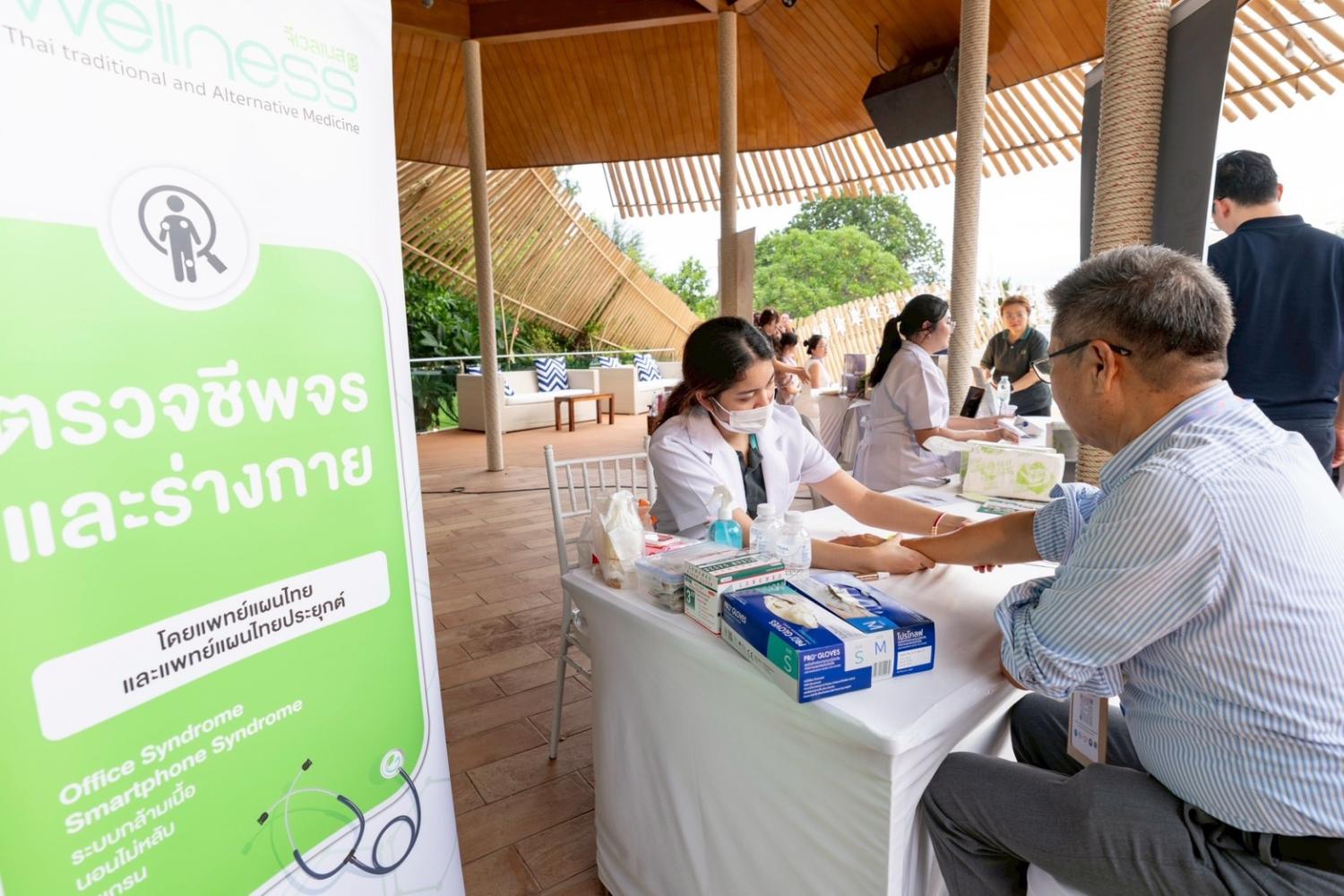
In the past, Thailand primarily promoted traditional tourism products such as hotels, food and sightseeing. Now wellness and preventive care services are incorporated into travel packages, including activities such as sound baths, ice baths and health check-ups.
He said the trend reflects growing health awareness among consumers, as seen in the popularity of aerobic dance sessions in Bangkok's Lumpini park.
In Chon Buri, similar group exercise events and clubs have been organised more frequently, attracting both local residents and foreign visitors.
More spa and wellness packages are also integrated with medical treatments, such as lymphatic drainage massage as part of post-treatment care for patients.
The Eastern Spa and Wellness Association is working with the Chon Buri Attractions Association to explore creative ways of incorporating health and wellness concepts into tourist attractions beyond spas, hotels and clinics.
For instance, animal therapy and ocean therapy could be incorporated into zoos and aquariums. A cultural theme park could also offer cooking classes, allowing visitors to learn about Thai herbal medicine, said Mr Chairat.
UNIQUE OFFERINGS
The eastern region is promoting itself as a wellness hub by highlighting the distinctive strengths of each province.
For instance, the abundance of natural attractions in Trat could lead to promotion as a nature-based wellness destination, while Chon Buri is positioning itself as an urban wellness destination with comprehensive facilities.
Apiradee Herunramdej, director of Divana Global, said each region in Thailand has its own local wisdom relating to wellness retreats, as well as distinctive cultural and natural resources that can be curated into wellness packages and healing spaces.
As a luxury spa and wellness operator, she said the company must continuously upgrade its products and services to meet evolving customer demand, particularly as the sector moves towards the longevity trend.
People have become more conscious of emerging diseases, such as Covid-19, and want to maintain their mental and physical well-being, said Ms Apiradee.
Wellness retreats are no longer confined to spas or massage centres, but have extended into people's homes, she noted.
The company wants to expand its business by offering more spa and wellness products directly to customers, enabling the brand to remain part of their daily lives in addition to providing treatments at its centres.
Roughly 70-80% of its clients are foreigners, mostly from Asia, and many of them are repeat customers, said Ms Apiradee.
Sunai Wachirawarakarn, president of the Thai Spa Association, said its survey found spending by tourists who visit Thailand primarily for wellness packages has declined since the pandemic. However, expenditure by travellers who visit for leisure or other purposes and purchase wellness programmes as add-ons has increased.
Mr Sunai said the goal is to attract more visitors from the first group, as they typically spend more than those in the latter.
LONG-TERM ROADMAP
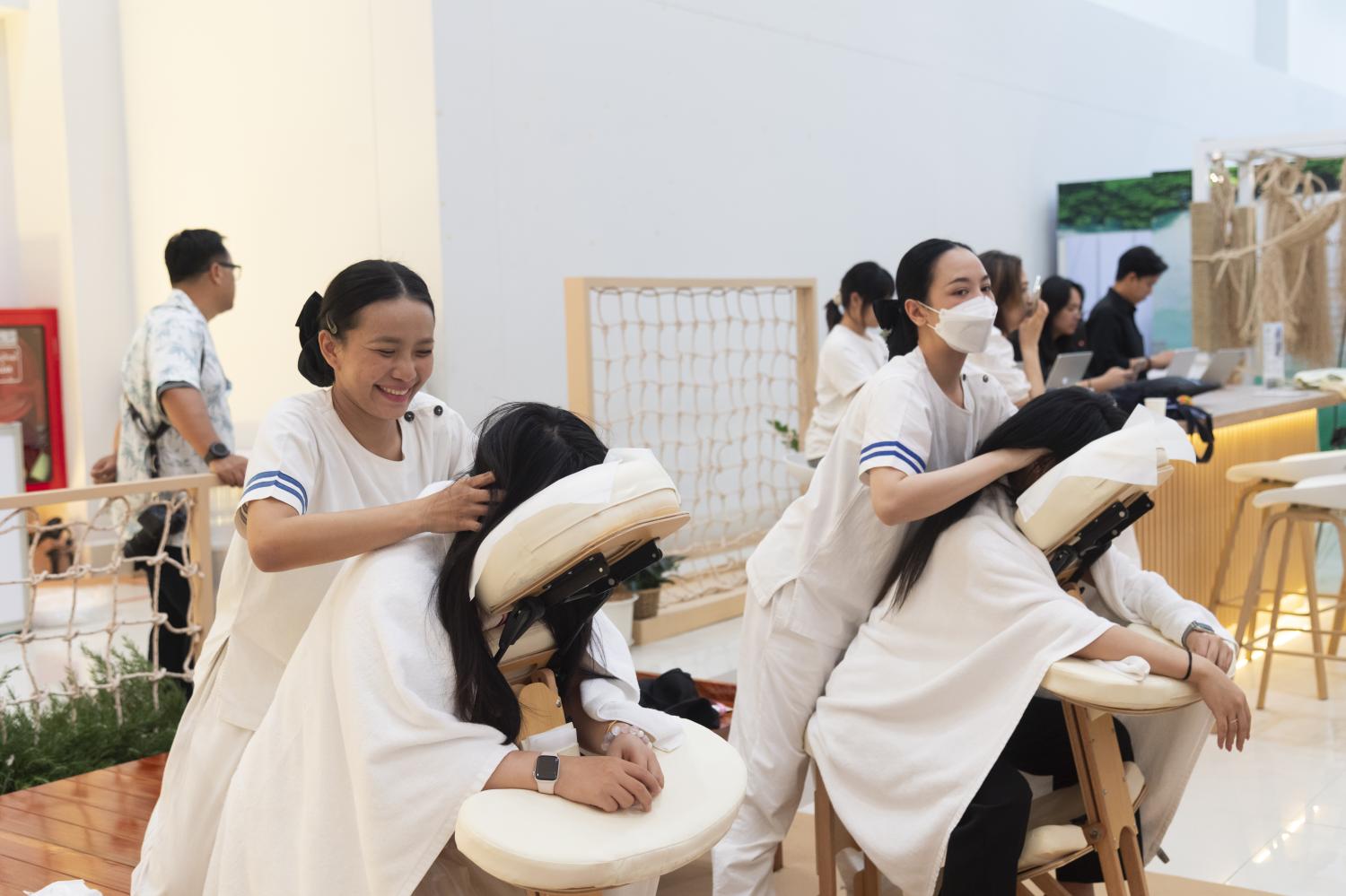
While Thailand's wellness industry is well-known for its skilled therapists, he said the country still lacks sufficient expertise and foundations in business management, particularly at the management and executive levels, despite the rapid growth of the sector.
This limitation makes it difficult to drive the industry forward without strengthening entrepreneurial capabilities, said Mr Sunai.
"We have not emphasised the role of spa managers within the industry, even though they are crucial to business growth. They deal directly with both suppliers and customers, while overseeing back-of-house operations and strategic planning, much like a hotel general manager," he said.
The association also outlined a five-year plan to work with various organisations to address persistent challenges.
"Elevating Thailand to a global wellness destination requires a long-term roadmap and more integrated structure, with stronger collaboration between public and private stakeholders across the sector," said Mr Sunai.
"All of these efforts combined can add greater value to the industry, enabling operators to offer higher-quality services at premium prices."
The initiatives include reforming the spa management education system, which is currently offered by the Thailand Professional Qualification Institute, to modernise the programme and better align with industry needs.
Certification training should be updated periodically, as individuals are currently required to take only one examination and receive a lifetime licence, he said.
In addition, the association plans to sign memorandums of understanding with UOB to provide business and financial training programmes tailored to spa and wellness management, and with the National Institute of Development Administration to develop a master's degree focusing on wellness business research.
As part of preparations for the upcoming Global Wellness Summit, where the association is serving as a partner organisation, it plans to launch a business pitching platform for students to present new ideas for the wellness industry. Proposals are slated to be judged by leading operators, including Chiva-Som and Bangkok Dusit Medical Services.
Many modern wellness treatments are now supported by emerging scientific research, including studies conducted by Siriraj Center of Applied Thai Traditional Medicine, said Mr Sunai.
However, further collaboration is needed to translate research into practice, with the association eager to play a more active role in this area, while also working with the TAT on promotional efforts, he said.
LICENSING REVISION
Mr Chairat said it is crucial for the government to reform spa business licensing regulations to keep pace with technological advances and innovation.
Many types of equipment, particularly those used for beauty and wellness treatments that do not require specialised medical expertise but can be operated by trained therapists, have developed rapidly.
However, operators are often required to obtain clinic licences and employ medical doctors in addition to securing spa licences, resulting in unnecessary costs, he noted.
The regulatory framework should be updated to better facilitate business operations and industry growth, said Mr Chairat.