Percy Kelly 'is a bit like Lowry without people (he almost never drew human figures), or a bit like Hockney without California (the furthest he ever went was Brittany).' Photograph: Castlegate House Gallery
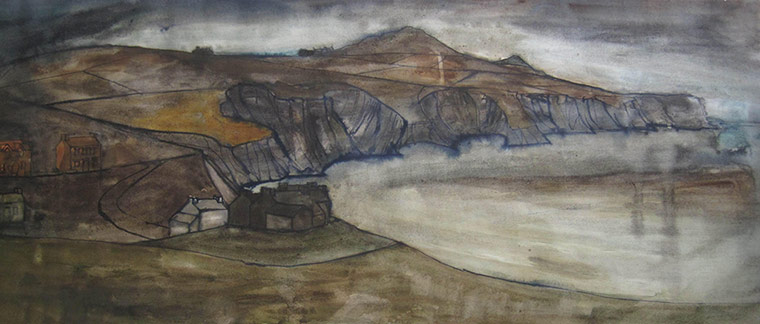
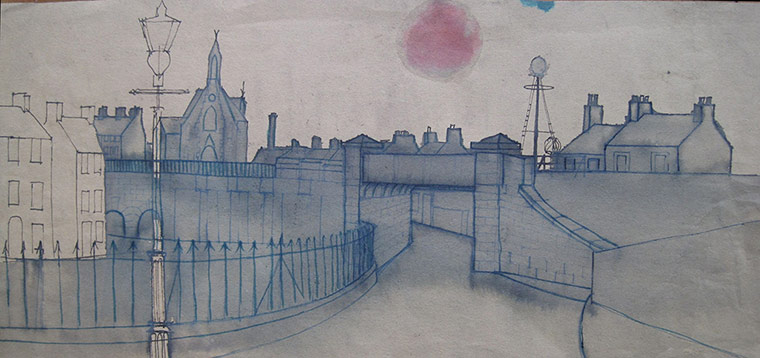
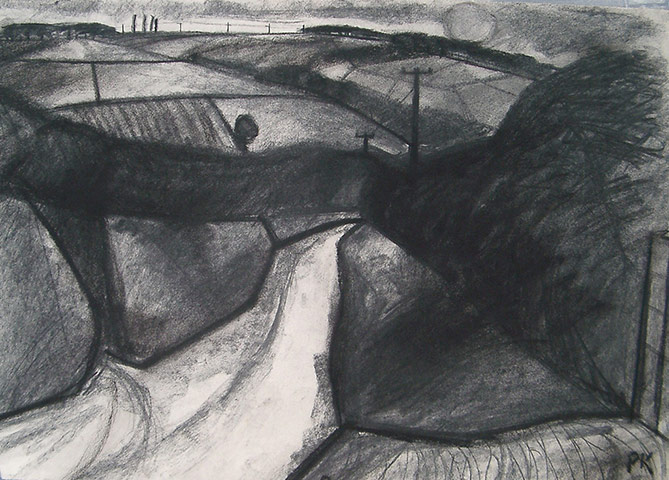
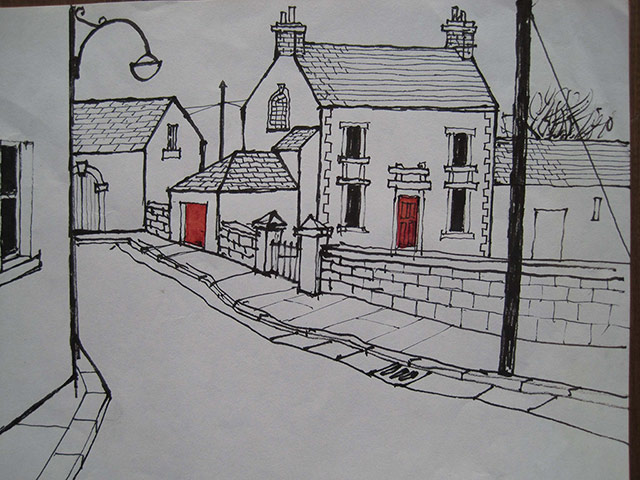
'Kelly was no primitive: the seeming simplicity of his paintings of empty roads, lonely houses, drystone walls and bare fells is deceptive.' Photograph: Castlegate House Gallery

'There was a moment at the end of the 1960s when fame seemed ready to embrace him. Rich patrons took him up. Princess Margaret was among his admirers.' Photograph: Castlegate House Gallery
'But Kelly was so difficult – paranoid, narcissistic, hypochondriac, self-destructive – that the moment of opportunity passed. It was to be 40 years before his work was shown in London again.' Photograph: Castlegate House Gallery
'The biggest problem was his refusal to sell his work. He had only five exhibitions in his lifetime.' Photograph: Castlegate House Gallery
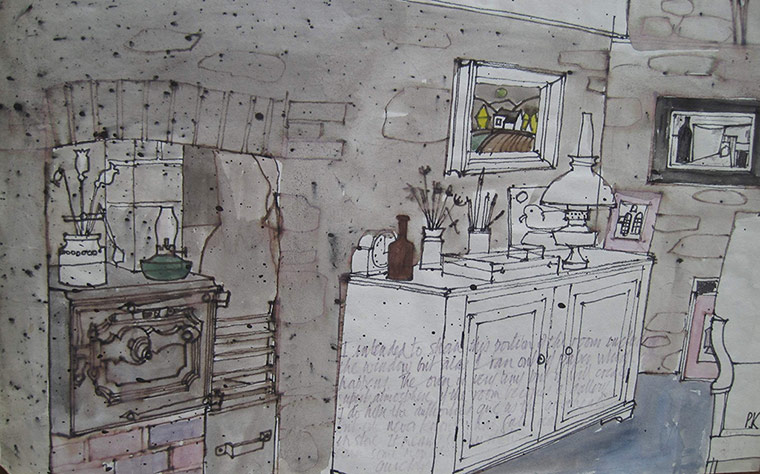
'With posthumous recognition in mind, he squirrelled many of his paintings away.' Photograph: Castlegate House Gallery
'Born Robert Percy and known by many as Bob, Kelly changed his name by deed poll to Roberta Penelope in 1985 and spent as much of his last eight years as he could in women's clothes.' Photograph: Castlegate House Gallery
'The cross-dressing had begun many years before: his first marriage ended when his wife Audrey came home one evening to find him wearing her grey Jaeger knitted dress.' Photograph: Castlegate House Gallery
'His early work, as Percy or Bob, exudes a fascination with machinery and light industry. As Roberta, the emphasis becomes more domestic and decorative.' Photograph: Castlegate House Gallery
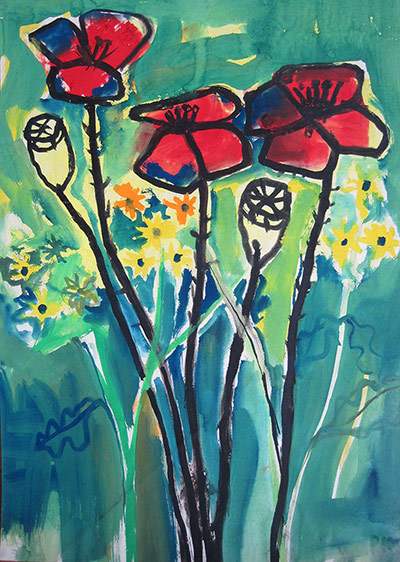
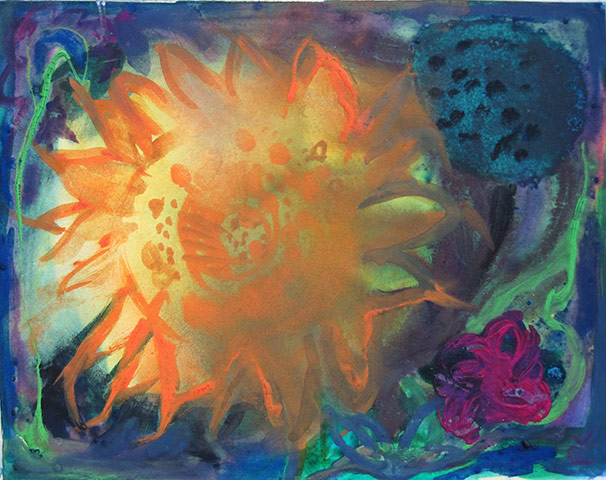
'He exulted in colour too.' Photograph: Castlegate House Gallery
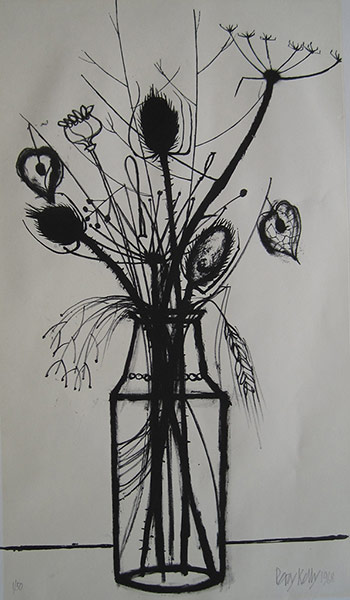
'But "anyhow I'm a sad person and feel b/w" he said, quoting Coleridge on the beauty of steely rain, bare wintry trees and ragged, dirty snow.' Photograph: Castlegate House Gallery
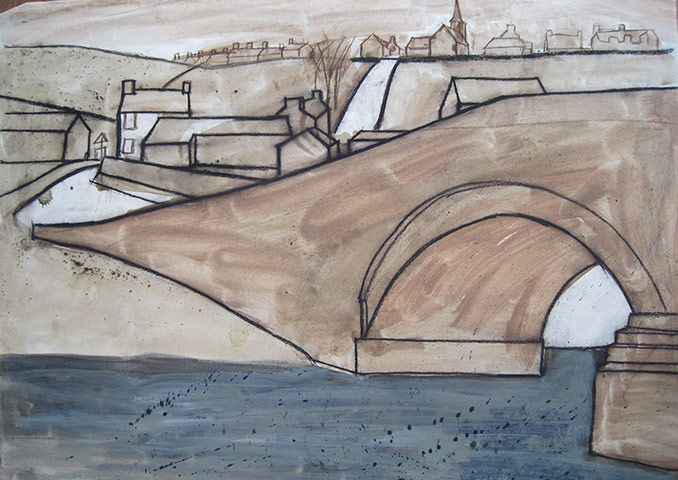
'He remained stubbornly himself, sticking to the landscapes he knew best and, despite domestic chaos, emotional upheaval and periods of depression, painting or sketching nearly every day.' Photograph: Castlegate House Gallery
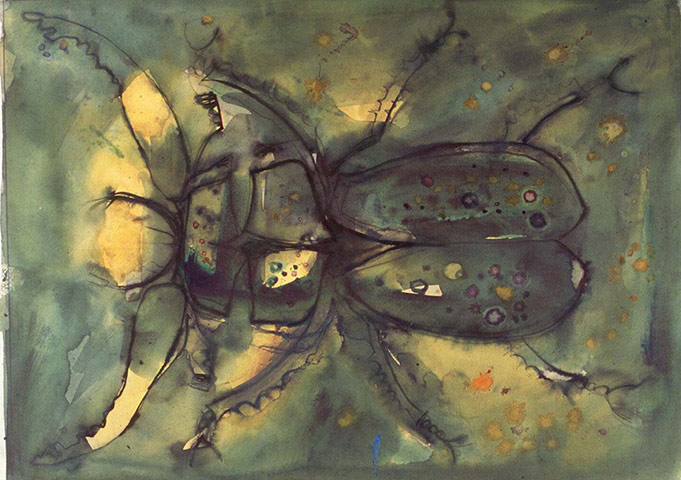
'"Drawing is as natural as walking," he said. "A piece of charcoal or chalk is like an extension of my forefinger."' Photograph: Castlegate House Gallery