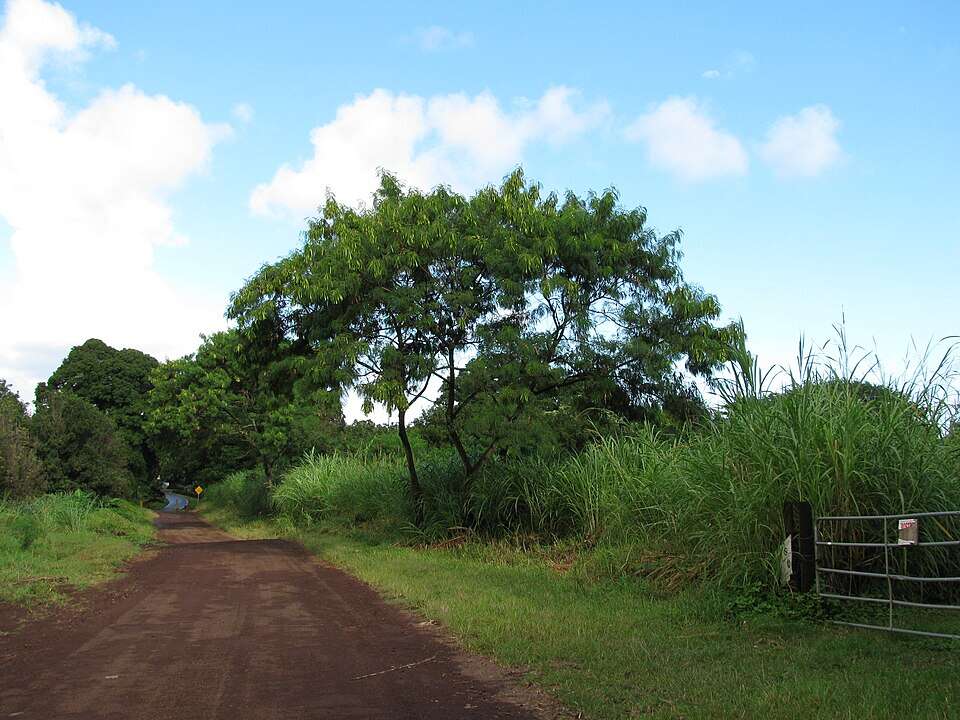
When Leucaena leucocephala was introduced to Hawaii in the late 1800s, it was seen as a solution to several environmental and agricultural problems. It was used as cattle fodder and firewood and planted to prevent soil erosion, quickly becoming an important part of the Hawaiian ranching economy. Its tolerance of harsh conditions, drought and poor soils helped rehabilitate soil by fixing nitrogen. More than a century later, experts say those same traits have helped the species spread across the state and create problems.
Get breaking news anytime, anywhere. Download the TOI app now!
From agricultural asset to ecological challenge
Indigenous to Central America and southern Mexico, Leucaena leucocephala arrived in Hawaii in the latter part of the nineteenth century, with ranching taking hold across the archipelago. The protein-containing leaves were useful as fodder for cattle, while its fast growth rate meant that it produced fuel wood as well as stabilising eroding hillsides. Additionally, as a nitrogen-fixing legume, leucaena was a good choice to improve soil fertility in poor agricultural areas.
Its adaptability allowed it to spread beyond plantations into the wild. Leucaena could grow well in dry, lowland, and disturbed environments, becoming established along roadside strips, abandoned farmland and in forests. It became naturalised on all the Hawaiian Islands.
According to research, Tropical Grasslands–Forrajes Tropicales , Leucaena was introduced to Hawaii after European settlement and spread so widely for cattle fodder and fuelwood that it is now common in disturbed and drier habitats, but much less common in intact native dry forests. It also notes that the species is resilient to wildfire and mammalian grazing, which can further undermine remnant native dryland forest. In Hawaii, leucaena is now recognised as one of the dominant invasive trees in many dry lowland areas, where it increasingly competes with native vegetation for space, sunlight and nutrients.
The tree's success is largely due to its biological characteristics. It produces thousands of seeds that remain viable in the soil for years, allowing new plants to emerge whenever land is disturbed by fire, grazing or human activity. Its drought tolerance and rapid growth enable it to establish quickly in environments where many native species struggle to regenerate.
Protecting native forests while preserving agricultural benefits
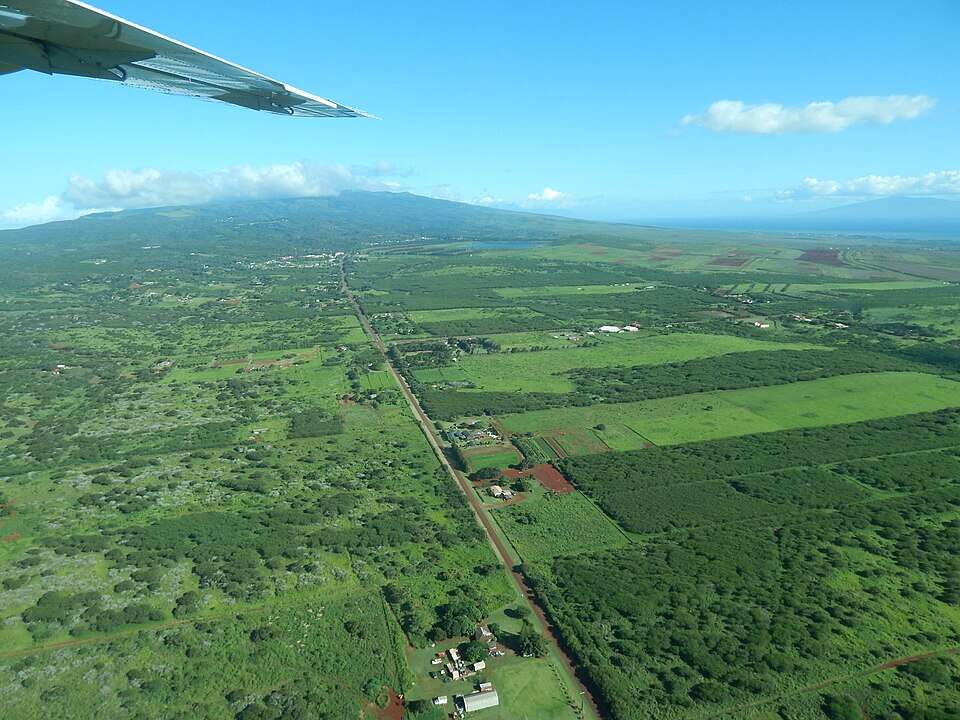
Hawaii’s native dry forests are among the world’s most endangered habitats, threatened by farming, human settlement and invasive species. According to researchers, leucaena now constitutes an additional threat as it is known to inhibit regeneration of native vegetation through its dense cover. As the trees mature, they form a canopy that blocks light from reaching the ground, hindering native plants and shrubs. With time, diverse forests become invaded by one kind of plant, depriving Hawaii of its native wildlife.
Although leucaena poses significant ecological problems, the scientists do not recommend eliminating it. Leucaena remains the source of livestock feed, and its benefits in agroforestry are irreplaceable in the tropics.
As stated in Frontiers in Agronomy , leucocephala is considered invasive, yet the plant has been recorded in 17 African, 17 Asian, 23 Oceanian, 12 North American and 7 South American countries, and is listed among the top five terrestrial invasive plants with the greatest international presence. The authors also point out that it invades roadsides, wastelands, cultivated land, riverbanks and forest edges, where it suppresses other woody and herbaceous species.
For Hawaii, that means protecting remaining native dry forests, controlling leucaena near sensitive areas and restoring degraded habitats with native plant species. Although complete eradication is unlikely due to the tree's widespread distribution and persistent seed bank, early intervention and sustained management can help limit further expansion.
Hawaii offers a cautionary example for other countries pursuing large-scale tree-planting initiatives. While fast-growing species may offer quick economic and ecological gains, restoring an area is not just about planting more trees. Ecosystems will remain healthy when one opts to plant trees that promote biodiversity rather than eliminate it. The history of Hawaii and leucaena offers a cautionary lesson for reforestation efforts elsewhere.