We are in the longest economic slump this side of the second world war. Is it changing the way we behave as consumers and think as a nation?
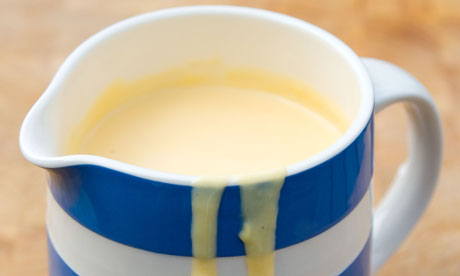
It has been five years since customers formed queues outside branches of Northern Rock as it sought emergency funding. A year and a day later, Lehman Brothers was allowed to collapse and the world changed forever. Or did it? That things changed is undeniable. In the immediate aftermath of the downturn there were a number of reactions, from the subtle to the glaringly obvious. Custard sales went through the roof as people sought refuge in nostalgia. The savings ratio has steadily improved as consumers act sensibly and remove themselves from risk. Frugal chic has entered the vocabulary and consumers' wallets and inboxes are stuffed full of vouchers to use at discount grocers.
But does this mean things have changed forever? And is this recession different? Opinion is divided.
On the one hand there is the belief that everything will go back to normal at some point soon. Others would argue that the effects will become ingrained and long lasting.
The only thing that is constant is change
In some respects, not much has changed in the past 20 years. But in others, the world we live in bears little or no resemblance to that of 1991. People are now hyper-connected inhabitants of a global village, with information that once took great effort to obtain just a click away. Data flows across the globe at an ever expanding velocity and volume. In a new social era, trends spread like wildfire and then disappear as quickly as they came, while mobile consumers have seen technology democratise the masses, providing unprecedented access and empowerment.
This deep recessionary storm has blown in at a very particular time; a time when we are seeing significant changes to the structure of modern Britain at a macro level and fundamental changes to how we live, work and communicate. Immigration, population growth, employment patterns, mass use of mobile computing, social media and changing values are just some of the major trends that are making Britain a different place. When we combine these factors, the whole is greater than the sum of the parts.
As the following examples demonstrate, Great Britain, along with many other countries, is sailing into unchartered waters:
• The only type of household in the UK to shrink in the latest census was married couples with children.
• Baby boomers own 80% of the UK's £6.7tn in wealth.
• Despite a struggling economy and the rise of the BRIC countries, in 2012 the UK topped the annual Global Soft Power survey.
• The number of patent applications granted in the UK increased by 29% last year.
• The percentage of unemployed young people out of work for longer than one year has nearly doubled since late 2008.
• Immediately after the recession Marks & Spencer saw sales of custard increase 140% as people sought refuge in nostalgic, familiar products.
• Selfridges took £1.5m within an hour of opening on Boxing Day 2012.
• In 2013 it is forecast that mobile phones will overtake PCs for internet access.
We find ourselves in an age of contradictions.
Which is why we have launched our year-long Future of Britain project. Our aim is to get under the skin of these changes, to learn what will stick and what will fade away, to interpret what these changes mean for businesses, brands and the people who are employed by them or consume them. Even at this early stage, some key themes are coming out:
• Open Britain: Whether it's making a purchase decision, sharing money saving tips or posting your holiday photos, the stiff upper lip is out and embracing openness is in.
• The high street v the banks: Despite extensive media coverage of the role of the bankers in the current downturn, it is the high street that provides a focus of anguish for consumers.
• Drip, drip effect: Unlike the shock-and-awe impact of previous recessions, consumers are experiencing something more like the turning of a screw; whether it is train fares, car insurance, food costs or benefit cuts, there are a multitude of pressure points.
• Redefining necessity: Despite this, the role of brands has never been more important, with consumers unable or unwilling to go without their favourites.
We may find that everyone has stopped eating custard. But we also hope that we will create a comprehensive insight into where Britain is headed as a consumer society and to get to a point where we understand what the new normal looks like.
Chris Worrell is insight director at OMD
Get more articles like this sent direct to your inbox by signing up for free membership to the Guardian Media Network – this content is brought to you by Guardian Professional.