Kenya this week shut down more than 500 non-governmental organisations (NGOs), including 15 groups it said had links to financing terrorism.
The government said it had “deregistered 510 organisations for non-compliance with the law”, accusing some of using their charitable status as a front for raising cash for terrorism, according to news reports.
“Some NGOs have been and continue to be used for criminal activities, including as conduits of terrorism financing in Kenya and in the Horn of Africa,” the government said. It did not name anysuch groups.
It said it had also frozen the bank accounts of the NGOs and revoked foreign staff work permits. Some organisations were deregistered for non-compliance with the law, such as failing to file annual returns.
After recent attacks by Somali militants on Kenyan citizens, the government is seeking amendments to its security laws to allow police to hold terrorism-related suspects for longer, tap communications without consent and require journalists to seek police permission before publishing stories on terrorism- or security-related issues.
Human Rights Watch and Amnesty International have called on lawmakers to reject the amendments, saying they would limit the rights of arrested people and restrict freedoms of expression and assembly.
Kenya is not alone in taking action against NGOs, using national security to justify tougher restrictions. This year, Russia, Egypt, Azerbaijan, South Sudan, and Cambodia, among many others, have been criticised for cracking down on civil society and other activists.
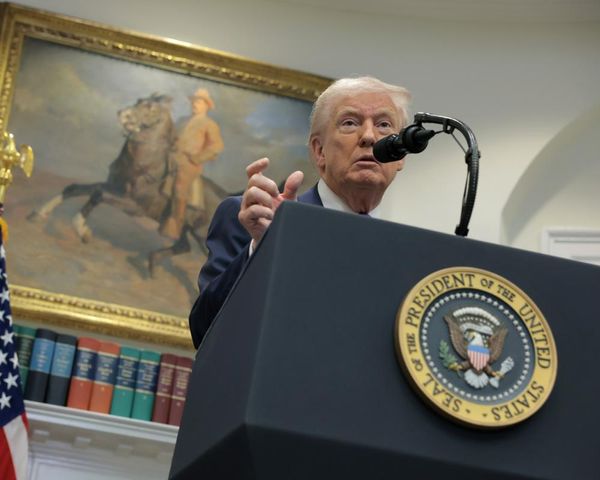
In September, US President Barack Obama said more and more governments were trying to silence citizens and civil society because of the power the latter wield.
“From Russia to China to Venezuela, you are seeing relentless crackdowns, vilifying legitimate dissent as subversive. In places like Azerbaijan, laws make it incredibly difficult for NGOs even to operate. From Hungary to Egypt, endless regulations and overt intimidation increasingly target civil society. And around the world, brave men and women who dare raise their voices are harassed and attacked and even killed,” he told the Clinton Global Initiative summit in New York.
If you have been affected by restrictions to NGOs in Kenya or elsewhere, we would like to hear from you. Have these decisions impacted onNGO work in your country? Fill out the form below and let us know your thoughts. Please state if you would like to remain anonymous. If you are unable to submit the form you can send your response to development@theguardian.com.