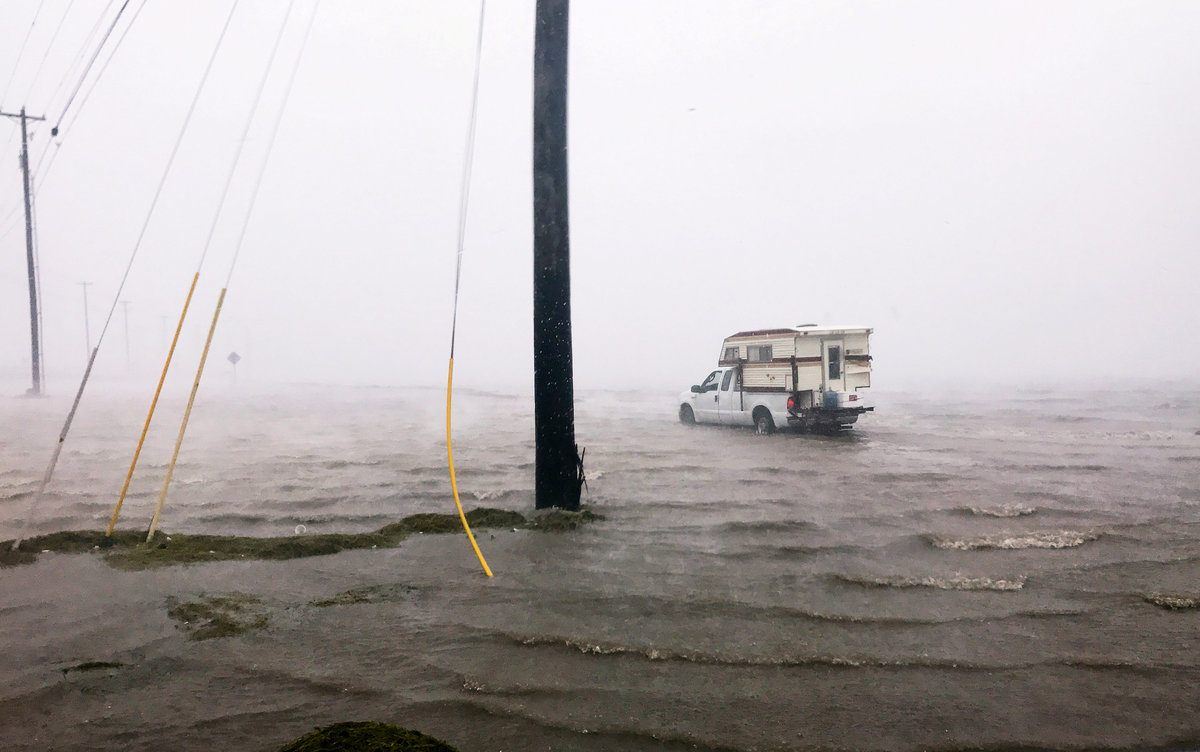
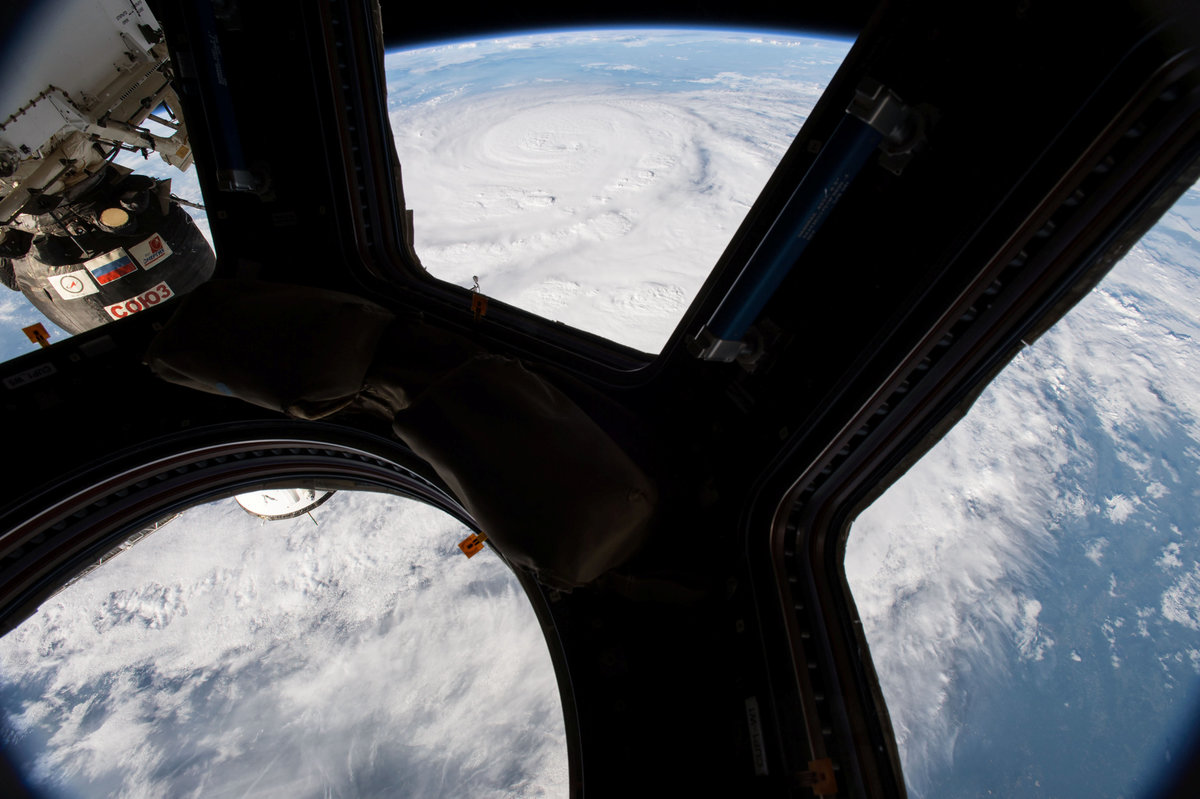
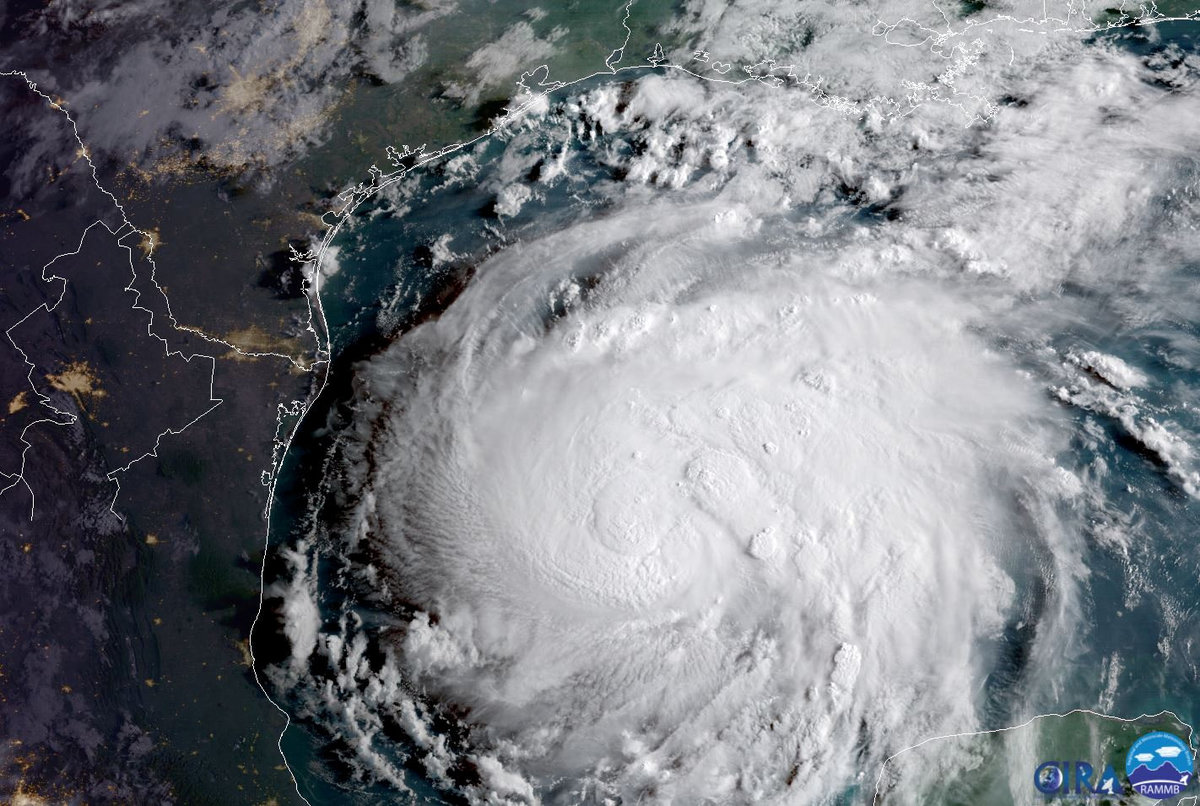
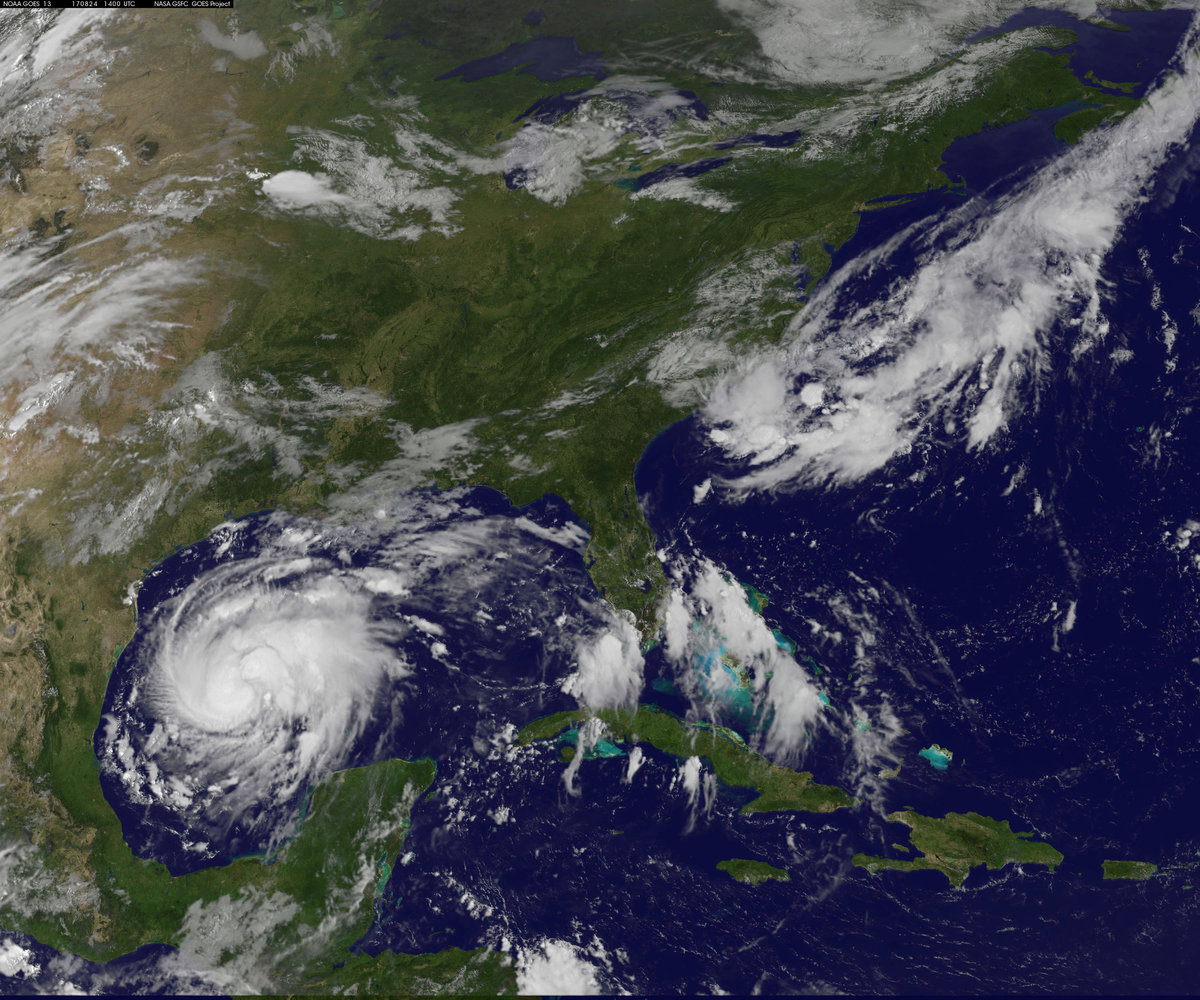
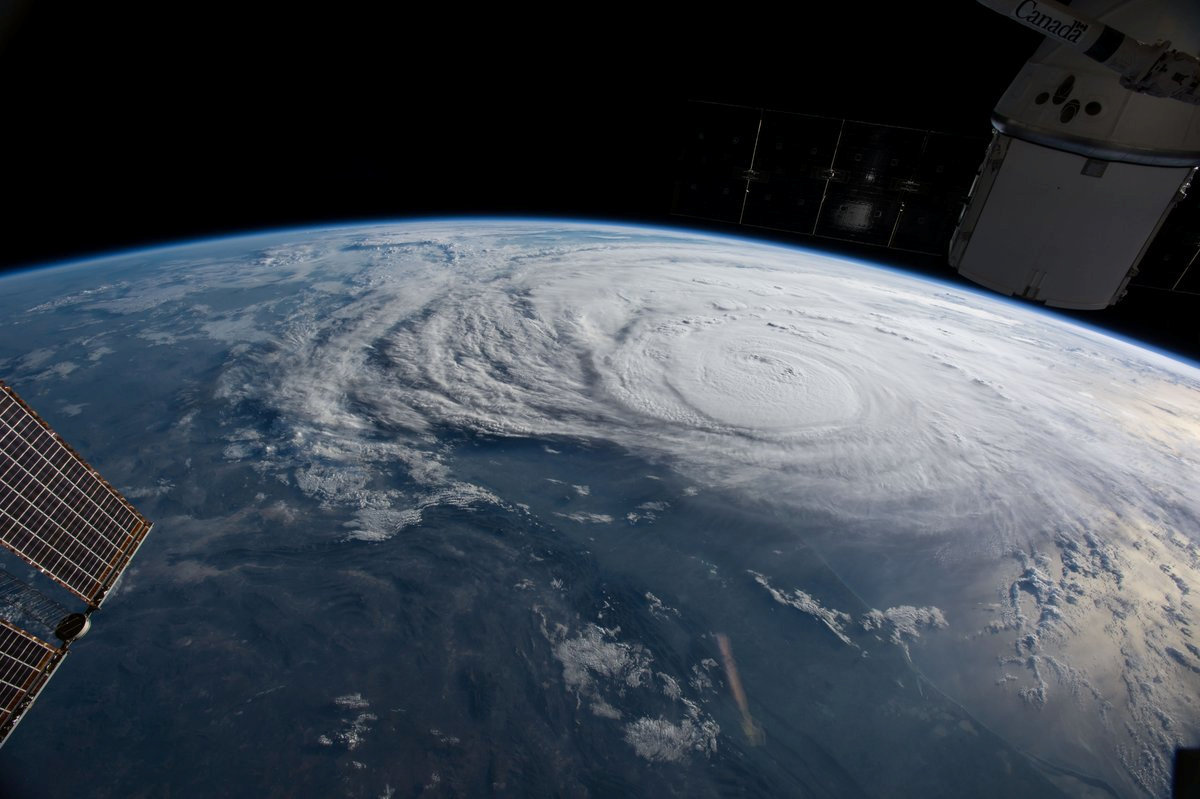
CORPUS CHRISTI, Texas (Reuters) - Hurricane Harvey slammed into the Texas coast on Friday as a Category 4 storm, bringing life-threatening winds and the likelihood of catastrophic flooding as the most powerful storm in over a decade hit the mainland United States.
The hurricane made landfall northeast of Corpus Christi around 10 p.m. CDT (0300 GMT) with maximum winds of 130 miles per hour (209 km per hour). The storm is expected to move slowly over the Texas and Louisiana coasts for days, with forecasts for storm surges of up to 13 feet (4 meters) and over 3 feet (90 cm) of rain.
As many as 6 million people were believed to be in Harvey's path, as is the heart of America's oil refining operations. The storm's impact on refineries has already pushed up gasoline prices while the U.S. Environmental Protection Agency lifted some rules on gasoline to reduce shortages.
Fueled by the warm waters in the Gulf of Mexico, Harvey became the first Category 4 hurricane to wallop the United States since Charley in 2004 and the first to hit Texas since Carla in 1961.
About 30 miles (45 km) from Corpus Christi and moving northwest, Harvey caused scattered power outages both on the coast near Galveston and 100 miles (160 km) inland.
Donald Trump, facing the first large-scale natural disaster of his presidency, said on Twitter he signed a disaster proclamation which "unleashes the full force of government help" shortly before Harvey made landfall.
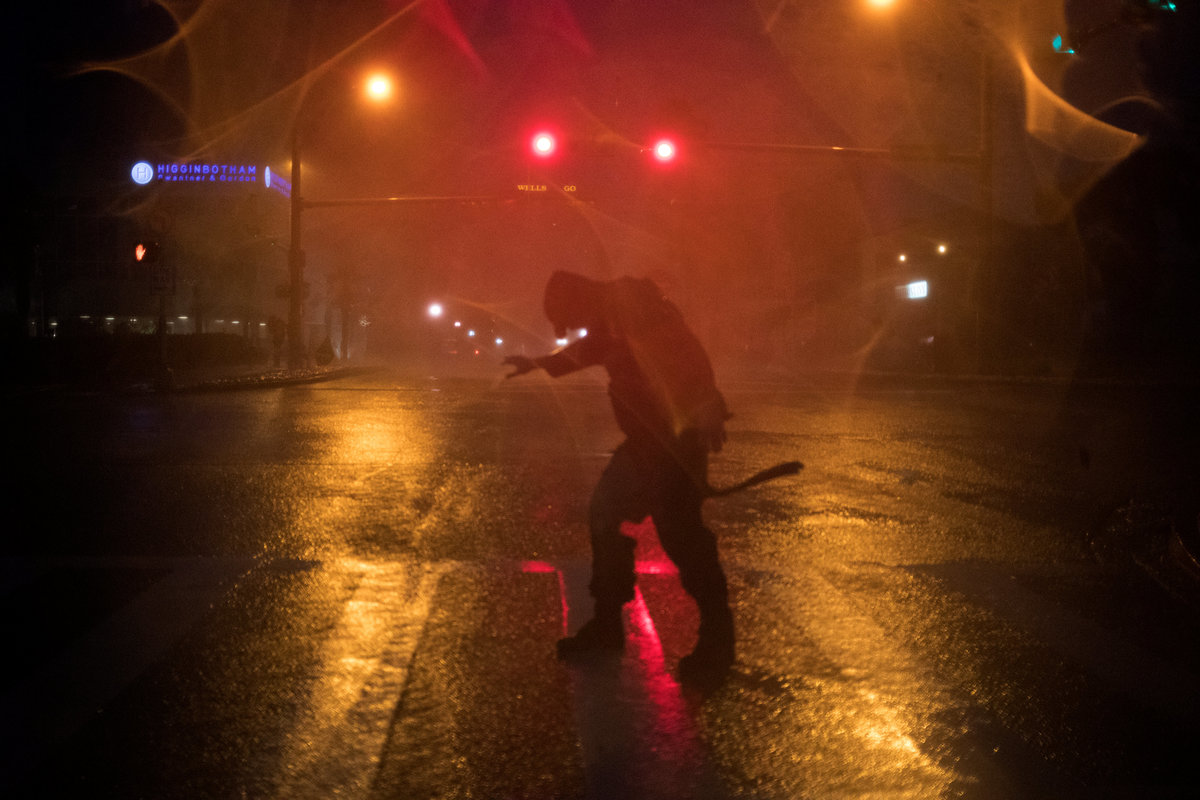
While thousands fled the expected devastating flooding and destruction, many residents defied mandatory evacuation orders and stocked up on food, fuel and sandbags, drawing the ire of local authorities.
"We’re suggesting if people are going to stay here, mark their arm with a Sharpie pen with their name and Social Security number," Rockport Mayor Pro Tem Patrick Rios told reporters Friday, according to media reports. "We hate to talk about things like that. It's not something we like to do but it’s the reality. People don’t listen."
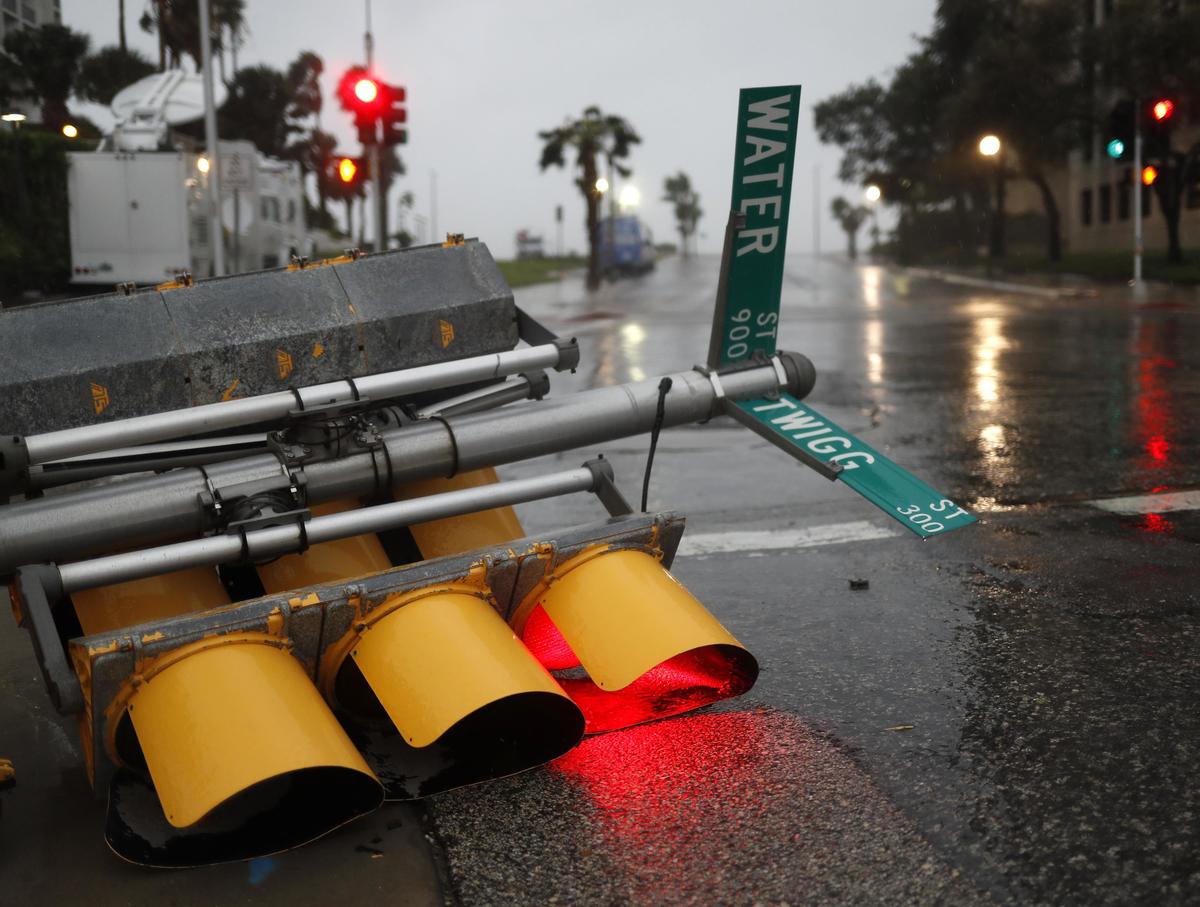
There were initial reports of extensive damage in Rockport, near the eye of the hurricane, including structural damage to a high school, hotel and other buildings being used as shelters, according to local media.
As a Category 4 hurricane on the Saffir-Simpson scale, Harvey could uproot trees, destroy homes and disrupt utilities for days. It is the first major hurricane, of Category 3 or more, to hit the mainland United States since Hurricane Wilma struck Florida in 2005.
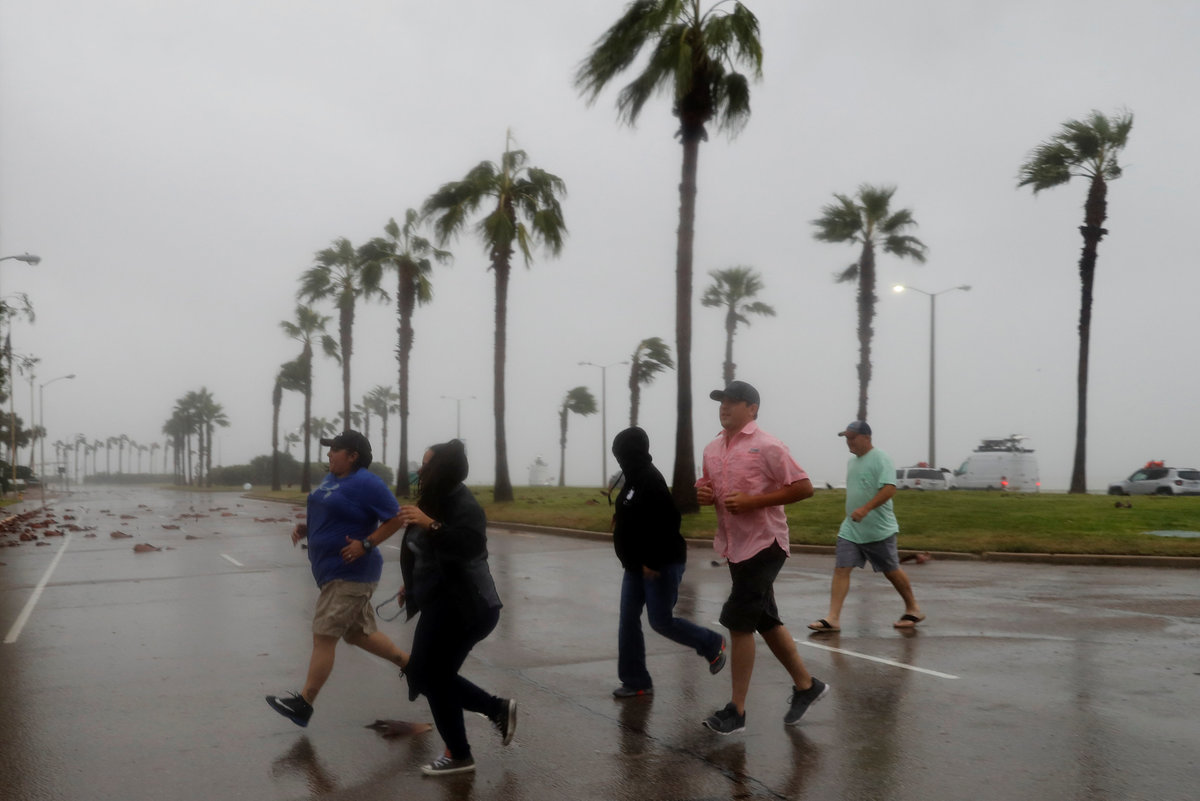
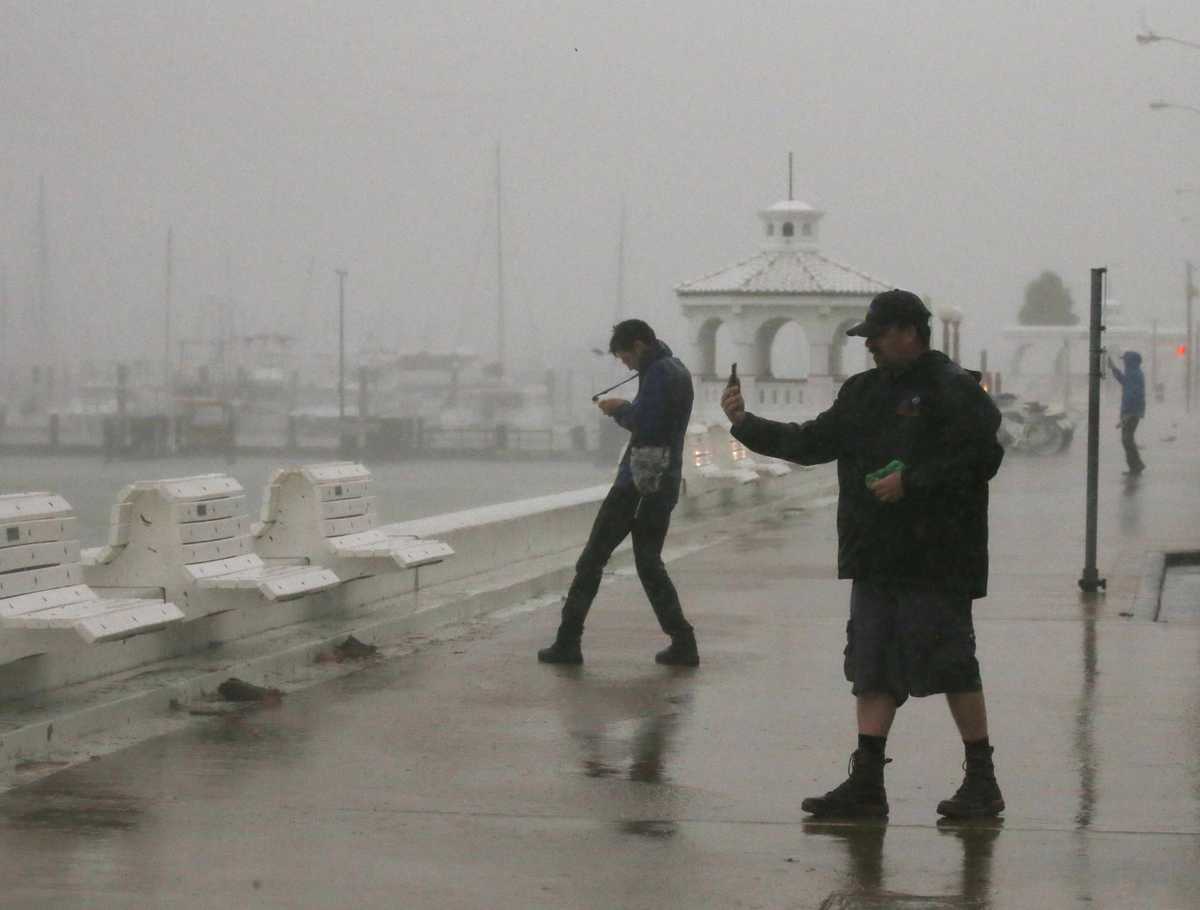
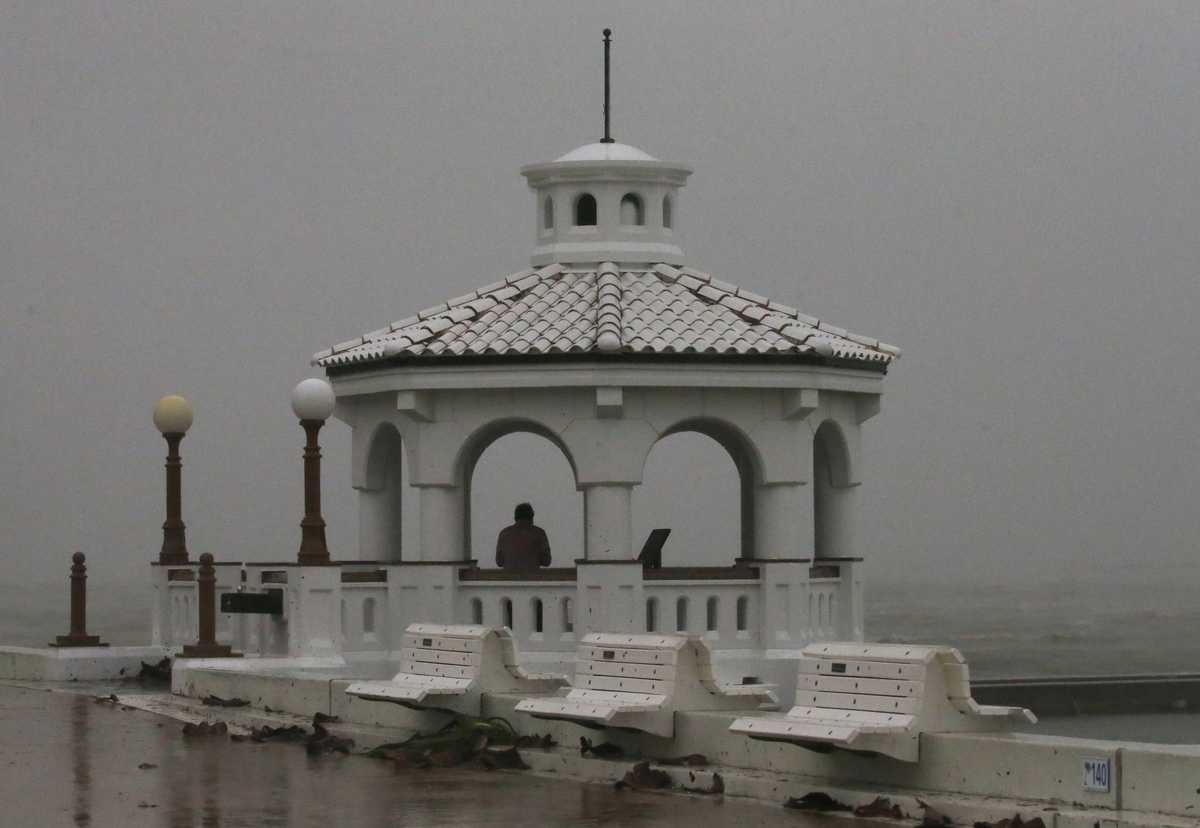
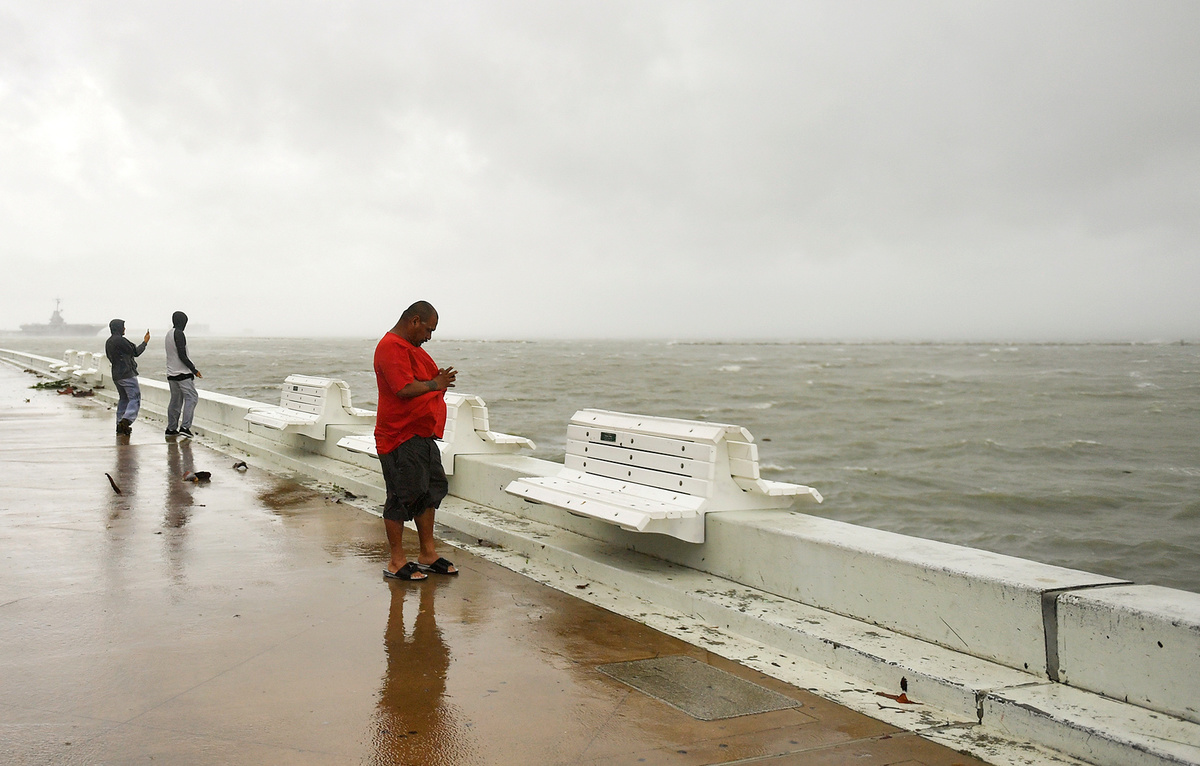
In Corpus Christi, a city of 320,000 under voluntary evacuation, strengthening winds buffeted the few trucks and cars that continued to circulate on the streets. The storm toppled wooden roadwork signs and littered the streets with pieces of palm trees as white caps rocked sailboats in their docks.
About 85 miles (137 km) north in Victoria, Mayor Paul Polasek told CNN he estimated that 60 percent to 65 percent of the town’s 65,000 residents defied the mandatory evacuation order.
Jose Rengel, a 47-year-old who works in construction, said he was one of the few people in Jamaica Beach in Galveston that did not heed a voluntary evacuation order.
“All the shops are empty,” he said as the sky turned black and rain fell. “It’s like a tornado went in and swept everything up.”
With the hurricane lashing the Texas coast, at least three cruise ships operated by Carnival Corp with thousands of passengers aboard were forced to change their plans to sail for the Port of Galveston. Two of them headed New Orleans to pick up fresh supplies, while the third delayed its departure from Cozumel, Mexico.
Louisiana and Texas declared states of disaster, authorizing the use of state resources to prepare.
The NHC's latest tracking model shows the storm sitting southwest of Houston for more than a day, giving the nation's fourth most populous city a double dose of rain and wind.
The city warned residents of flooding from close to 20 inches (60 cm) of rain over several days.
But Houston Mayor Sylvester Turner advised residents not to leave en masse, saying "no evacuation orders have been issued for the city." Chaotic traffic from a rushed evacuation in 2005 with Hurricane Rita proved tragic. "Calm and care!" he said in a tweet.
GASOLINE PRICES SPIKE
Gasoline stations on the south Texas coast were running out of fuel as thousands of residents fled the region. U.S. gasoline prices spiked as the storm shut down 22 percent of Gulf of Mexico oil production, according to the U.S. government.
At a Willis, Texas, station, about 50 miles (77 km) north of Houston, Corey Martinez, 40, was heading to Dallas from his Corpus Christi home.
"It has been pretty stressful. We're just trying to get ahead of the storm," he said. "We've never been through a hurricane before."
More than 45 percent of the country's refining capacity is along the U.S. Gulf Coast, and nearly a fifth of the nation's crude oil is produced offshore. Ports from Corpus Christi to Texas City, Texas, were closed to incoming vessels and Royal Dutch Shell Plc, Anadarko Petroleum Corp, Exxon Mobil Corp and others have evacuated staff from offshore oil and gas platforms.
Concern that Harvey could cause shortages in fuel supply drove benchmark gasoline prices to their highest in four months, before profit taking pulled back prices. Meanwhile, U.S. gasoline margins hit their strongest levels in five years for this time of year.
The U.S. government said it would make emergency stockpiles of crude available if needed to plug disruptions. It has regularly used them to dampen the impact of previous storms on energy supplies.
(For graphic on hurricanes in the North Atlantic, click tmsnrt.rs/2wwerEh)
(Reporting by Brian Thevenot; Additional reporting by Ernest Scheyder and Marriana Parraga in Houston, Brian Thevenot in Corpus Christi, Texas; and Devika Krishna Kumar in New York; Writing by Lisa Shumaker; Editing by James Dalgleish and Mary Milliken)