Is it fair to compare the Israeli government to Death Eaters? Is Binyamin Netanyahu more like Severus Snape or Lord Voldemort? No, this isn’t a trick question, although the appearance of “Israel” and “Harry Potter” in the same headlines made it feel like Clickbait Christmas had come early this week.
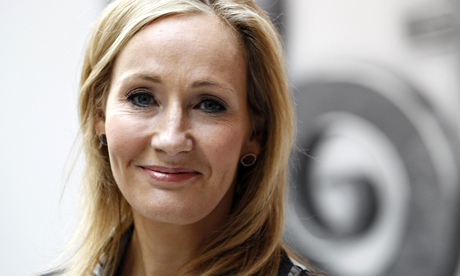
The kerfuffle began on 22 October, when children’s author turned Cybernat scourge JK Rowling signed an open letter opposing a cultural boycott of Israel. Rowling and fellow authors such as Hilary Mantel said it would be “divisive and discriminatory, and will not further peace”, and that cultural dialogue was better. Cue internet anguish from Rowling’s young, leftwing fanbase, many of whom argued that the lesson of the Harry Potter series was that talking wasn’t enough to end conflicts. Look at the Wizarding War, they said. If Harry had tried to coax Lord Voldemort to a UN summit in Geneva rather than destroying his Horcruxes, everyone would have ended up dead. Not just Tonks, Remus Lupin and one of the Weasley twins. (Oops, sorry. Spoiler alert.)
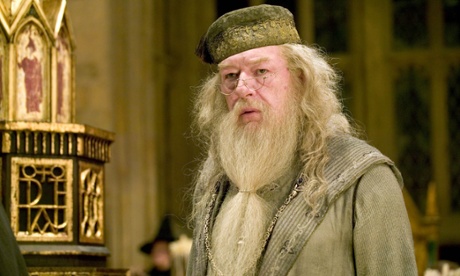
Rowling rebuffed this argument, writing in a Twitlonger post that the book’s moral heart lies in the character of Hogwarts headmaster Albus Dumbledore (right), who went to a windy hilltop to meet Death Eater – and potential double agent – Professor Snape, despite knowing the decision might lead to his death. “Dumbledore is an academic and he believes that certain channels of communication should always remain open,” wrote Rowling.
Many will dismiss the idea that children’s books could have anything profound to say about one of the most intractable conflicts in the modern world, but they’d be wrong. The Harry Potter books subtly tackle many grand themes, including racism and discrimination. During Voldemort’s reign, for example, the wizarding world becomes obsessed with purging “mudbloods”, even though many of the most talented characters come from non-magical families. Hermione’s big political cause is freeing the house elves, who are kept as slaves.
Still, you can see why Rowling’s comparison between her fictional universe and the Middle East would ruffle feathers. After all, the headmaster of Hogwarts is depicted as a powerful man with a big ego, who believes he can sort everything out long after everyone else has lost faith in him. Yes, that’s right. Albus Dumbledore is ... Tony Blair. Accio Chilcot inquiry!