As the number of people infected with the novel coronavirus is on the rise in many parts of the country, infection clusters have been particularly noticeable among foreign communities and universities.
Language barriers and cultural differences seem to have made foreign nationals delay seeking consultations and visiting clinics, while asymptomatic students are infecting others within dormitories and elsewhere. The government has begun taking measures on these types of infection clusters, noting that they are "hard to detect promptly."
-- Cultural differences
"Many patients of foreign nationality have needed interpreters, so it took some time to question their movement history and identify the people with whom they were in close contact," said an official in charge of virus control measures in Gunma Prefecture. "It's possible that the infection spread in the meantime."
In September, infections spread in the eastern part of the prefecture where there are many foreign residents, such as in the cities of Ota and Isesaki and the town of Oizumi. More than 75% of the 261 people infected that month were from those areas, with the majority of them being foreign nationals.
A cluster of 30 people, mostly Brazilian employees, were infected at an auto parts plant in Ota. In Oizumi, 55 people were infected, mostly at factories where there are foreign workers, and the town issued its own "state of emergency" between Sept.18 and 30.
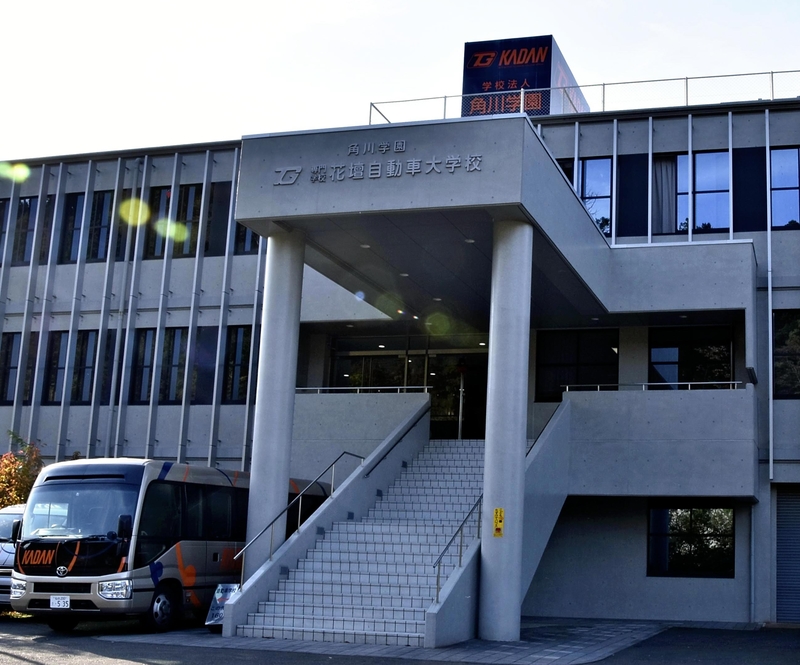
In October, the largest-ever cluster infection in Miyagi Prefecture occurred at Kadan Automotive Technical College in Sendai where 319 international students from Nepal, Vietnam and elsewhere are studying car maintenance and other skills. So far, 114 students and faculty members have been confirmed to be infected, with 109 of them being international students, and 64 of these students were living in a dormitory for international students. The infection is believed to have spread through living together.
An official at the Sendai public health center explained the difference in attitudes of the foreign students over illness, saying, "Unlike Japanese people who tend to go to a medical institution right away even with a small cold, many [foreign students who were infected this time] didn't visit medical institutions even if they had some symptoms of coughing or fever."
The Gunma prefectural government has begun providing support as language barriers and cultural differences are believed to be making it difficult for authorities to confirm the infections. It has dispatched 15 Portuguese and other language interpreters to health centers and also distributed flyers in several languages explaining lifestyle habits that may cause infections such as shaking hands and hugging.
In October, Gov. Ichita Yamamoto and the Brazilian ambassador to Japan issued a joint statement to prevent infections with an aim to get necessary information across to Brazilians living in Japan. Attributing the infection clusters among foreign residents to a lack of support, Yamamoto said: "Infected people are victims, too. Discrimination and slander must not spread."
-- Dorms
Infection clusters have been spreading since this autumn among the younger generation, including university student-athletes living together in dormitories.
According to the Tokyo metropolitan government and the universities, about 30 people on the Hosei University soccer team and more than a dozen on the Waseda University skating team have been found to be infected. At Nihon University, the infections have spread to the volleyball, karate and fencing clubs, with about 70 people confirmed to be infected so far.
According to Nihon University, its dormitory in Setagaya Ward, Tokyo, basically consists of shared rooms with residents also sharing the cafeteria and a large bath. While partitioning off the tables in the cafeteria, the university has also urged the students to wear masks, disinfect their hands and take their temperature.
However, as most of the infected students were asymptomatic, the school said it was difficult to ascertain the number of infected people at an early stage.
The Setagaya public health center said the dormitory where residents sleep and eat together is just like a home, so it is extremely difficult to prevent the spread of the virus once someone is infected.
However, there are some sports clubs in the dormitory that have not detected any cases of infection. The university suspects that the level of preventive measures may have varied depending on the club.
Read more from The Japan News at https://japannews.yomiuri.co.jp/