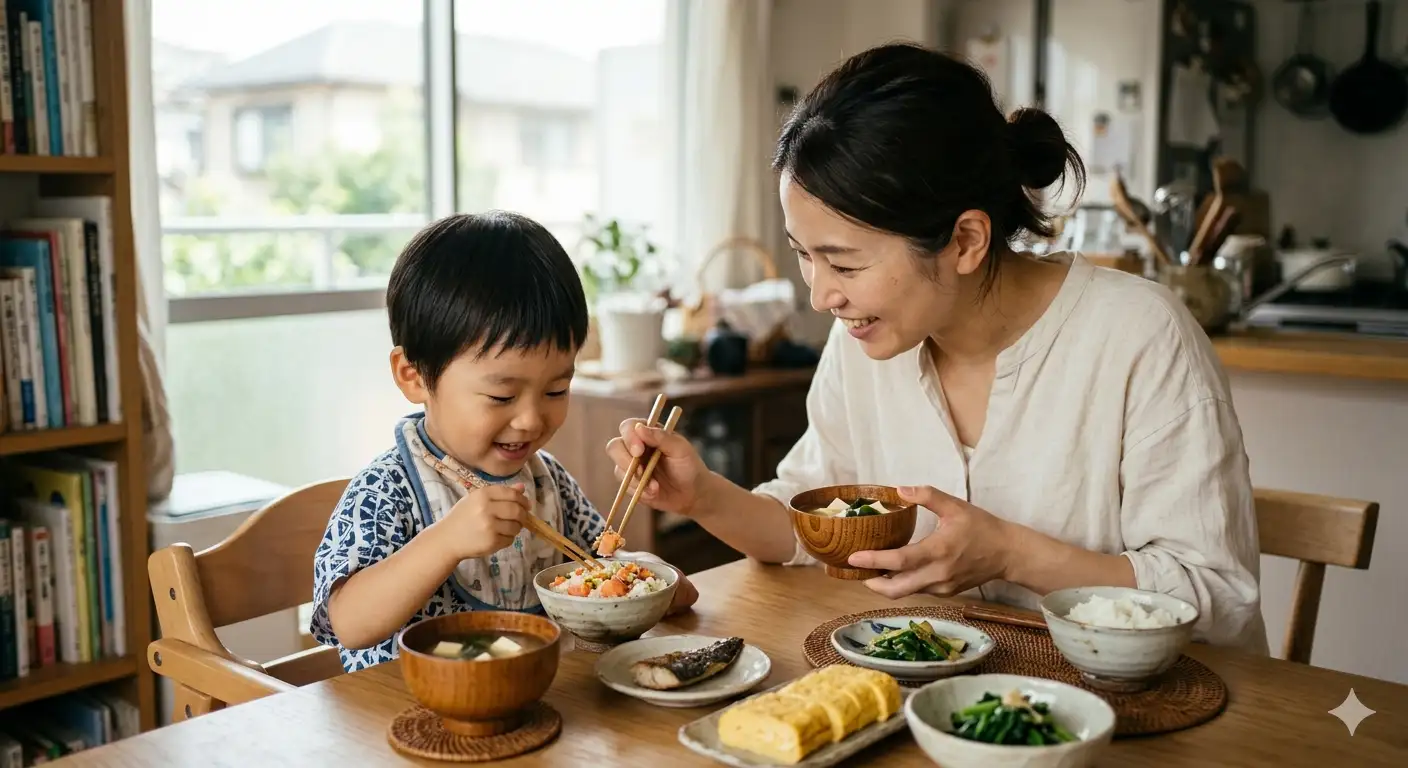
In a world filled with diet trends, calorie-counting apps, and weight-loss shortcuts, a centuries-old Japanese practice continues to attract attention for its simplicity and effectiveness. Hara hachi bu is a Japanese wellness principle rooted in Okinawan culture that translates to "eat until you are 80 percent full." rather than waiting until they feel completely stuffed. This is one of the prime reasons why Japanese live longer, stay healthier and are not obese.
Passed down through generations and often taught to children from a young age, "Hara Hachi Bu" is widely regarded as one of the secrets behind Japan's healthy lifestyle and long life expectancy.
What Is "Hara Hachi Bu"?
The phrase "Hara Hachi Bu" comes from Okinawa, Japan, a region famous for having some of the world's longest-living people. The saying translates roughly to "eat until you are 80% full."
Rather than focusing on strict food restrictions, the practice encourages people to pay attention to their body's signals and stop eating before reaching complete fullness. It is less about what you eat and more about how much you eat, meaning focus is on nutrition and quality of food. The idea is simple: enjoy your meal, eat slowly, and stop when you feel satisfied.
Why is it considered a weight-loss secret?
In many countries like India and US, one reason many people struggle with weight gain is that they continue eating even after their body has had enough food. It takes time for the brain to receive signals from the stomach indicating fullness.
By following "Hara Hachi Bu," people naturally reduce their calorie intake without feeling deprived. Over time, this habit can help prevent overeating and support healthy weight management.
Unlike crash diets that often feel restrictive, this Japanese practice allows people to continue enjoying their favorite foods while developing a healthier relationship with eating.
ALSO READ: Psychology says fathers who fix broken things instead of replacing them are not being cheap
The role of mindful eating
At the heart of "Hara Hachi Bu" is mindfulness. Instead of rushing through meals, practitioners are encouraged to:
Eat slowly.
Chew food thoroughly.
Appreciate flavors and textures.
Pay attention to hunger and fullness cues.
Avoid distractions while eating.
These habits help people recognize when they have had enough food, making it easier to stop before overeating.
Why Japanese families teach it early
In many Japanese households, children learn healthy eating habits from a young age. "Hara Hachi Bu" is not viewed as a diet but as a lifelong approach to food and wellness.
Teaching children to listen to their bodies rather than simply finishing everything on their plate can help build healthier eating patterns that last into adulthood. It also encourages a positive attitude toward food rather than associating eating with guilt or restriction.
A mindful practice to improve gut health
The benefits of "Hara Hachi Bu" go beyond managing weight. Supporters of the practice believe it can help improve digestion, reduce overeating, and promote greater awareness during meals.
Many experts point out that mindful eating habits often lead to better food choices and increased enjoyment of meals. Instead of focusing on eating less, the philosophy focuses on eating wisely.
A simple lesson from Japan
In an age of complicated nutrition advice, "Hara Hachi Bu" stands out because of its simplicity. The principle does not require special foods, expensive programs, or strict meal plans. It asks only one thing: stop eating when you are about 80% full.
That simple habit has been practiced for generations in Japan and continues to inspire people around the world who want to enjoy food while maintaining a healthy lifestyle. Sometimes, the most effective wellness lessons are also the simplest.