Highlights
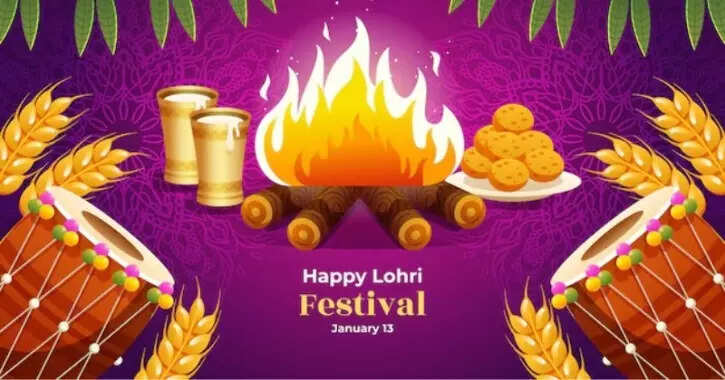
- Lohri is celebrated annually on January 13th, marking the end of the winter month of Paush and the arrival of Uttarayana, signifying longer and warmer days ahead.
- The festival honors farmers and expresses gratitude to Surya Dev, the Sun God, for the warmth and light necessary for crop cultivation, symbolizing new beginnings and prosperity.
- The iconic bonfire tradition involves gathering around a fire to sing traditional songs and making offerings like sesame seeds, jaggery, and popcorn, representing a fresh start by burning old negativity.
- A cherished story associated with Lohri is that of Dulla Bhatti, a folk hero of Punjab known for rescuing Hindu girls from slavery during the Mughal era, whose bravery is celebrated through songs sung during the festival.
- Lohri features vibrant celebrations with music, dance, and traditional dishes, and often coincides with other harvest festivals in India, such as Makar Sankranti, Pongal, and Magh Bihu, emphasizing a collective gratitude for a successful harvest.
In India, the harvest season starts with the lively festival of Lohri. It's a time to share joyful memories with loved ones and show appreciation for the abundance of nature. More than just a harvest festival, Lohri—which is particularly well-known in Punjab—is a celebration of community, culture, and life. Here are some interesting facts about Lohri that everyone should know.
When is Lohri celebrated?
Lohri is celebrated every year on January 13th. This marks the conclusion of the chilly month of Paush, according to the traditional calendar. It also coincides with the arrival of Uttarayana, the sun's northward journey, which signals longer and warmer days ahead. This changeover has a special place in the life of farmers since it gives hope for a successful harvest.
See more: When is Lohri 2025? Date, History, Significance, Story and all you need to know
Why do we celebrate Lohri?
Lohri pays respect to farmers and their hard labour. It is a manner of expressing gratitude to Surya Dev (the Sun God) for supplying the warmth and light required to raise crops. As the winter solstice comes to a conclusion, Lohri represents new beginnings, prosperity, and joy.
See more: Happy Lohri 2025: Top 50 Wishes, Messages and Quotes to share with your loved ones
Who celebrates Lohri?
While Lohri is most commonly celebrated in Punjab, it is also observed in areas of Haryana, Himachal Pradesh, and Jammu. Beyond these locations, it has grown in popularity throughout India, particularly among Hindus and Sikhs, resulting in a unified festival of song, dance, and community.
The iconic bonfire tradition
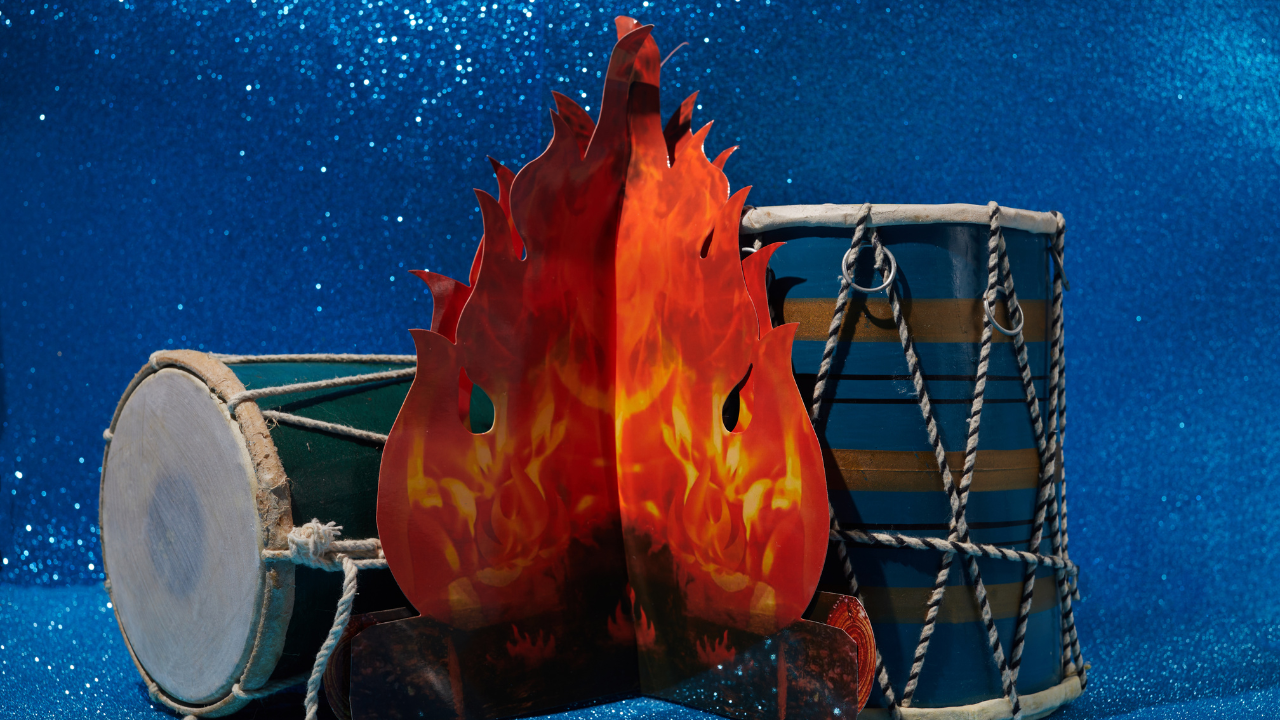
The bonfire is the highlight of Lohri celebrations. People gather around the fire in the evening to perform traditional songs such as "Sunder Mundriye." To express gratitude, offerings such as til (sesame seeds), gur (jaggery), gajak, and phulliyan (popcorn) are thrown into the fire. The fire also indicates a fresh start, as old thoughts and negativity are burned away.
See more: Happy Lohri 2025: Best Messages, Quotes, Wishes and Images to share on Lohri
The legend of Dulla Bhatti
One of the most cherished stories of Lohri revolves around Dulla Bhatti, a folk hero of Punjab. He is remembered for rescuing Hindu girls from being sold into slavery during the Mughal era. He arranged their marriages and sang celebratory songs, which are still sung today during Lohri, honoring his bravery.
Traditional Lohri food
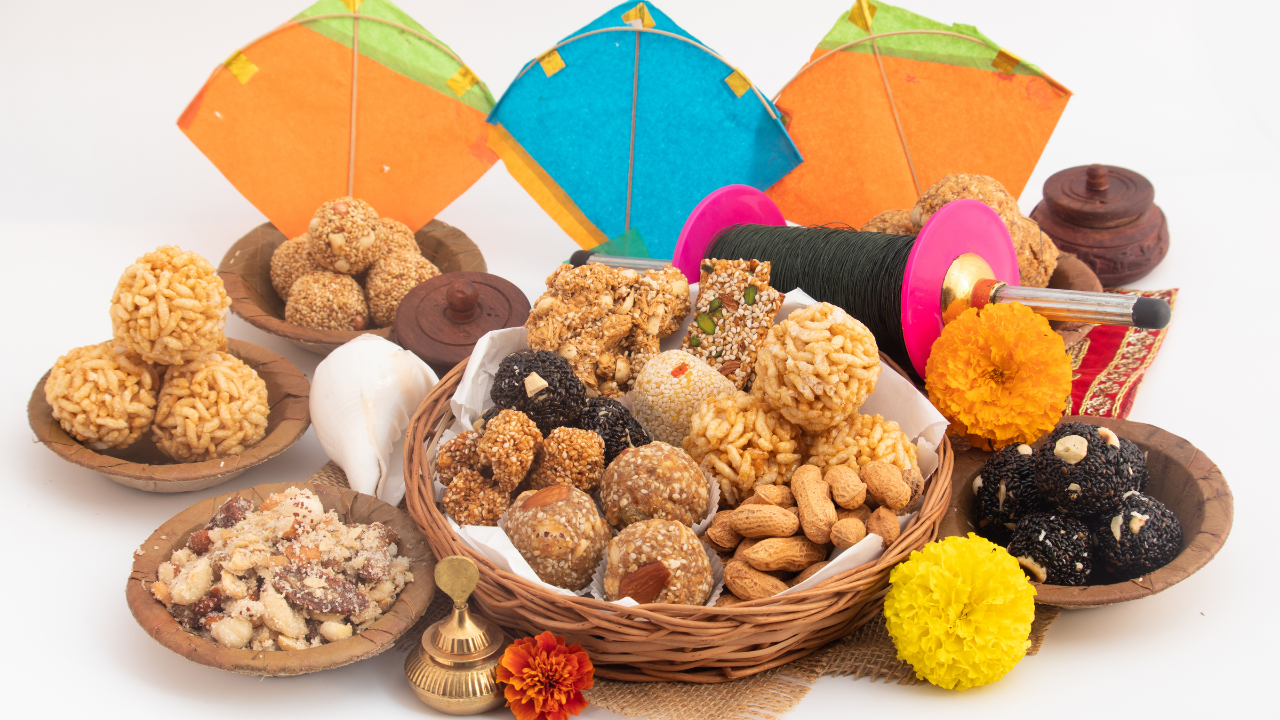
Lohri is a food lover’s delight! Special dishes like sarson ka saag and makki ki roti, gur ki kheer, and snacks like peanuts, revdi, and gajak are prepared and enjoyed. These foods not only add to the festive spirit but also keep the body warm during the cold winter evenings.
Celebrations with music and dance
Lohri is incomplete without the energetic beats of the dhol and the lively folk dances of Bhangra and Gidda. Dressed in colorful traditional attire, people sing and dance around the bonfire, celebrating unity and happiness. It’s a sight to behold, full of energy and joy.
Lohri’s connection to other festivals
Lohri often coincides with other harvest festivals in India, such as Makar Sankranti in North India, Pongal in Tamil Nadu, and Magh Bihu in Assam. All these festivals share a common theme of gratitude for a successful harvest, making Lohri part of a nationwide celebration of prosperity.