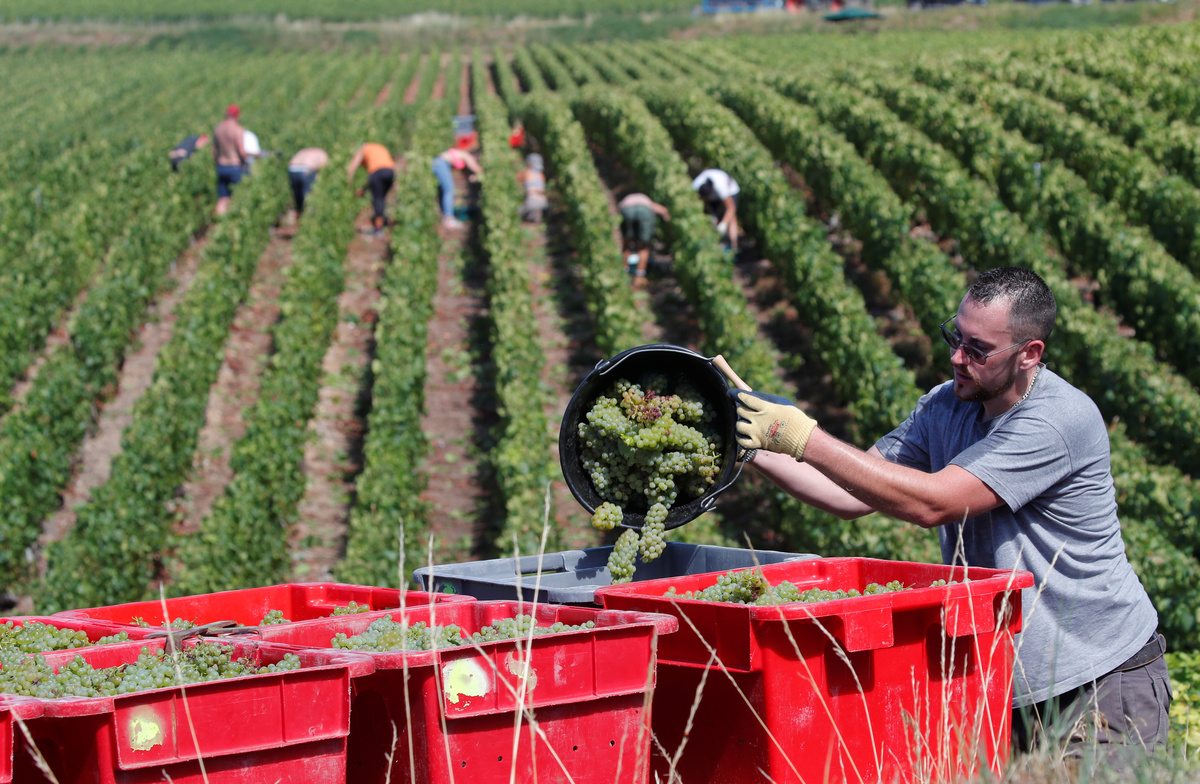
Winemakers in France's Champagne region are this week gathering a bumper grape harvest, but there is a bitter aftertaste: the slump in demand for bubbly caused by the COVID-19 pandemic means some of the harvest will go to waste.
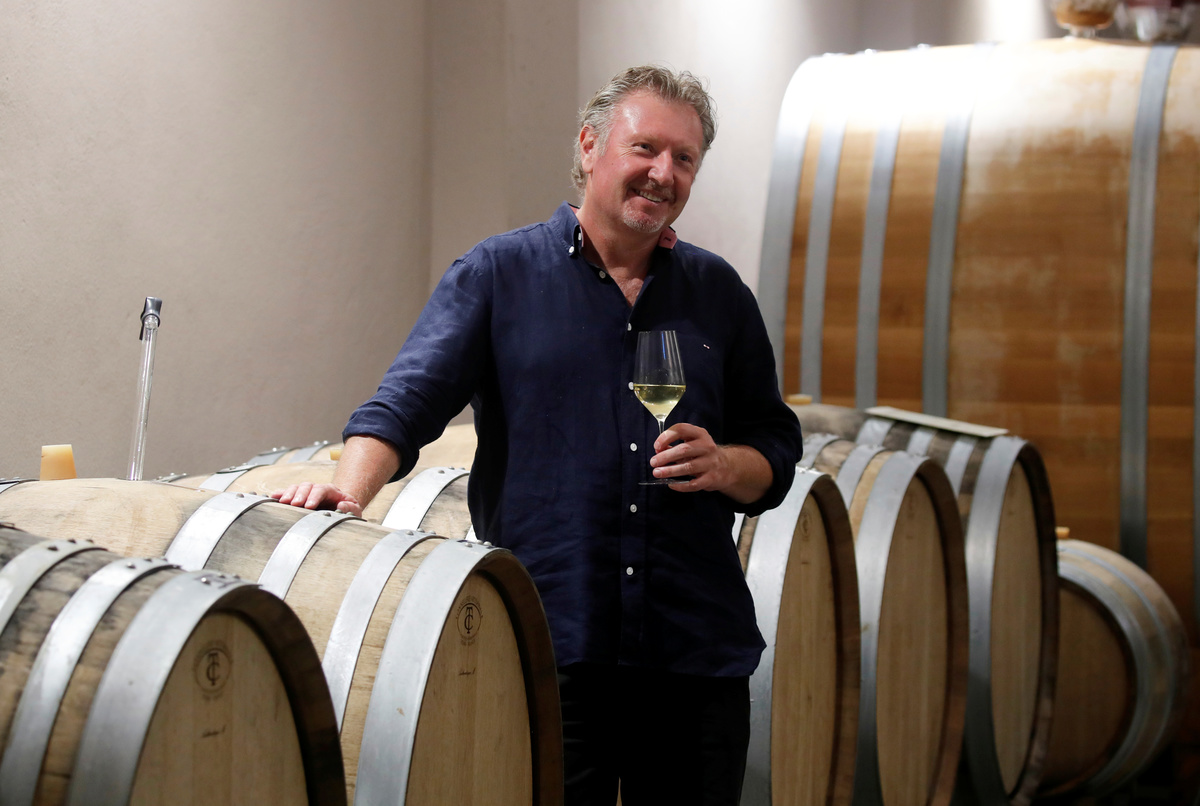
"We make the wine of happiness, and when people are sad, like during the lockdown, sales of champagne tend to collapse," said Vincent Leglantier, a 34-year-old wine grower in Bethon, about 120 km (75 miles) east of Paris.
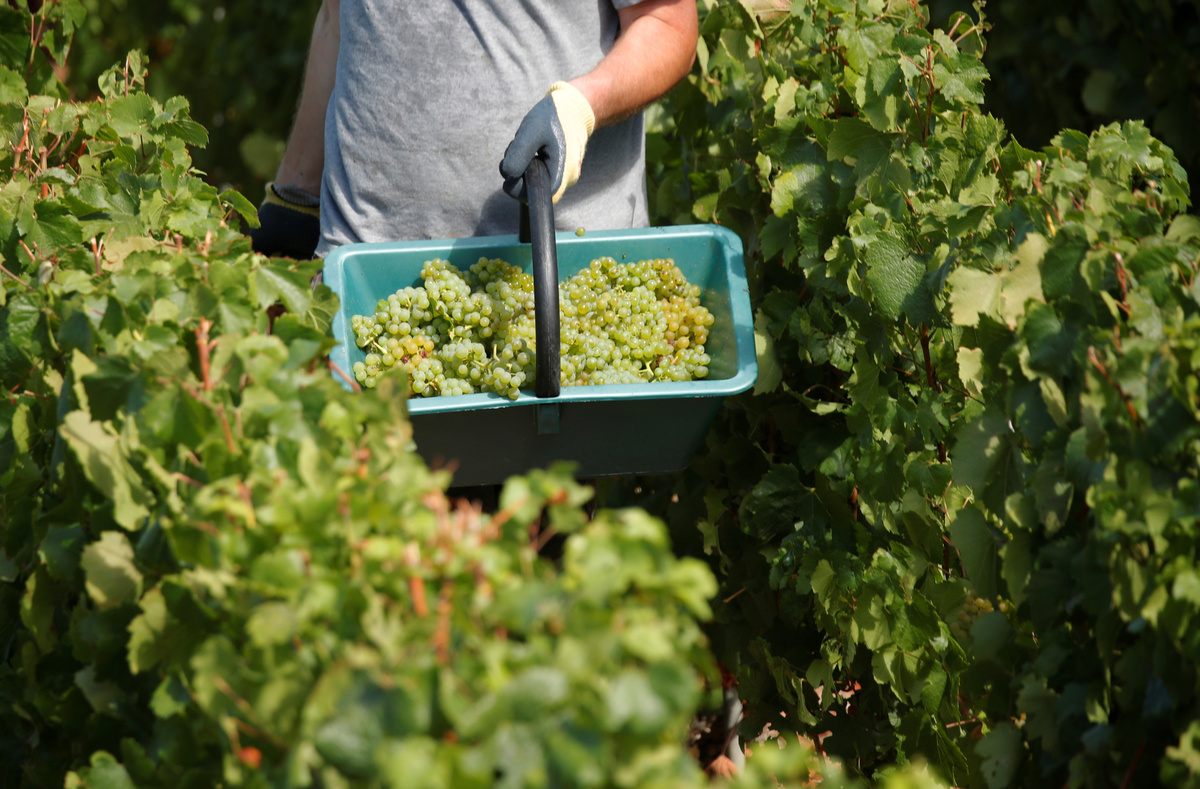
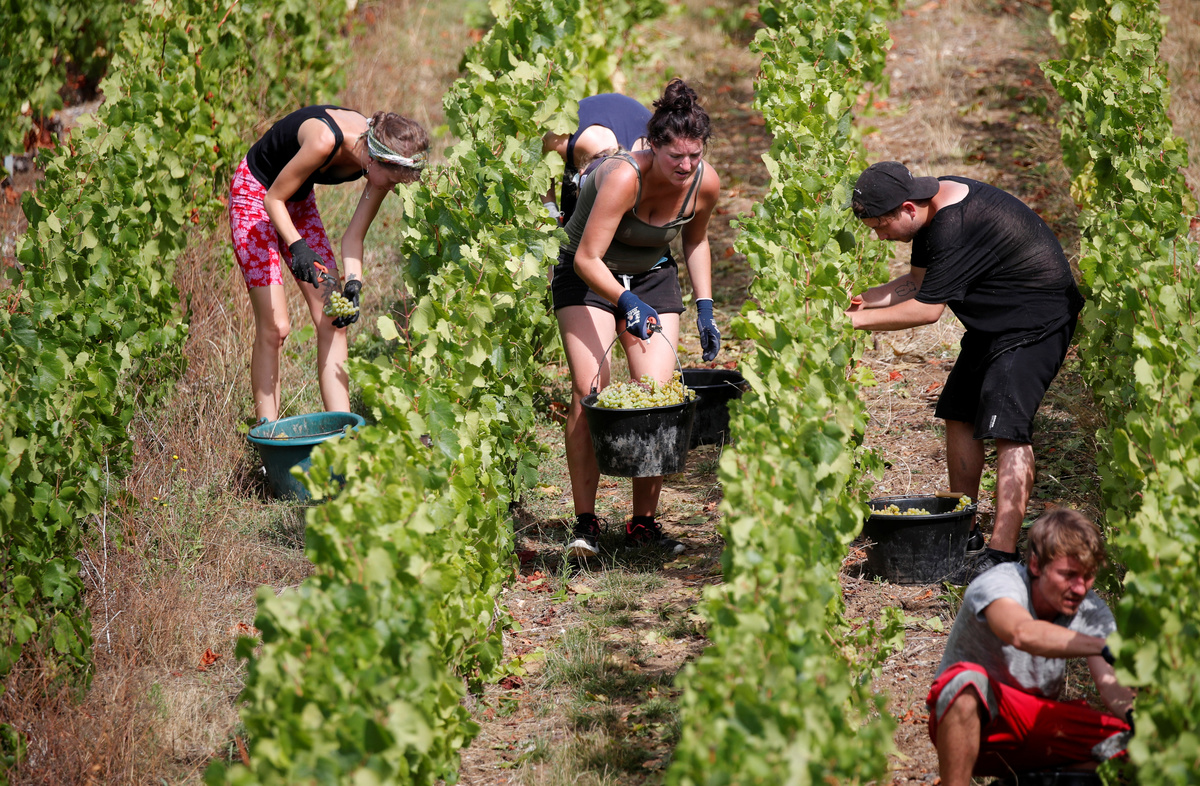
At the Brun de Neuville vineyard collective, to which Leglantier belongs, teams of pickers in baseball caps worked their way along rows of vines, collecting grapes by hand. Most are migrant workers from eastern Europe who come every harvest season.
But this year is different. Sales are sharply down because weddings and parties -- drivers of demand for champagne -- are being cancelled around the world.
In response, French champagne producers decided this month to put a cap on the amount of grapes they send for processing into wine.
They took the decision because a glut of the drink in cellars and on wholesalers' shelves would drive down prices and tarnish the aura of luxury and exclusivity that the industry has spent years building up.
But the cap - limiting the amount of grapes that can be harvested from a hectare to 8,000 kg -- means that anything over that figure must be left to rot.
The quota is one fifth less than last year's harvest and this year, because of hot sunny weather that growers ascribe to climate change, the yield in many vineyards is even more bountiful than usual.
"You could say it's maybe the best of the bad deals we could have reached," Damien Champy, head of the Brun de Neuville vineyard cooperative, said of the quota as he stood in the cellar where bottles of champagne are left to mature.
(Additional reporting by Charles Platiau; Writing by Christian Lowe; Editing by Raissa Kasolowsky)