The indelible mark of Covid-19 continues to shape our existence, years after the official declaration of the pandemic's end. Its legacy is evident in the widespread adoption of remote work, the personal choice of some to wear masks and the enduring presence of hand sanitizer dispensers in public spaces.
However, other ripples run far deeper, often unseen: the profound grief for lost loved ones, the burden of chronic health conditions, and a collective sense of lives interrupted.
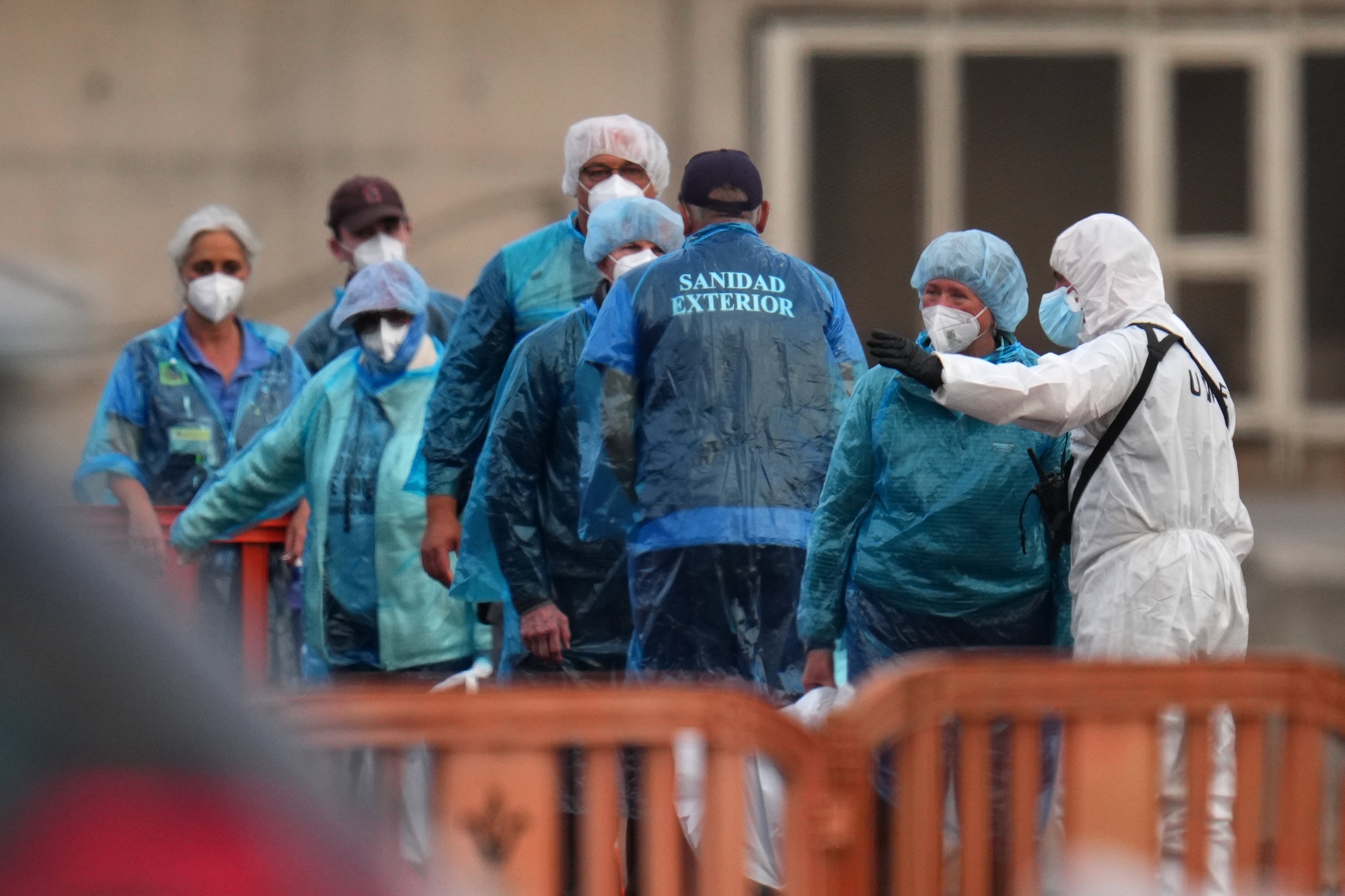
These underlying anxieties recently resurfaced with a rare hantavirus outbreak aboard a cruise ship, igniting a palpable fear that, despite official reassurances, a new health crisis might be unfolding. This flourishing of fear, whether on an individual or societal level, frequently indicates a deeper societal deficit.
Indeed, one of the most entrenched post-pandemic realities is the significant damage inflicted, both within the U.S. and globally, upon the very bonds that many once considered inviolable. Trust in science, confidence in government and the perceived reliability of information itself have all been profoundly eroded, highlighting a lasting fracture in our collective understanding and security.
“COVID undermined our trust in what most of us used to trust,” said Elisa Jayne Bienenstock, a research professor and sociologist at Arizona State University. “When general trust goes down, when there’s a lot of cynicism, who are people looking to, to explain what to do and how the world works?”
What it used to be and what it is now
Before 2020, the outbreak of some illness somewhere didn't usually cause massive concern outside of the specific areas impacted, even as some epidemics caused significant numbers of deaths.
Some of that was complacency in the face of a world where widespread travel wasn't as accessible to the masses as it has become, which was a key part of Covid-19's spread.
In fact, there have been outbreaks of the current strain of hantavirus in some South American countries through the decades, like one in 1997 in Chile. Other countries have had epidemics of a range of illnesses from cholera to dengue to SARS, and the U.S. has seen West Nile, Legionnaire's and more.
But in a post-pandemic world, it didn't take long before questions and concerns surfaced about disease spread in the days immediately following the first reports that three people had died from hantavirus on the ship. Since then, there have been reports of 11 hantavirus cases around the world linked to the cruise, according to the World Health Organization, and that includes the deaths. Lab testing has confirmed eight of the cases.
Health experts have repeatedly emphasized that even though the virus can cause serious illness in those infected, the risk of spread in the general public is low. Despite that, when ship passengers were taken to the Spanish island of Tenerife to disembark, residents like Samantha Aguero were concerned.
“We feel a bit unsafe. We don’t feel as there are 100% security measures in place to welcome it," she said. “This is a virus, after all, and we have lived this during the pandemic.”
Institutions are diminished for many
Bienenstock points to three institutions that have suffered from the public's loss of trust: government, media and science itself. But government officials and journalists were dealing with issues of public mistrust well before the pandemic.
The mistrust of science got ammunition not because scientists were making mistakes in their processes but because nonscientists didn't have the same understanding, she said.
“Most people don’t think of science as a process. In their mind, science is an answer, it’s a fact. And so when those facts showed that they weren’t 100% reliable and assured, it started undermining trust in the science,” she said.
“One of the problems with COVID is it undermined that confidence in science for people who don’t understand how science works. It showed the process. And it showed that scientists don’t always have the answer,” Bienenstock said. “A lot of people in crisis, when they fear things, don’t care what the answer is, as long as there’s a definitive answer. And science doesn’t provide that when it doesn’t know."
Now what?
It's not just about the issue at the forefront of people's attention at the moment. There are ripple effects as well.
“COVID ... didn’t just heighten people’s sensitivity to health threats. It did so unevenly, in ways often disconnected from actual risk,” said Michele Gelfand, professor of organizational behavior at the Stanford Graduate School of Business. “As trust in institutions has weakened, people have lost a key way to navigate uncertainty together. Without trust, people rely more on rumor, fear, and emotion, which can lead them to overreact to small risks and underreact to serious ones.”
Karlynn Morgan, a 76-year-old retired nurse-anesthetist in Winston-Salem, North Carolina, has seen that heightened attention, with more people without a medical or science background talking about health issues than before the pandemic.
She has also been disturbed by the increase in what looks to her like a lack of trust in science, as seen in falling vaccination rates and rising instances of diseases like measles.
“I think people are far less trusting because people used to take their children and just get the vaccine," she said. "When I was a kid, there was no question you were going to go get your shot.”
If trust is going to be rebuilt, Gelfand said in an email, then leaders have to get involved.
“They set the threat signal. They determine whether people get accurate information about the level of danger or distorted information that serves a political agenda. When leaders send clear, honest signals, people can calibrate in the face of threat. When leaders manipulate threat for their own purposes, norms erode and and trust collapses,” Gelfand said.
“Strong, reliable institutions have historically been our superpower as a society. They’re what allow millions of people to coordinate under uncertainty without knowing each other personally," she said. "Without that institutional backbone, we lose the very capacity for collective action that has helped human groups survive for millennia.”
Hantavirus has people worried, but these outbreaks could become even more common
CDC increases staff working on hantavirus outbreak from 3 to 100: report
Doctor who helped ship take care of passengers with hantavirus is isolated in Nebraska medical unit
Crucial progress to stop women and babies dying in childbirth is now in reverse
‘Healthy’ student dies from rare brain abcess hours after doctor sent him home
New stomach cancer drug approved in ‘first major advance’ in treatment in a decade