Hanfu movement sweeps China in revival of traditional culture
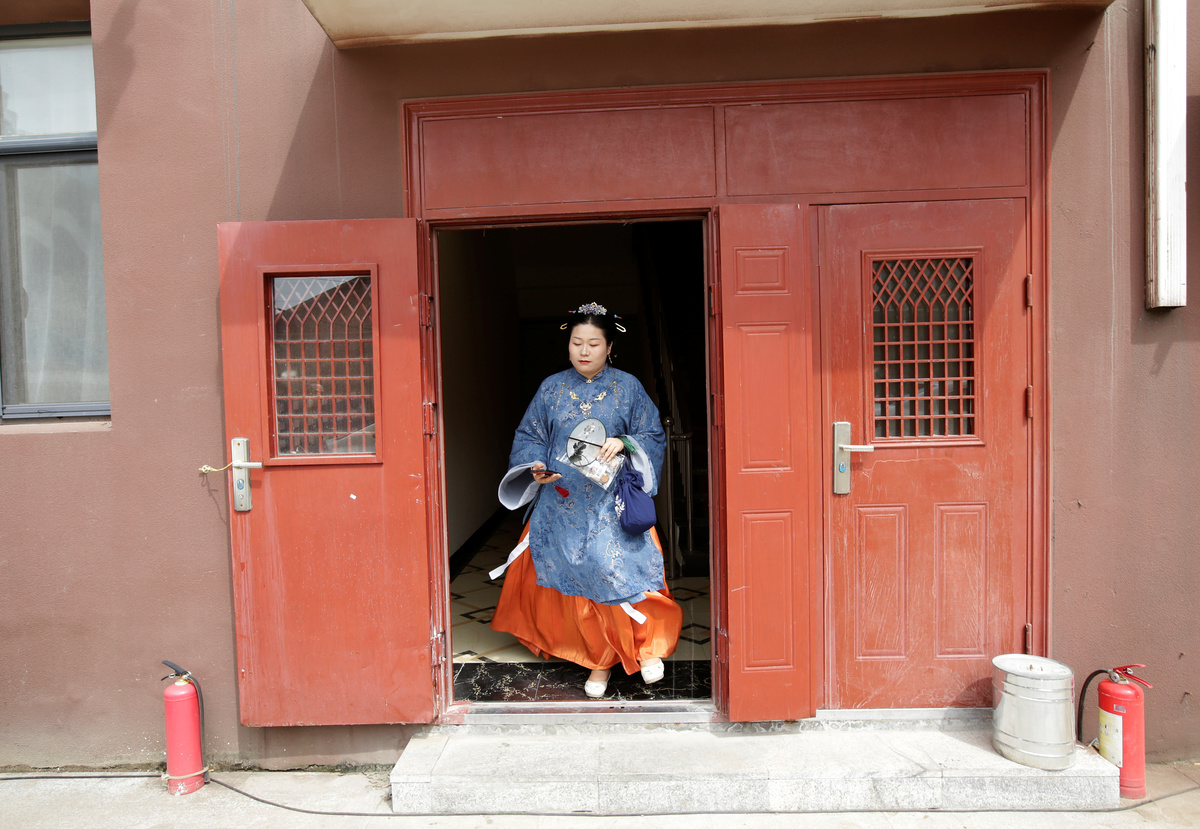
Li Doudou, dressed in "Hanfu", or Han clothing, leaves an apartment block for a performance of the "guqin" traditional musical instrument, an ancient seven-stringed zither, in Hebei province, China, August 18, 2019. REUTERS/Jason Lee
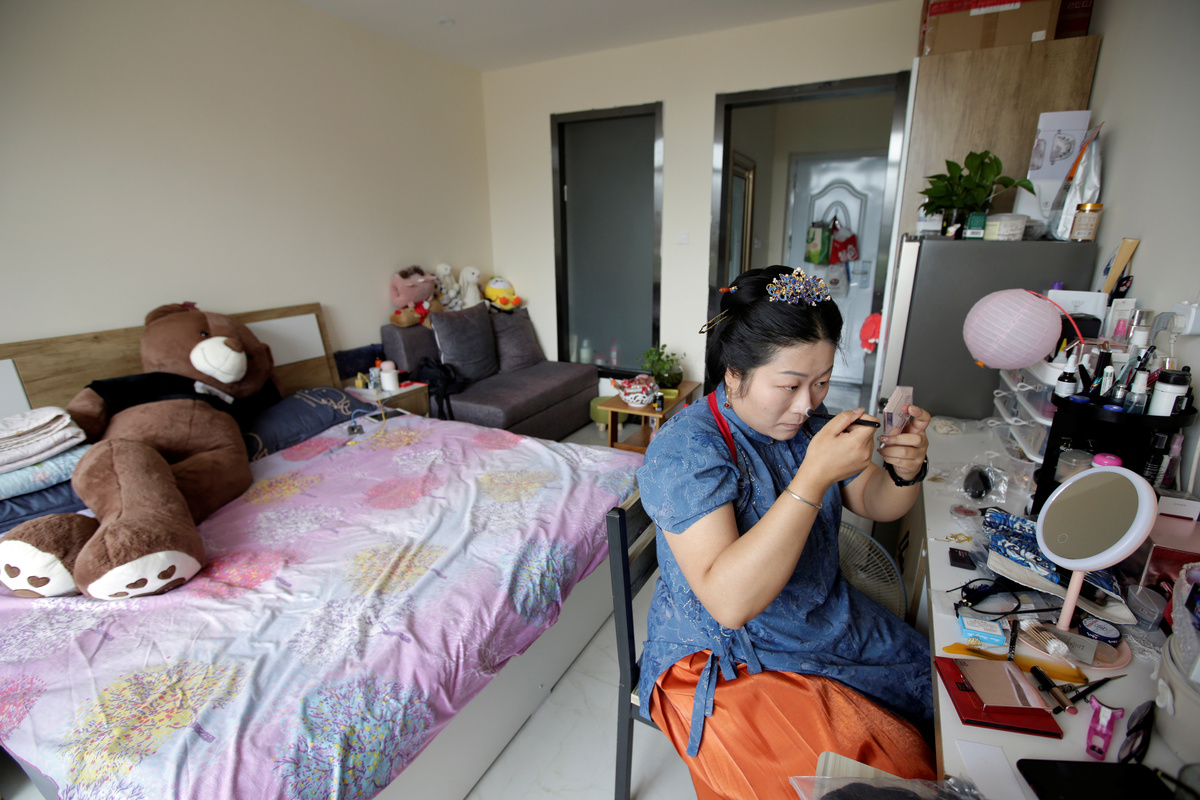
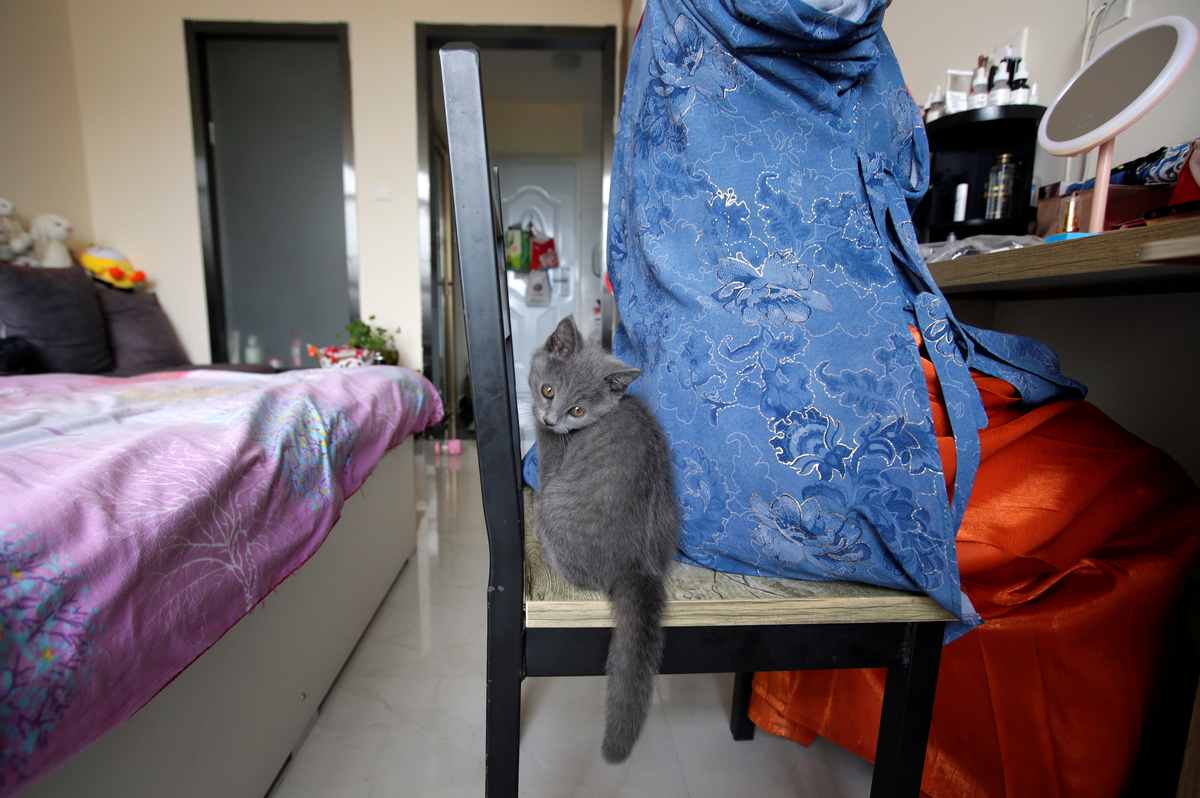
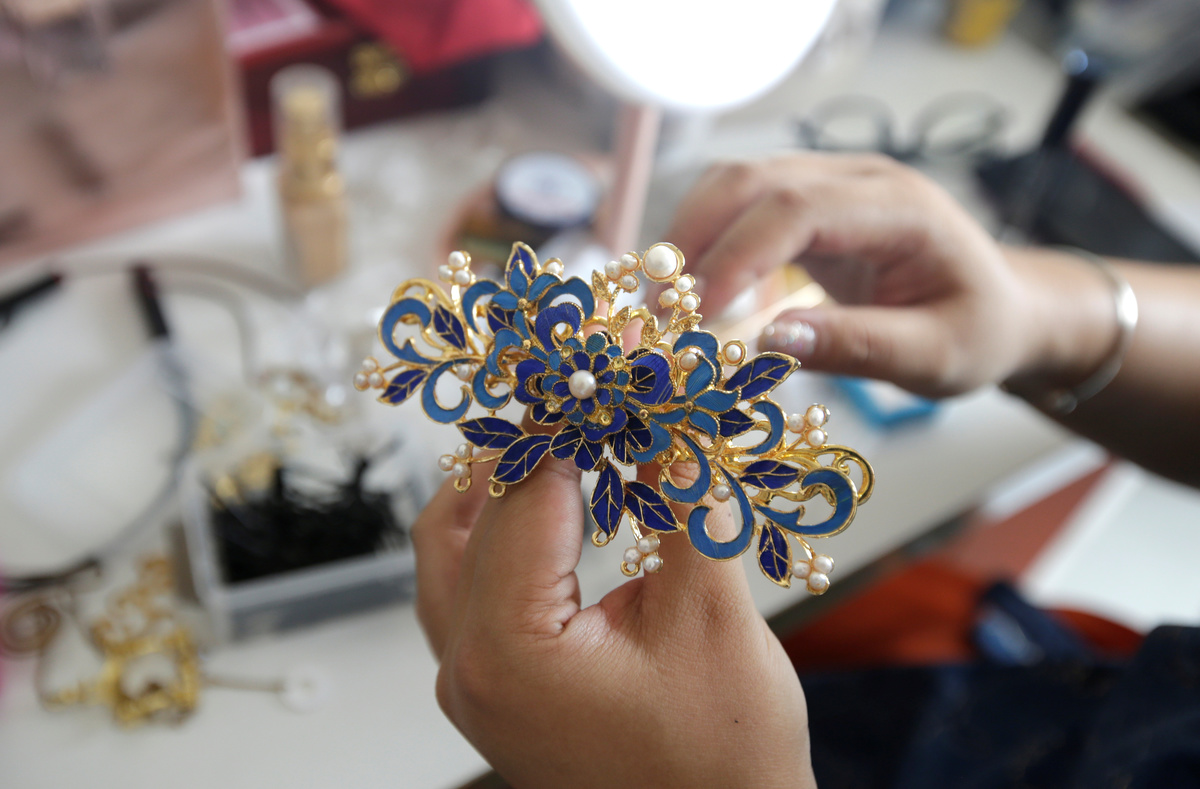
BEIJING (Reuters) - Li Doudou's gray kitten squeezes in next to her as she sits painstakingly applying makeup and putting up her hair in a bun adorned with elaborate ornaments.
Looking like she has just stepped off the set of a Chinese historical drama, the 26-year-old property appraiser is wearing a long Ming dynasty-style blue tunic with sweeping sleeves and a flower design outlined in gold and silver thread, paired with a flowing, bright orange skirt.
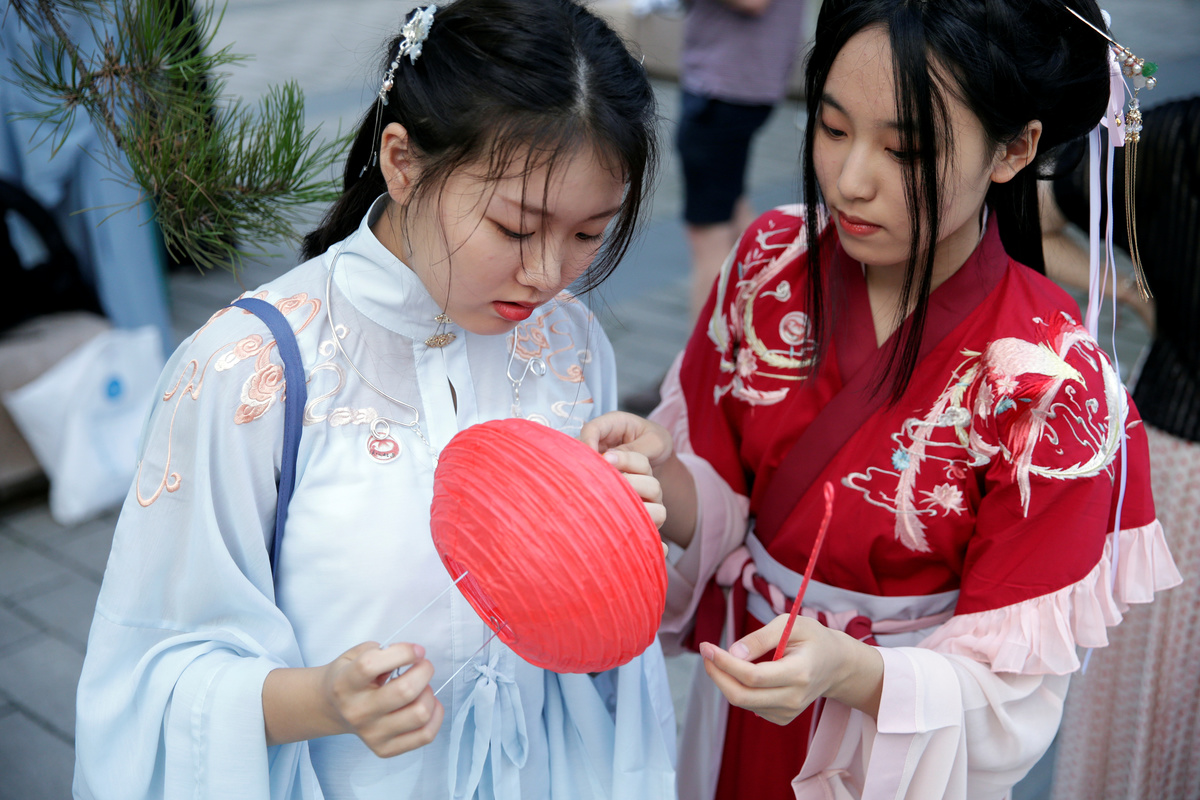
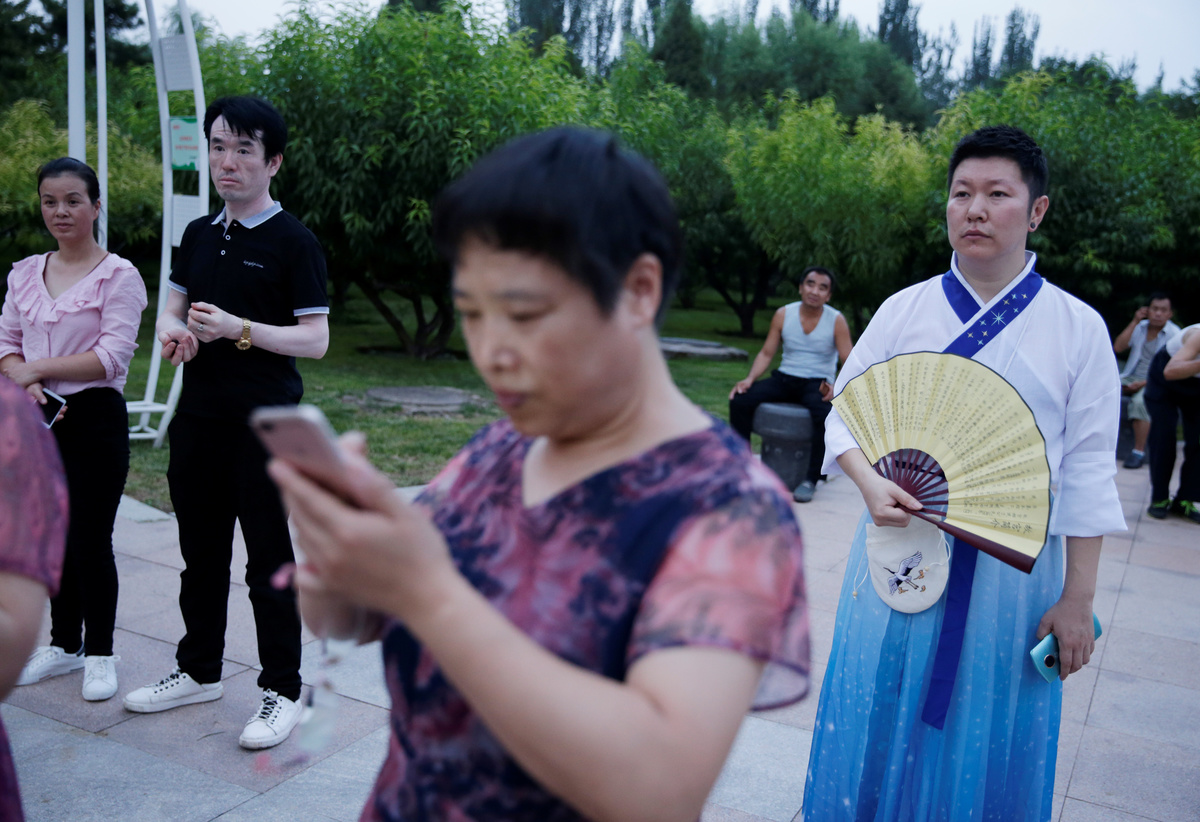
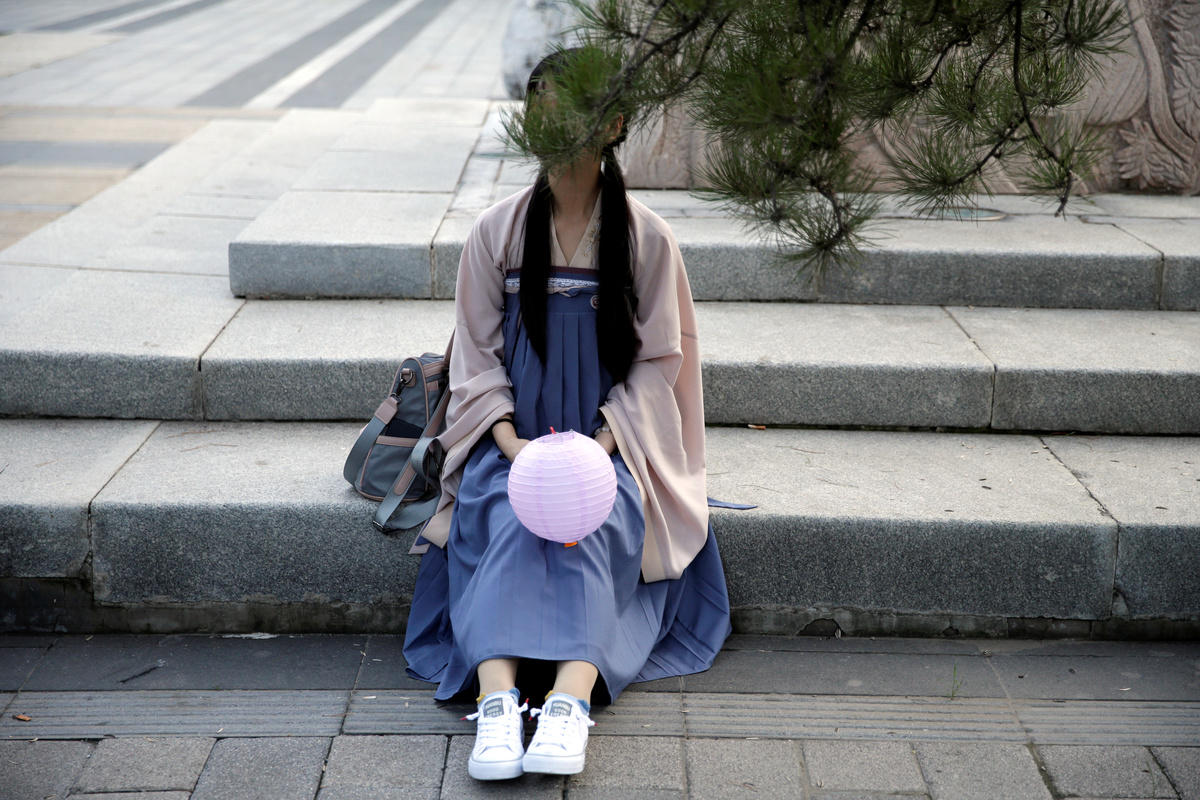
Girls dressed in "Hanfu", or Han clothing, prepare for an event to mark the traditional Qixi festival, the Chinese equivalent of Valentine's Day, at a park in Beijing, China, August 7, 2019. REUTERS/Jason Lee
Li, who lives in Hebei province in northeast China, is a devotee of the Hanfu movement, which has spanned a decade and in the last year has seen a spike in followers, partly thanks to social media.
Chinese for 'Han clothing', "Hanfu" is based on the idea of donning costumes worn in bygone eras by China's dominant Han ethnicity. Some of the most popular styles are from the Ming, Song and Tang dynasties.
Hanfu enthusiasts doubled to two million in 2018 from a year earlier, according to a survey by Hanfu Zixun, a popular community account on the Wechat social media platform.
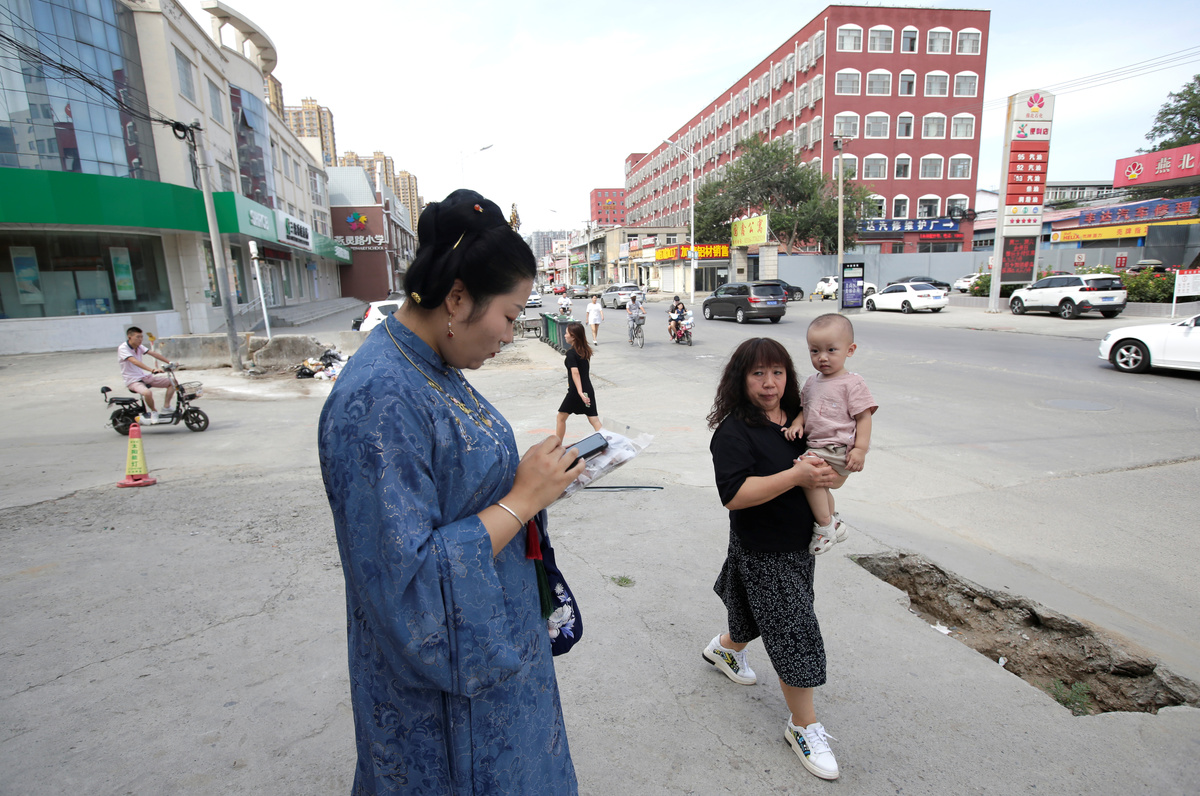
A woman and a boy look at Li Doudou dressed in "Hanfu", or Han clothing, as she waits for a taxi to attend a performance of the "guqin" traditional musical instrument, an ancient seven-stringed zither, in Hebei province, China, August 18, 2019. REUTERS/Jason Lee
"Everyone wants to share what is beautiful, and has spread the word via platforms like Little Red Book, Weibo and Wechat," said Dai, who only gave her last name, a public relations manager at Chong Hui Han Tang, a 13-year-old national chain of Han clothing stores.
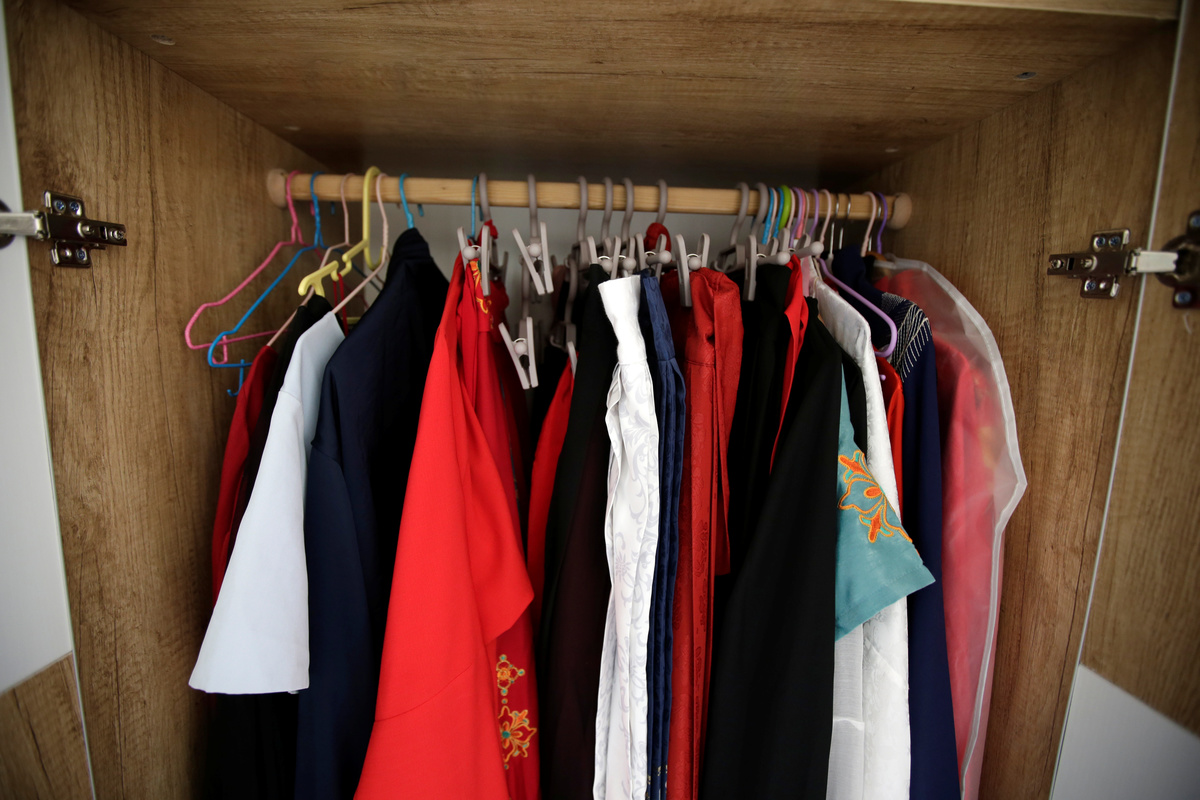
Li donned her first gown in March and has lost count of the Hanfu outfits in her wardrobe, she says.
Li was inspired to buy Hanfu by an account dubbed Nanzhi999, which has 1.1 million followers on the Douyin short video social media platform. A tall slim man posts videos on this account in which he is dramatically transformed into a beautiful young woman in traditional Chinese gowns.
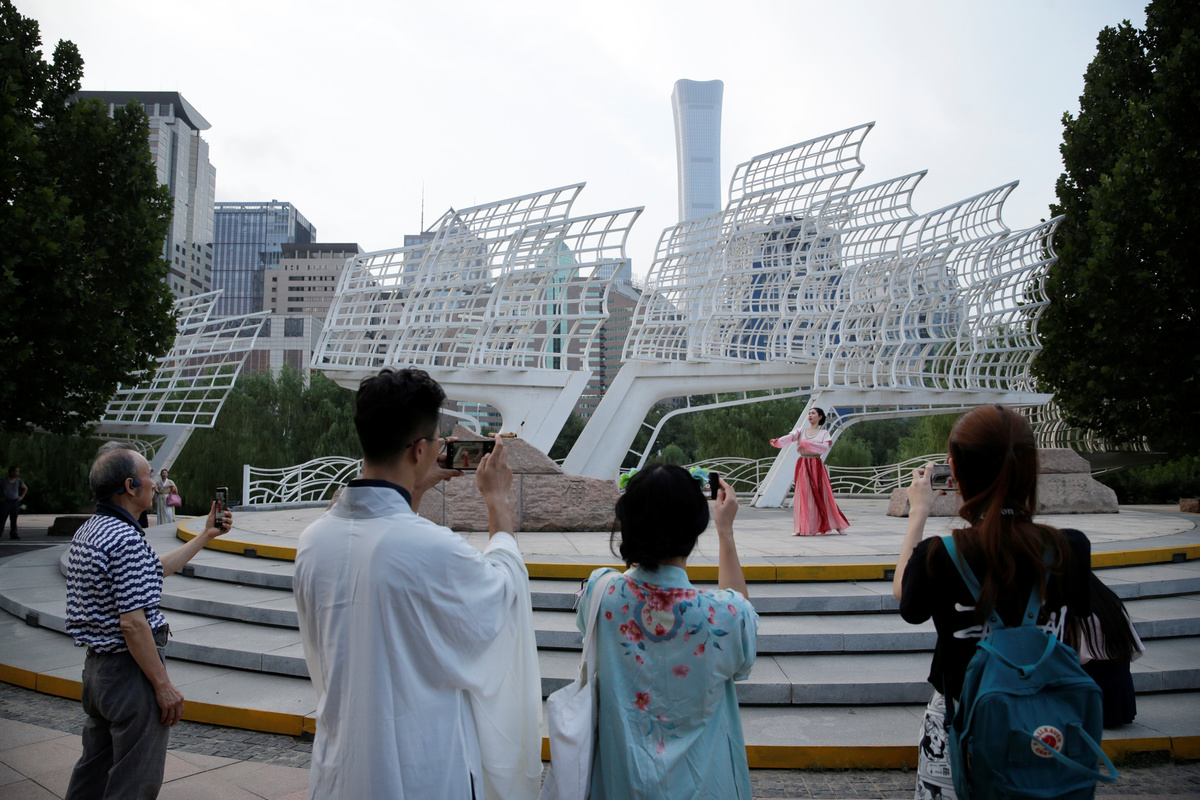
People use mobile devices to record a girl dressed in "Hanfu", or Han clothing, dancing at an event marking the traditional Qixi festival, the Chinese equivalent of Valentine's Day, at a park in Beijing's central business area, China, August 7, 2019. REUTERS/Jason Lee
Many Hanfu followers like the clothes for the fashion statement, but some, Li included, say its significance is greater.
"It's to propagate China's traditional culture," said another girl, who only gave her surname, Li, at an event to mark Chinese Valentine's Day in Beijing last month.
Those who have studied Hanfu say the movement is a mix of history and fantasy, said Kevin Carrico, author of "The Great Han".
Li Doudou's "Hanfu", or Han clothing, are seen in a wardrobe at her rental home in Hebei province, China, August 18, 2019. REUTERS/Jason Lee
"It's very much taking a modern concept and projecting it into the past," he said.
Hanfu practitioners say they are apolitical, although they point to instances where Hanfu gets support from the government.
The Communist Youth League organized a Chinese National Costume Day for the first time last year urging people to share their ethnic outfits online. Hanfu also aligns with President Xi Jinping's call to promote traditional Chinese values.
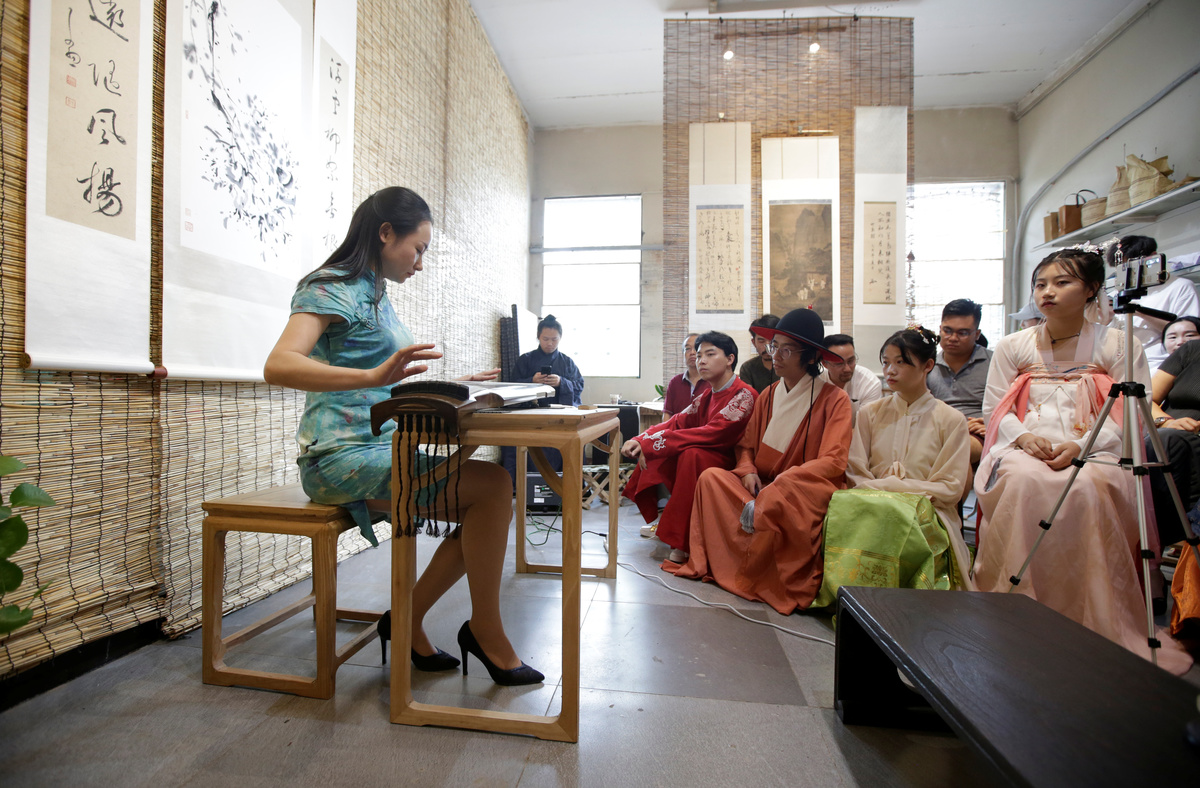
Young people dressed in "Hanfu", or Han clothing, attend a performance of the "guqin" traditional musical instrument, an ancient seven-stringed zither, at an art space in Beijing, China, August 18, 2019. REUTERS/Jason Lee
What keeps people reaching for their Hanfu outfits is often more personal.
Since starting to wear Hanfu, Li Doudou said she has attended a class on traditional tea ceremonies. She is also planning to learn to play the "guqin", an ancient seven-stringed zither.
"The biggest change for me personally is it gives me more self-confidence," she said. "When I wear Hanfu, I feel like I'm the most beautiful person in the world."
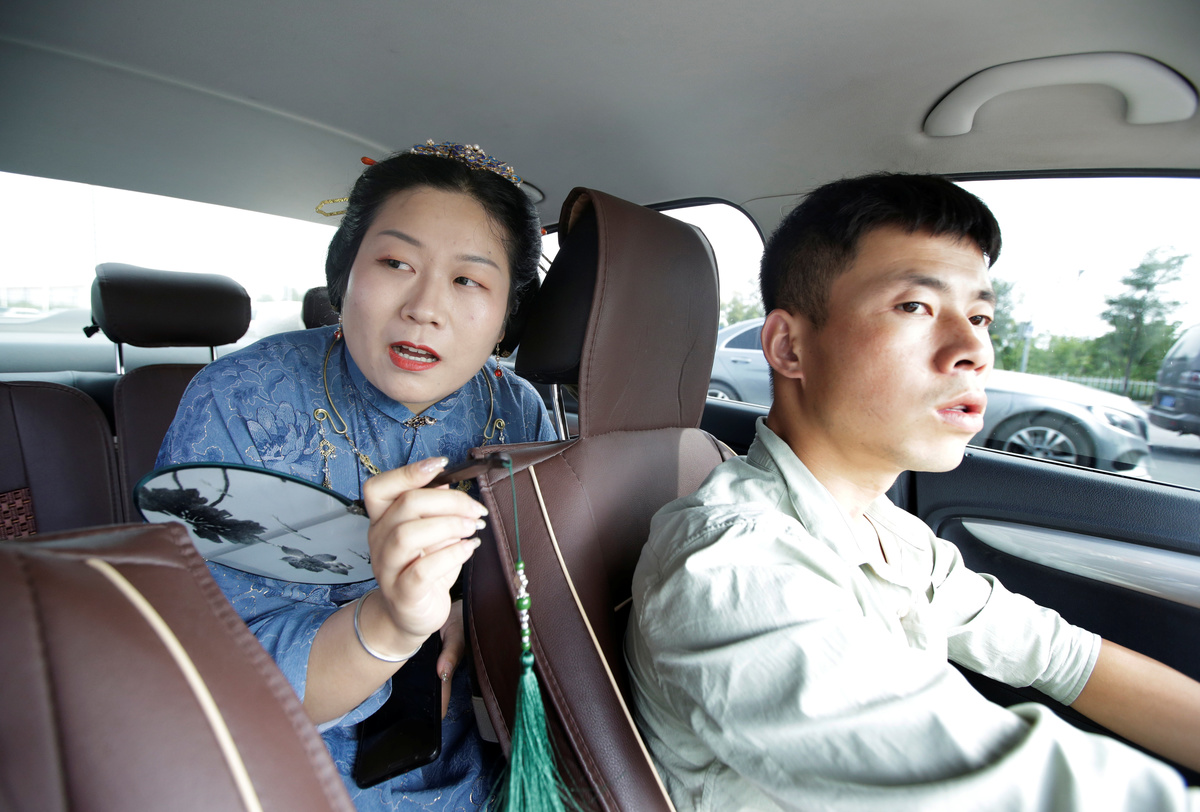
Li Doudou, dressed in "Hanfu", or Han clothing, speaks to a taxi driver on her way to attend a performance of the "guqin" traditional musical instrument, an ancient seven-stringed zither, in Beijing, China, August 18, 2019. REUTERS/Jason Lee
(Reporting by Huizhong Wu; Editing by Karishma Singh and Neil Fullick)
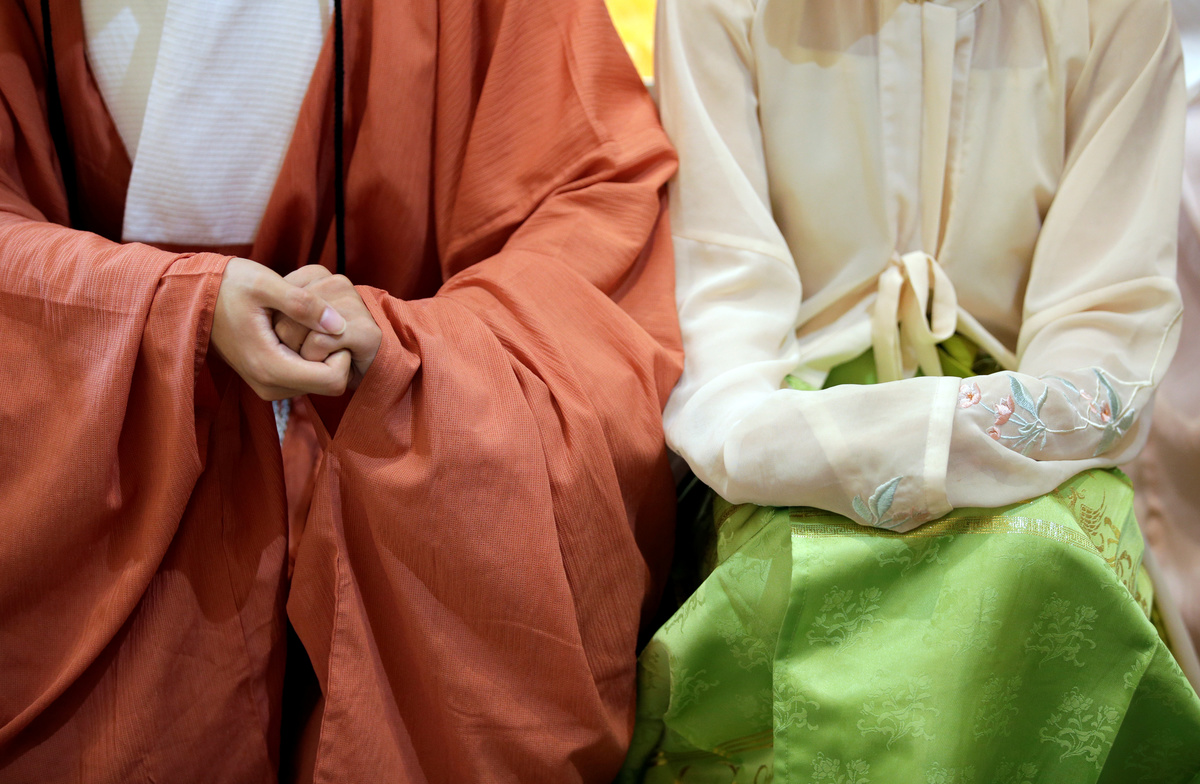
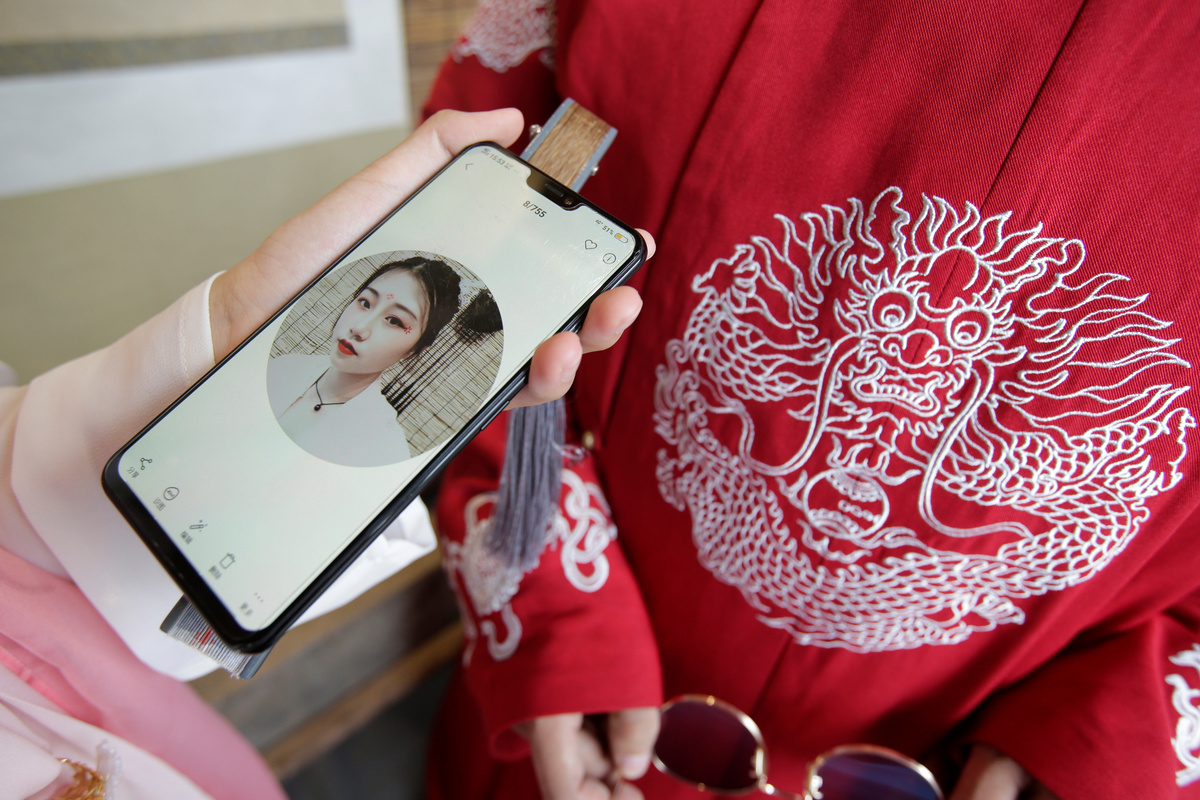
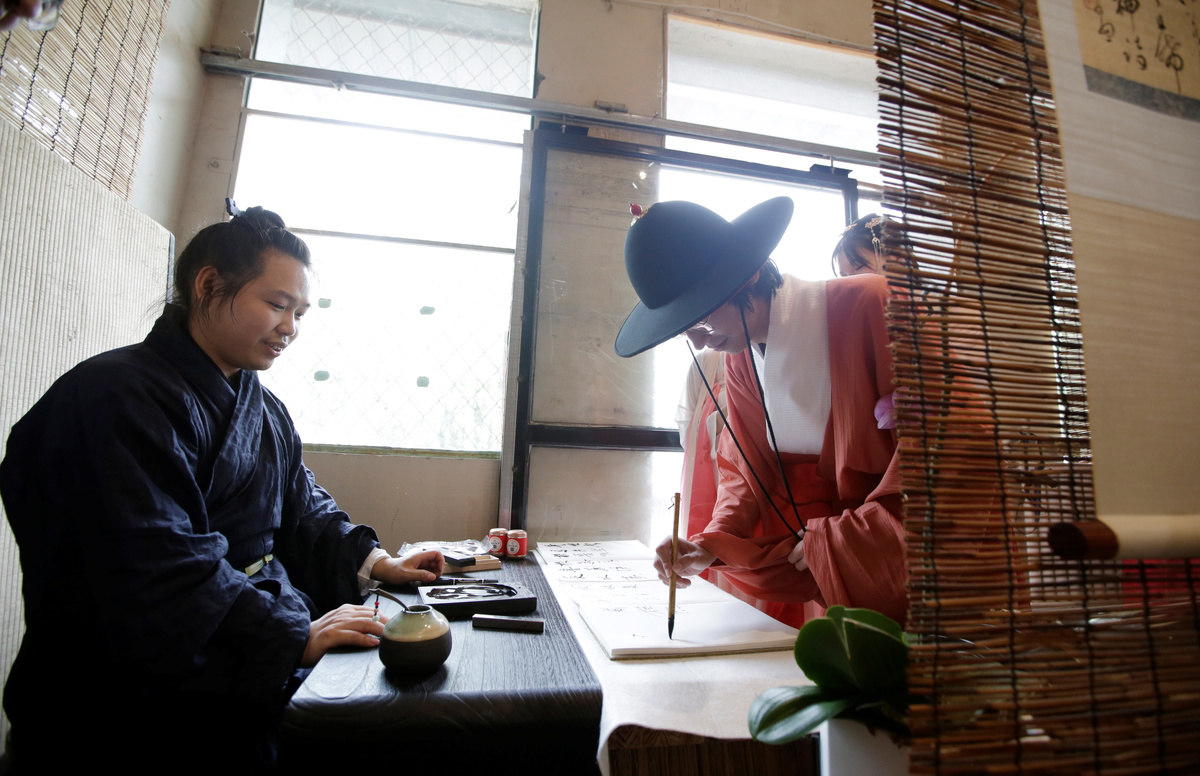
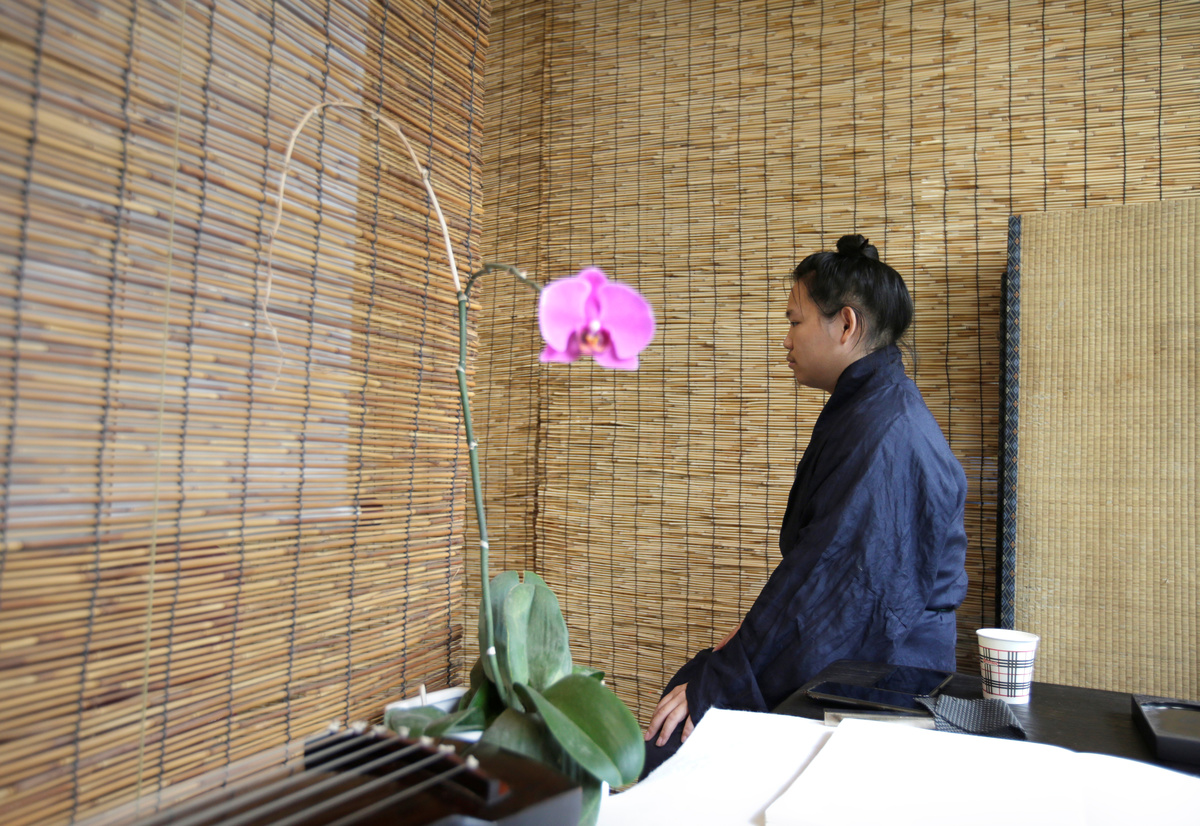
Hai Zhaohang (L) and Zhao Xueqin dressed in "Hanfu", or Han clothing, attend a performance of the "guqin" traditional musical instrument, an ancient seven-stringed zither, in Beijing, China, August 18, 2019. REUTERS/Jason LeeLu Xiaowei shows a selfie taken while she was dressed in "Hanfu", or Han clothing, in Beijing, China, August 18, 2019. REUTERS/Jason LeeHai Zhaohang dressed in "Hanfu", or Han clothing, signs a guestbook as he arrives to attend a performance of the "guqin" traditional musical instrument, an ancient seven-stringed zither, in Beijing, China, August 18, 2019. REUTERS/Jason LeeTraditional musician Zhang Chun prepares to perform the "guqin", an ancient seven-stringed zither, at an art space in Beijing, China, August 18, 2019. REUTERS/Jason LeeA woman's traditional shoes are seen as she attends a performance of the "guqin" traditional musical instrument, an ancient seven-stringed zither, at an art space in Beijing, China, August 18, 2019. REUTERS/Jason LeeLi Doudou applies makeup before attending a performance of the "guqin" traditional musical instrument, an ancient seven-stringed zither, at her rental home in Hebei province, China, August 18, 2019. REUTERS/Jason LeeA cat sits next to Li Doudou as she gets ready to attend a performance of the "guqin" traditional musical instrument, an ancient seven-stringed zither, at her rental home in Hebei province, China, August 18, 2019. REUTERS/Jason LeeLi Doudou holds a hair ornament as she gets ready to attend a performance of the "guqin" traditional musical instrument, an ancient seven-stringed zither, at her rental home in Hebei province, China, August 18, 2019. REUTERS/Jason LeeYoung people dressed in "Hanfu", or Han clothing, use their mobile devices at an event marking the traditional Qixi festival, the Chinese equivalent of Valentine's Day, at a park in Beijing, China, August 7, 2019. REUTERS/Jason LeeA man dressed in "Hanfu", or Han clothing, stands next to residents at an event held to mark the traditional Qixi festival, the Chinese equivalent of Valentine's Day, at a park in Beijing, China, August 7, 2019. REUTERS/Jason LeeA girl dressed in "Hanfu", or Han clothing, sits on a step as she waits to attend an event marking the traditional Qixi festival, the Chinese equivalent of Valentine's Day, at a park in Beijing, China, August 7, 2019. REUTERS/Jason Lee
Sign up to read this article
Read news from 100’s of titles, curated specifically for you.