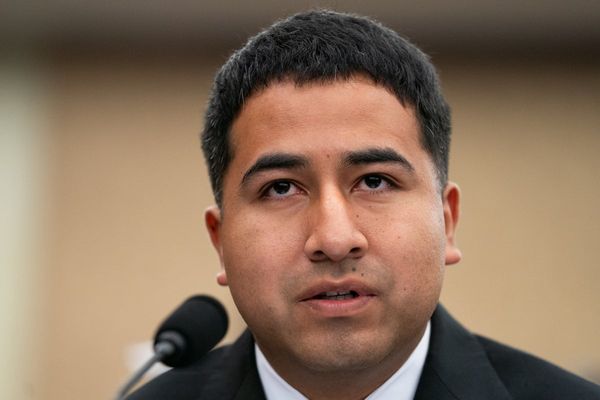
Deputy Prime Minister Wissanu Krea-ngam said he disagrees with a proposal to give state agencies more investigative powers under plans for judicial procedure reform.
Mr Wissanu, who is in charge of the government's legal affairs, met Constitution Drafting Commission chairman Meechai Ruchupan, National Legislative Assembly president Pornpetch Wichitcholchai and chairman of the Justice System Reform Committee Atchaporn Charuchinda yesterday to discuss judicial procedure reform.
He said several law enforcement agencies want to have their own investigation and prosecution authority which now rests mainly with the police. For example, the Excise Department wants to to be able to launch their own investigations while the Anti-Money Laundering Office and the Office of Public Sector Anti-Corruption Commission want the ability to start their own prosecutions.
But Mr Wissanu said he personally disagreed with handing down such powers. Reform of the justice system requires thorough discussion covering procedures under criminal, civil and administrative laws, he said.
Previously, the Justice System Reform Committee agreed to push for the decentralisation of the Royal Thai Police at three levels -- personnel management, budget management, and management of police services.
Its sub-panels are finalising details of a decentralisation bill and disbanding the National Police Policy Committee, as a result of the decentralisation effort.
Meanwhile, civic groups have sought further decentralisation of police investigation power as well.
The committee yesterday decided to set up an independent committee to speed up handling of the 3,100 complaints filed with the police's Office of Inspector-General (OIG) over the past two years.
Manij Suksomjit, chairman of the sub-committee on social communication under the judicial procedure reform committee, said the new committee will consist of nine members, namely the OIG chief, two police general inspectors and six specialists. Members will have a five-year tenure.
Of the six specialist members, four will be non-police with sound knowledge and experience in the judicial system and of the law, while the other two members will be former police officials who have at least two years of experience in an executive position, he said.
The OIG is capable of handling only about 50 complaints a year, which means help from the committee is needed, said Mr Manij.
The committee had also discussed plans to make the OIG an independent body rather than an agency under the Royal Thai Police as it currently is, he said.